Incredible Unforgettable Sea Captain
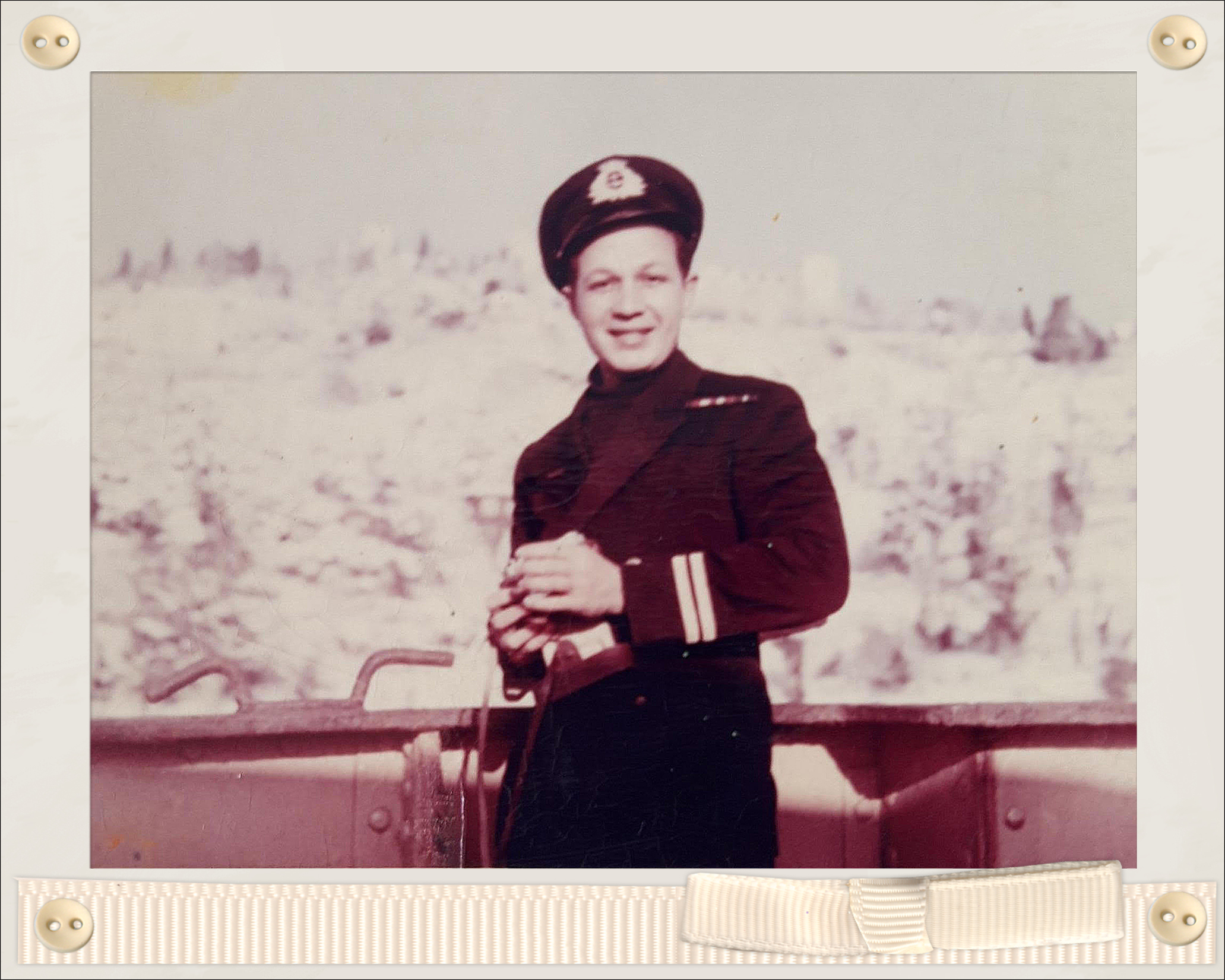
Capt.Abdus Salam Khan
A deeper look into the life, maritime career, and literary contributions of Captain Abdus Salam Khan
Captain Abdus Salam Khan (December 19, 1926 – September 27, 2016) was a Pakistani sea captain and former officer with the Pakistan National Shipping Corporation (PNSC).
Key Details of His Life and Career
- Early Career & 1971 War: He worked in Khulna until the 1971 civil war and the independence of Bangladesh forced him to flee with his family.
- PNSC Tenure: He moved to West Pakistan and served as a captain with the Pakistan National Shipping Corporation from 1970 to 1974.
- Union Leadership: Soon after joining PNSC, he was elected President of the Sea-going Officers Association, holding the role until 1974.
- Later Career: In 1974, he left PNSC to work as a sea captain for Arya National Shipping Lines in Iran.
Extended Maritime History
Before his time with the Pakistan National Shipping Corporation (PNSC), Captain Abdus Salam Khan built a robust maritime career in East Pakistan (now Bangladesh):
- Pak Bay Company (1957): He served as a Marine Officer in Narayanganj, commanding a massive operation that oversaw more than 200 large and small cargo ships and a workforce of 1,200 personnel.
- Pussur River Pilot (1961–1971): He was appointed by the Government of Pakistan as a river pilot based in Khulna. His highly specialized job involved safely navigating massive global cargo vessels along a treacherous 70 km stretch of the Pussur River—guiding them from Hiran Point in the Sundarbans mangrove forests up to Mongla Port.
- Transition to Iran (1974): After leaving the PNSC, he moved to Arya National Shipping Lines in Iran. At the time, the upper echelons of Iranian shipping were heavily dominated by European captains. Captain Khan notably petitioned the corporate headquarters in Tehran to review this policy, advocating for and successfully hiring senior ship crew from Iran and the Indo-Pak subcontinent.
Leadership in the Sea-Going Officers Association
 Upon joining the PNSC, his peers quickly elected him President of the Sea-going Officers Association. During his tenure (1970–1974), he acted as a vital bridge between the mariners and corporate leadership. He was widely known for leveraging his union position to push back against discriminatory hiring and operational practices, advocating for better labour standards, fair wages, and professional equity for local officers.
Literary & Translation Work
Captain Khan was an avid writer and skilled translator who inherited a strong command of the English language from his father.
- Religious Translations: As a dedicated member of his community, he focused heavily on translating complex, high-level literary Urdu theological texts into English. Most notably, he effortlessly translated books by Hazrat Mirza Ghulam Ahmad, such as Tiryaq-ul-Quloob (Antidote of the Hearts). [1]
- Biographical Accounts: He authored comprehensive historical and biographical accounts, including documented pieces on prominent figures such as Hazrat Maulana Muhammad Yaqub Khan Sahib.
Captain Abdus Salam Khan (born 1927), also known as ”Chamoo Bhai” or ”Captain Sahib,” was a Mariner and officer who served in the British Royal Indian Navy and later in the Merchant Navy.
- Early Life and Military Service: Born in 1927, he joined the Indian Navy during the British Raj and travelled to England around 1945 for his service.
- Merchant Navy Career: In 1948, he transitioned to the Merchant Navy in Karachi, Pakistan, spending significant time working in Iran before returning to Pakistan.
- Later Work in East Pakistan: He sailed with a Pakistani shipping company and spent a major portion of his career based in East Pakistan.
- Literary Pursuits: Known for his sharp memory and love for literature, he was well-versed in English, Urdu, and Persian poetry, later spending his retirement translating various Urdu books into English using a typewriter and computer.
- Captain Abdus Salam Khan’s life was defined by intense maritime operations, major regional political shifts, and a deeply cultured personal life.
Here is an overview of his background, travels, and maritime experiences according to historical records compiled by The Al-Ahmadiyya Movement:
Adventures in Iran and the Departure of the Shah
After serving in the British Royal Indian Navy during World War II, Captain Khan shifted to civilian maritime operations. In 1948, he joined the Merchant Navy in Karachi.
-
- The Iran Years: He spent a significant and remarkable portion of his early Merchant Navy career working in Iran.
- Political Evacuation: His time in Iran came to an abrupt end due to the geopolitical upheaval of the Iranian Revolution. Following the departure of the Shah of Iran (Mohammad Reza Pahlavi) in 1979, the political landscape shifted drastically, forcing Captain Khan to leave Iran and return permanently to Pakistan.
Operations in East Pakistan
Upon his return to Pakistan, he joined a prominent Pakistani shipping company.
-
- During this phase of his career, he was primarily stationed in and navigating the waters of East Pakistan (now Bangladesh).
- Family records note that navigating these volatile waters during periods of regional conflict involved several ”nerve-racking adventures” that tested his courage and maritime skills.
Family & ”Chamoo Bhai”
Within his family, he was affectionately nicknamed ”Chamoo Bhai,” while his colleagues and peers universally respected him as ”Captain Sahib”. He was widely celebrated by his loved ones for his sharp intellect and incredible memory.
Transition to Literature and Technology
In his later years and retirement, Captain Khan transitioned from commanding ships to intellectual pursuits. He possessed a deep passion for English, Urdu, and Persian poetry. He dedicated his post-sea life to translating vast volumes of Urdu literature into English. Remarkably, he adapted seamlessly to changing times—manually typing hundreds of pages on a traditional mechanical typewriter before later teaching himself to use a computer to continue his translation work.
- Key Figures and Contemporaries from the Era
Captain Khan’s generation included notable figures who shaped both military strategy and civilian leadership during these transitions:
-
- Lieutenant Colonel M. Aslam Khan
Captain Khan’s elder brother, who served prominently in the Pakistan Armed Forces, reflecting a family heavily embedded in early Pakistani defense and service.
-
- Admiral Mohammad Shariff: A key contemporary who later became the Admiral of the Pakistan Navy. He testified heavily on the lack of central coordination and strategic military role given to naval and merchant assets during the 1971 deployment in East Pakistan.
- Vice Admiral Muzaffar Hasan: The Commander-in-Chief of the Pakistan Navy during the buildup to the 1971 war, tasked with trying to protect civilian maritime trade routes against overwhelming naval blockades
Source: AI
S.Ahmad (Sweden)