A Life Of Building Bridges Between The Western And Islamic Worlds
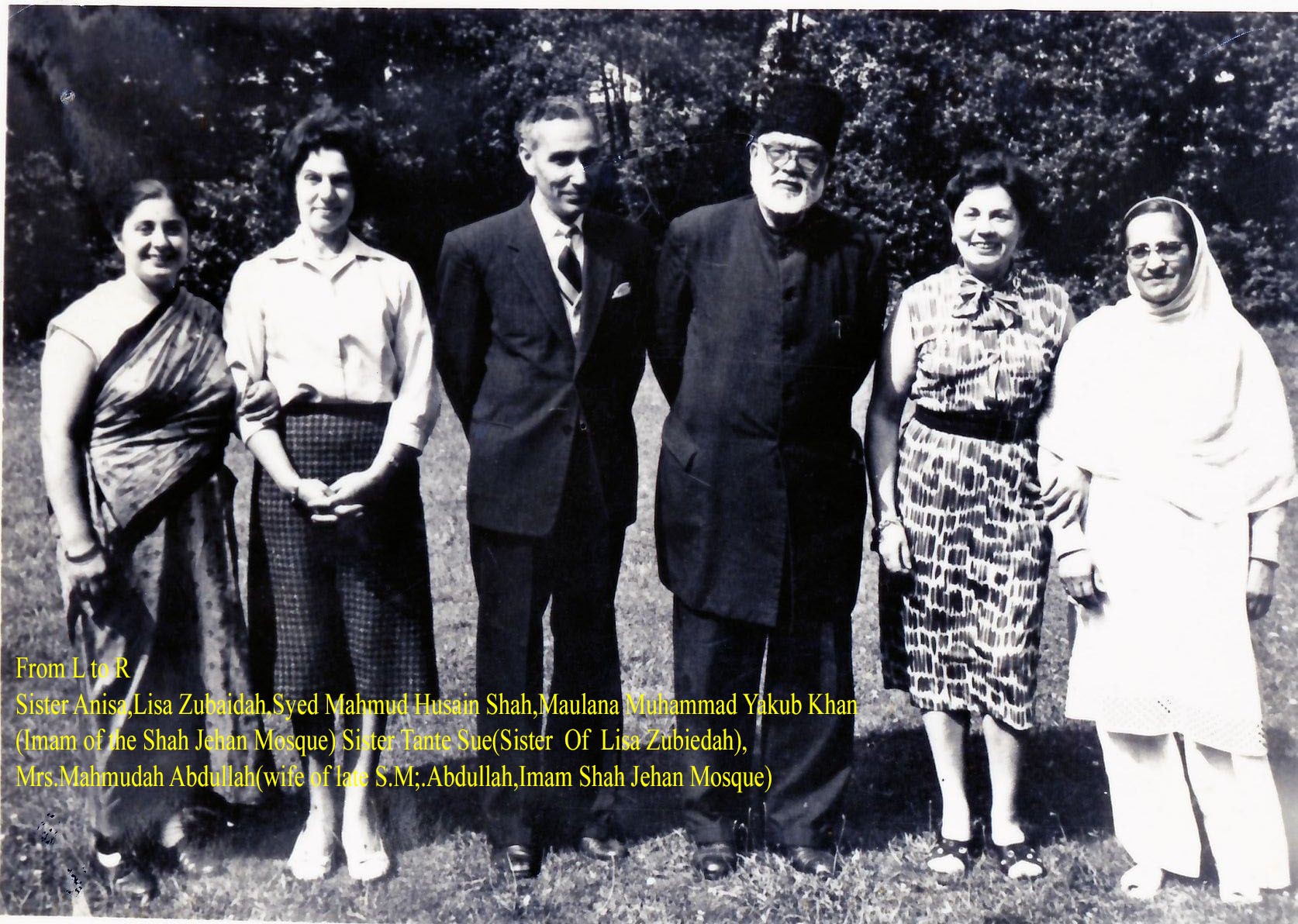
Imam, The Woking Mosque with visiting dignitaries
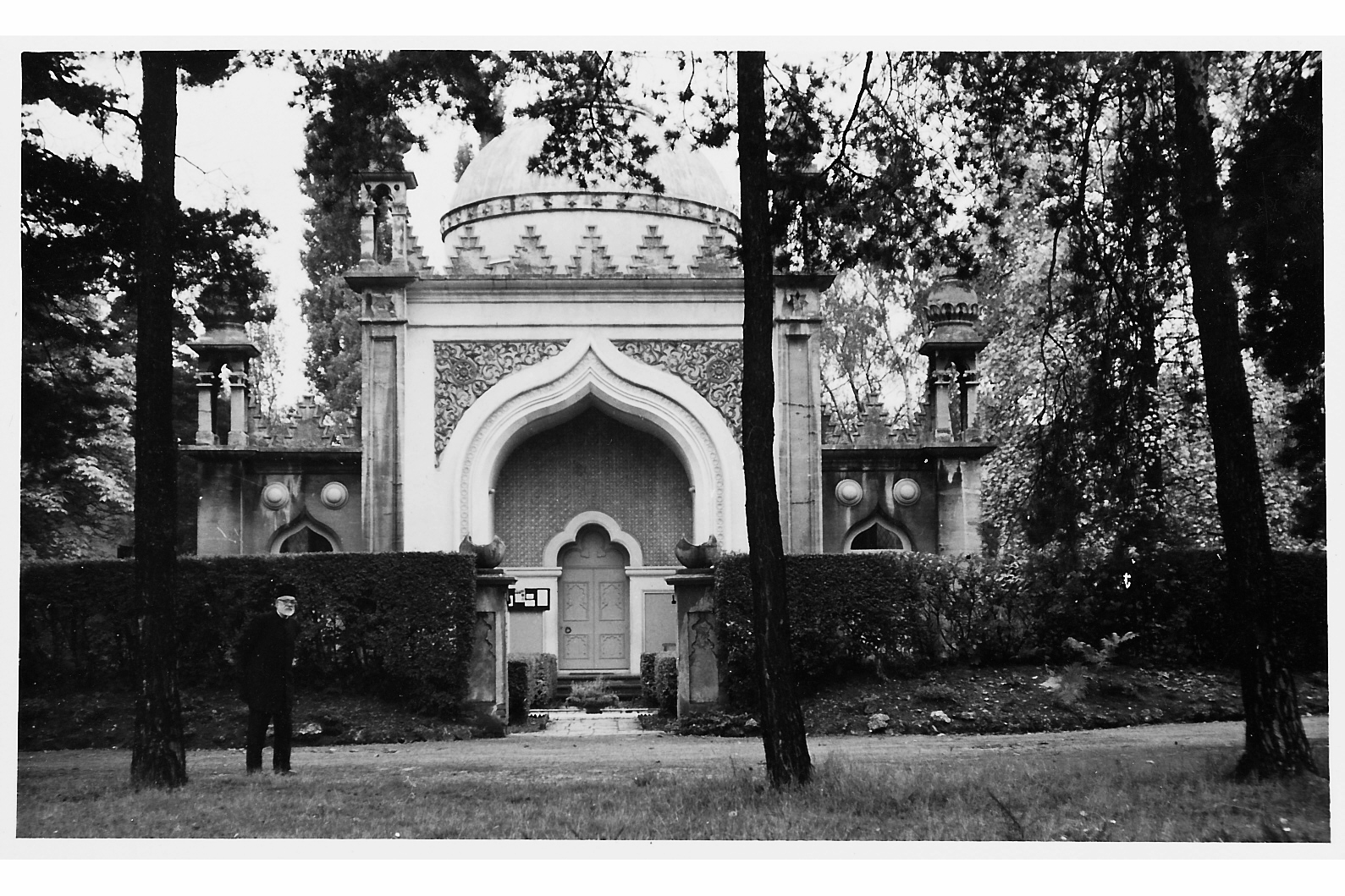
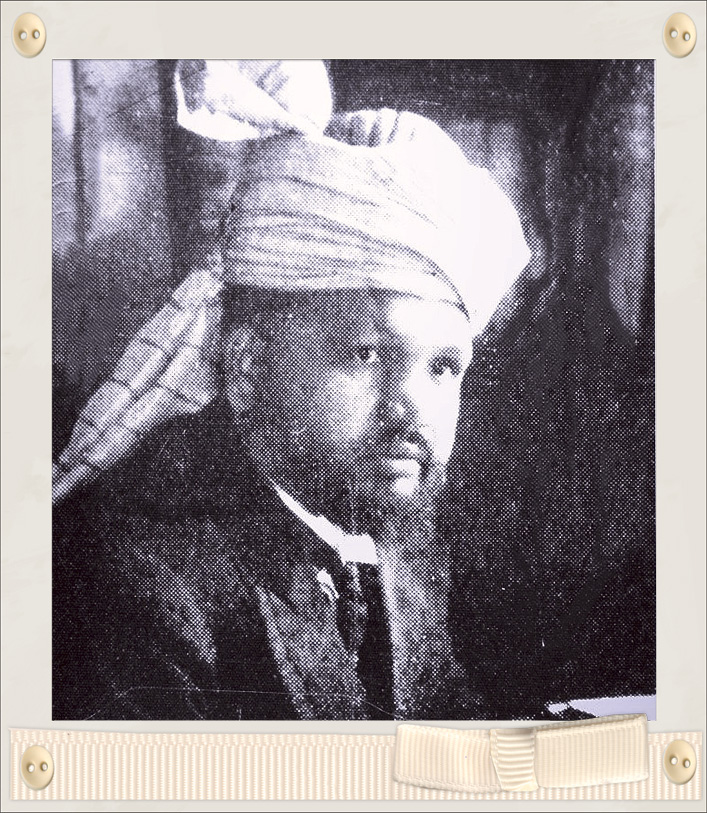
Maulvi Mohammad Yakub Khan first arrived in England in 1921 to serve at the Shah Jahan Mosque in Woking, Surrey. Over the course of his career, he completed three distinct terms of service at the mosque.
Timeline of His Service in England
- First Term (1921–1923). He arrived in England in 1921 and served as Imam for two years before departing London on September 20, 1923.
- Second Term (1925–1927). He returned to Woking in 1925 as assistant imam and worked at the mosque for another two years.
- Third Term (1956–1959). He arrived in England for a final time in December 1956 to serve once more as Imam, remaining until late 1959 or early 1960.
During his time in Woking, he also contributed heavily to Islamic literature in Britain, including editing The Islamic Review and translating Maulana Muhammad Ali’s biography of the Prophet into English.
The Woking Muslim Mission served as the primary centre for Islamic activity in Britain from 1913 until the 1960s. Founded by Indian lawyer Khwaja Kamal-ud-Din, the mission transformed a neglected Victorian building into an active hub for English-language Islamic scholarship and community outreach.
History of the Woking Muslim Mission
- Reviving a Derelict Mosque. Built in 1889 by Gottlieb Wilhelm Leitner, the Shah Jahan Mosque fell into disuse after Leitner died in 1899. In 1913, Khwaja Kamal-ud-Din prevented Leitner’s heirs from selling the property, helped establish a managing trust, and took up residence as Imam in August 1913.
- A Non-Sectarian British Hub. Although managed by members of the Lahore Ahmadiyya Movement, Kamal-ud-Din operated the mission on a non-sectarian basis to unite Muslims in the United Kingdom. It hosted major Eid festivals and attracted both South Asian residents and prominent British converts, such as Lord Headley.
- Transition in the 1960s. The Lahore Ahmadiyya staff ran the mission until the mid-1960s. By 1968, control of the Shah Jahan Mosque passed to a new charitable trust representing the growing mainstream Sunni Muslim population in Surrey.
Maulvi Mohammad Yakub Khan’s Literary Impact
The Islamic Review. Founded by Kamal-ud-Din in 1913, The Islamic Review was the mission’s flagship monthly journal aimed at correcting European misconceptions about Islam. During his terms in Woking, Maulvi Mohammad Yakub Khan served as editor, contributed articles, and published transcripts of his public lectures to reach English-speaking audiences across the British Empire.
- Early English Translations. The Woking Muslim Mission and Literary Trust was famous for producing accessible Islamic books in English, including Maulana Muhammad Ali’s 1917 English translation of the Quran. Yakub Khan expanded this catalogue by translating Muhammad Ali’s biography of the Prophet Muhammad into English and authoring his own introductory pamphlets on Islamic teachings.
- Public Outreach and Journalism. Beyond editing books, Yakub Khan actively engaged with British literary societies and local press to present Islamic perspectives on social and theological topics. His later experience editing major English-language newspapers in Lahore, such as The Light and the Civil and Military Gazette, reinforced the polished journalistic style he brought back to Woking during his final term in the late 1950s.
Maulvi Mohammad Yakub Khan was widely respected in Britain as an eloquent intellectual, writer, and bridgebuilder between Islamic and Western thought. Rather than achieving mass celebrity, his popularity was centred among British Muslim converts, South Asian expatriates, literary circles, and curious British intellectuals.
Pillars of His Reputation in the UK
-
- Intellectual Appeal to Western Readers. Contemporary accounts noted his ”commanding pen and an influencing intellectual approach to the western mind”. He presented Islamic theology in clear, persuasive English that resonated with educated British audiences and countered prevailing colonial-era misconceptions.
- Leadership in London and Woking. Alongside his duties at the Shah Jahan Mosque, he ran the London Prayer House in Notting Hill Gate for a year and temporarily assumed full leadership of the Woking Muslim Mission when founder Khwaja Kamal-ud-Din travelled abroad. This dual presence made him a familiar and accessible figure to Muslims and visitors in both Surrey and central London.
- Deep Affection from British Converts. He earned strong personal loyalty from the local British Muslim community, which included prominent converts from the British military and aristocracy. When his final term ended in late 1959, retired Royal Navy Lieutenant Commander Ahmad P. Robinson publicly lamented his departure, noting that Britain was losing a ”highly respected Imam”.
Editorial and Literary Reach
By managing the Publication Department and editing The Islamic Review, his essays and translations—such as Muhammad the Prophet and The Secret of Existence—circulated broadly across British libraries, universities, and reading rooms.
Maulvi Mohammad Yakub Khan’s personal life was marked by deep religious devotion, intellectual sacrifice, and personal tragedy, alongside active civic and educational engagement in South Asia.
Key Aspects of His Personal Life
- Heritage and Upbringing. Often referred to as a ”Pathan with a pen,” he hailed from a Pashtun background in British India. Before committing to full-time religious work, he held a stable and well-paid post in the Indian government service.
- Sacrificing a Career for Faith. In 1919, driven by spiritual conviction, he resigned from his lucrative government position to dedicate his life entirely to Islamic missionary and literary work. He later resided in Lahore, living in the Muslim Town neighbourhood while editing The Light and other publications.
- Family and Personal Loss. While he largely kept his domestic affairs private in his public writings, he experienced profound personal grief during his lifetime. In January 1941, he published a deeply emotional elegy in The Light mourning the death of ”Salim,” reflecting the sorrow of losing a beloved son.
- Civic and Educational Commitments. Beyond his editorial and mosque duties, he was personally invested in social reform and education. He participated in the 1931 Kashmir Committee, supported the non-violent Khudai Khidmatgar movement in British India, and worked as an educator, helping establish the Government Farid Bakhsh Ghausia Degree Science College in Toba Tek Singh, Punjab.
- Character and Temperament. Friends, fellow writers, and congregants in both Britain and Pakistan remembered him as humble, gentle, and deeply approachable. His personal demeanour matched his literary style—thoughtful, patient, and focused on building genuine human connections across cultural divides.
Source: AI
Sweden