A Significant Parallelism
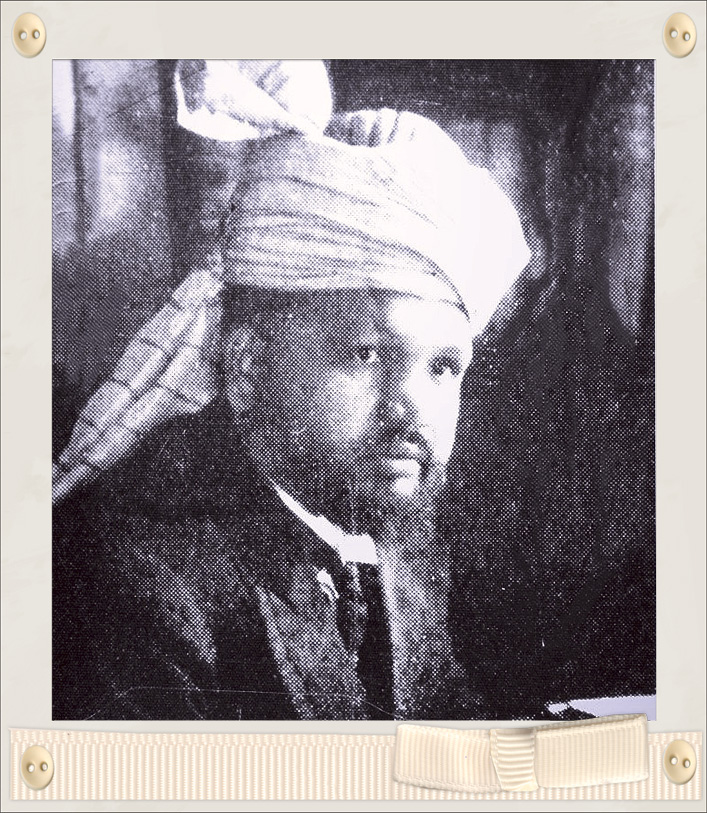
Mohammad Yaqub Khan
Editor : The Light
A retrospective peep into the remote past brings us face to face with a marvellous phenomenon of dramatic uniqueness. A small boy, the youngest of the twelve brothers, falls victim to fraternal jealousy. He shows unmistakable signs of future greatness and thus finding favour with the venerable father, excites the bitter envy of the brothers, who, bent upon depriving the budding youth of the rich blossom which seemed to have been kept in store for him, incite him away from the father, and while innocently enjoying his childish frolics throw him heartlessly into a well. They go home with a concocted tale for old Jacob, the loving father of lovely Joseph, who then lay helpless and alone in a gloomy abyss. The prophetic mind of the old Israelite smelt out elements of fabrication in the story of his sons, and although he was stung to the very quick and found his heart sinking within him when he heard that little Joseph was eaten by a wolf, yet he did not waver a hair’s breadth from the firm conviction that his son was alive. Meanwhile, what happened to the puny little thing at the bottom of the well reveals the invisible hand of God working behind the activities of the world. A caravan on its way to Egypt chances to pass by the place. One of them repairs to the well to fetch water. Little Joseph, in his boyish gambols, seats himself in the bucket. He is taken out. Poor fellow, he is sold from hand to hand as a slave, till at last he falls into the hands of the ruler of the land. Here comes the turning point. Indeed, the fact is stranger than fiction, and the chronicler’s faithful pen outdoes the romancer’s fanciful brain. In a few years, after repeated tosses of fortune, little Joseph, the same solitary dweller of the abysmal darkness, attains the highest honour and glory that could ever fall to anyone in the land.
While Joseph enjoyed kingly prerogatives, old Jacob and his eleven sons pined in the pangs of penury in a famine-stricken land. The fame of the generosity of Egypt’s magnanimous rulers spread far and wide, and Jacob’s family felt constrained to apply to him for relief. At last, the veil is removed, and the truth comes to light in its grim realities. Once again, the father and the son come together. Their joy knows no bounds, and they lovingly exchange filial affection and parental caresses. The guilty brothers, with bitter tears, fell down in repentance at the feet of Joseph, who, with true magnanimity, granted them free pardon.
History repeats itself. After some thousand years, we witness another scene equally melodramatic. A posthumous orphan loses his mother soon after his birth. He is brought up by his uncle and grows in the same pagan surroundings, but when his dawning consciousness recoils from the idol worship of his ancestors, he becomes restless and ponders over the state of affairs with all the seriousness. At length, the light of revelation illumines his heart, and to his astonishment he finds the heavy burden of regenerating strayed humanity falling upon his youthful shoulders. He prays to God for help and strength and sets to work. While announcing his mission to the people, he simply brings hornets’ nest about his ears. His call to one true God of the universe is met on all sides with severe opposition and bitter persecution. He is subjected to all sorts of tyrannies and cruel barbarities, which, of course, culminate in a diabolical attempt on his life. He flees away and takes shelter in a cave with a faithful friend, but the trackers pursue him. Man proposes, God disposes. Just after the entry of the couple into the cavern a spider providentially enough begins to weave its web over the mouth of the cave. The pursuers retracted their steps at the sight of the cobweb. The two quit their dear home and make for Medina. After repeated turns of adverse circumstances the despised and downtrodden orphan like little Joseph enters his original home victorious and triumphant with a large number of devoted followers, and his family who had left no stone unturned to bring him to ruin now come to him miserable and helpless. He lets off all of them in the same magnanimous spirit as Joseph had done before him. This historical parallelism is full of spiritual significance. It affords clear, explicit proof for the existence of God and the truth of the heroes who form the pivot on which the stories turn. Joseph sees all what is yet to take place in a vision while yet a child, and the upshot of the whole series of events turns out to be exactly as it was foreshadowed by the prophetic vision. Mohammad, may peace and blessings of God be upon him, likewise foresees all that was ultimately to come to pass. While friendless and alone he foretells his triumphant entry into Mecca after his expulsion from it. A prophecy fulfilled in the clearest possible evidence for the truth of a prophet and here we have before us the fulfilment of two prophecies backed up with incontrovertible historical evidence.
Yaqub Khan, B.A.
The Review of Religions
February 1914