THE NEW PRO-ISLAM TRENDS IN THE WEST
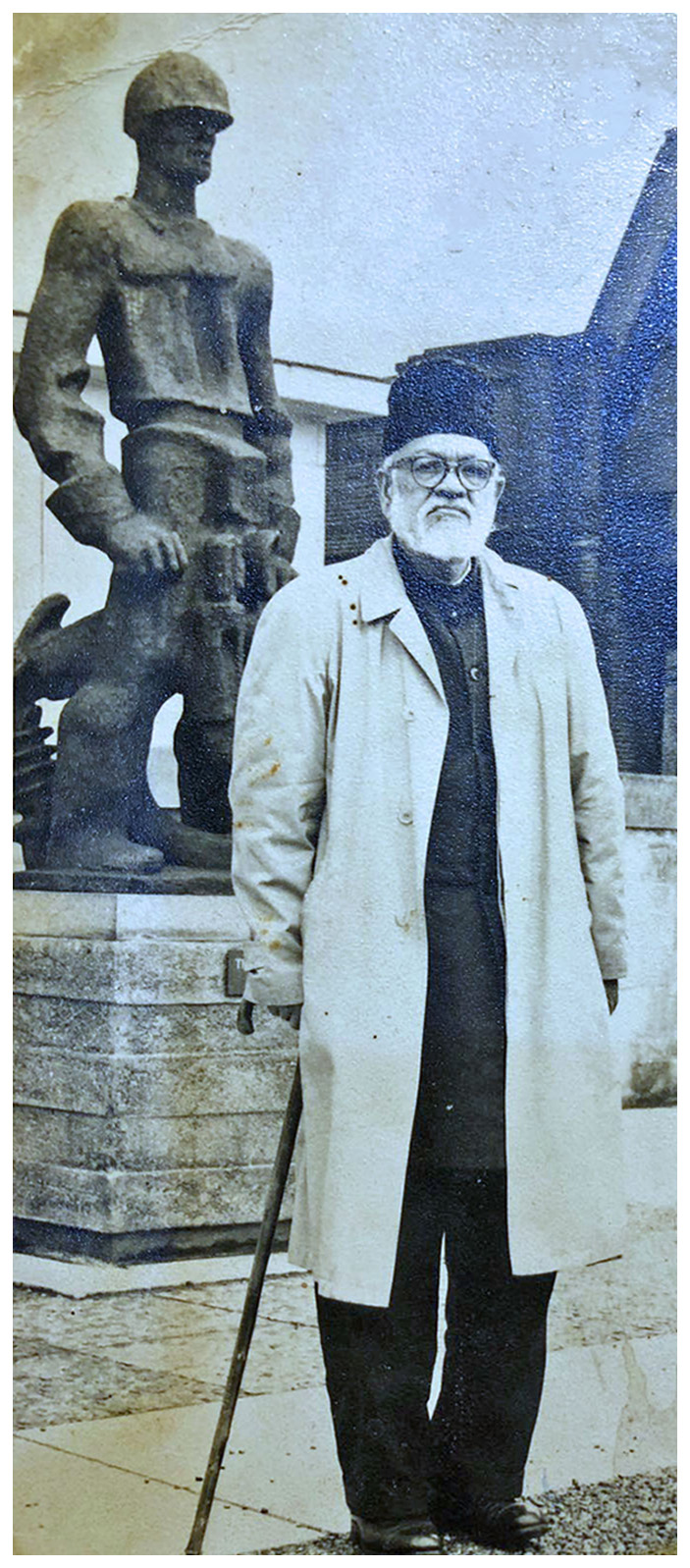
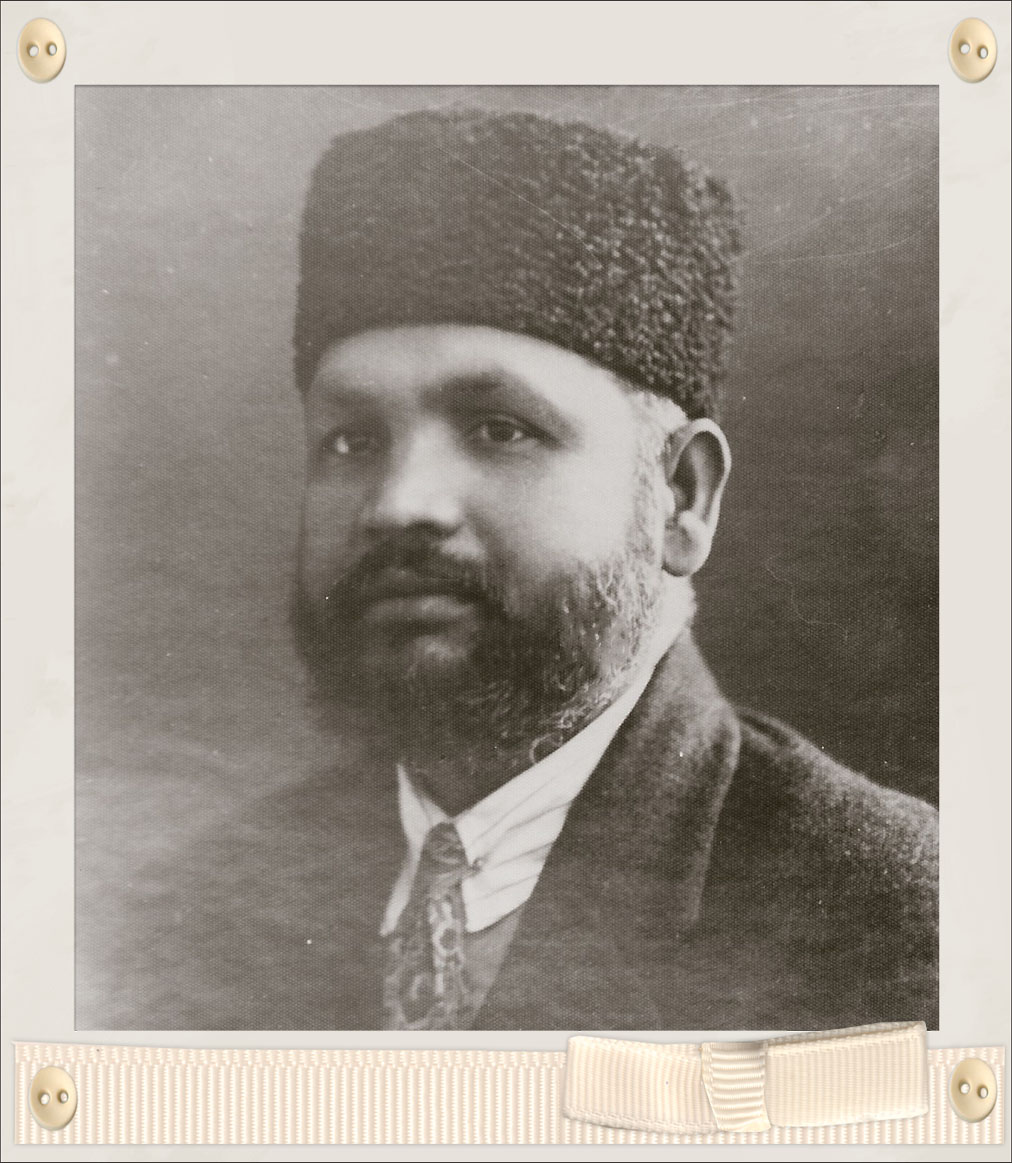
Muhammad Yakub Khan
A Sympathetic Approach to the Exploration of the Spiritual Values of Life inherent in Islam
Good comes out of evil. The threat of Godless materialism with its challenge to all the age-long values which mankind has cherished as most abiding and precious has stimulated interest in the West (including America) in the faith and culture of Islam.
There is a growing realization of the fact that Islam and Christianity, which stem from the same cultural roots, should explore and seek a common destiny in the nest age that is in the making. Indeed, as far as Christian intellectuals are concerned, even within the Church circles, it is openly regretted as the greatest historical folly, that the two faiths should have drifted asunder and even been at loggerheads with each other during their first impact. It is deplored that in the name of religion, Christian warriors should have flocked from all corners of Europe to fight the Muslims in the Middle East, forgetting that in doing so they were throwing overboard the whole mission of Jesus for a mere strip of territory.
The fact is that Jesus belongs as much to Muslims as to Christians. It was only the bigotry born of the fanaticism of the Medieval Church which made the people of the West turn a blind eye to the attitude of the Quran towards the Founder of Christianity, whom it holds up as an ideal of godliness and high moral and spiritual virtues. Even a compliment was paid to the Christian people as being nearer to Muslims because, it was added, of the presence in their midst of priests and monks who walked in the fear of God. Historically too, it was a Christian king of the neighbouring country of Ethiopia who gave asylum to the early Muslim fugitives from the persecutions of their Makkan opponents.
It was a tragedy that this good wave was not allowed to have its way. Had the hand of friendship extended by Islam at its very inception towards Christianity been reciprocated, the history of the world might have taken a different course altogether.
Today, however, Islam and Christendom have outgrown that medieval folly. The new impact brought about in modern scientific context is marked by greater sanity and objectivity, and if there is any real interest in getting at the core of the Quranic teachings, it is found more in the circles of Western Oriental scholarship than among the theologians in the world of Islam itself.
Yes, this is one of the most unique phenomena of the modern times. With Western scholarship fast shedding inherited prejudices and seized with a zest to probe into the deep moral and spiritual truth in the Qur’an, the time is approaching when Muslim people may have to go to the West to learn the profound wisdom of their own religion. It was an American scholar, the great historian Hitti (Philip Khuri Hitti was a Lebanese American professor and scholar at Princeton and Harvard University) who described the Quranic verse La ikraha fiddin (There is no compulsion in the matter of religion) as the greatest ever proclamation in the history of religion.
It is significant that whereas this most shining teaching of the Qur’an has so enthralled a great Western scholar, it has been utterly lost on the Muslim Ulema, who, by and large, advocate the use of force in the matter of religion. Penalization of change of faith with capital punishment has become a regular creed with some Ulema of the old school, which is a clear violation of this great Quranic declaration.
This new wave of interest in Islam, both in Europe and America, is very real, and to our mind, this development is big with possibilities which may be far beyond what we are able to visualize at the present time. Experience at our Missions, showing a steady influx of voluntary converts to Islam, should be some index to this new trend of the Western mind. It is not so much the conversion, however, that really matters. What is really momentous is the change of Western attitude towards Islam.
Reports from America show that perhaps an even more promising field awaits the works in the cause of Islam in that part of the world. The recent international conference of world religions at Boston, to which the Imam of the Mosque, Woking, was also invited, should underline that fact. The Imam tells us he found a revival of interest in religion among the people of America, and they were keen to know the truth about Islam. There are quite substantial little communities and bodies of Muslims sprinkled all over the United States. Even universities have Muslim Students Associations of their own, zealously functioning, promoting better understanding of Islam in that country.
The dawn in the West of this new era of sympathetic approach to the exploration of the spiritual values of life inherent in Islam devolves a duty on Muslims. So far, as a people, we have turned a deaf ear to the Quranic directive, making it incumbent on every Muslim to deliver the message of Islam to mankind at large. Perhaps our very downfall during the past centuries was the result of our dwindling loyalty to our ideology. So long as we kept the Qur’an in the forefront of our national life, we forged ahead from strength to strength. Our decadence set in when we turned our backs on that fountainhead of moral and spiritual vitality. Now that Providence has created conditions crying for a healing and a cure which religion alone can provide it would be an act of historical betrayal on our part to sit back with folded hands and raise not a little finger to do our duty by our faith.
(The Light – March 24, 1959)