THE INSTITUTION OF FAST

SIDE by side with prayer, every revealed religion has been prescribing, from times immemorial, a course of fasting as a means of man’s spiritual elevation. Prayer and Fasting are the two wings, so to speak, wherewith man uplifts himself from the low terrestrial depths of the flesh and soars high up in the celestial realms of spirituality. Both are calculated to bring out whatever good and beautiful lies embedded in the depths of human nature. Even to-day, we find the institution of fasting exists in almost all the surviving religions of yore. Brahmanism, Buddhism and Judaism have to this day conserved this keystone of religion. Islam, like its elder sisters, also places the greatest emphasis on fasting.
Christianity of the day, however, alone stands conspicuous in having eliminated this all-important item of religion. Why should it have done so, in the face of the Gospel records showing that Jesus also spoke of it again and again as a means of soul-purification, passes our comprehension. When asked by his disciples why they could not cast out the devil, did not the Master reply: ” This kind can come forth by nothing but by prayer and fasting ” (Mark ix. 29) ?
Again, is it not clearly stated that Jesus fasted for forty days for self-elimination:
Then was Jesus led up of the spirit into the wilderness to be tempted of the devil.
And when he had fasted forty days and forty nights, he was afterward an hungered.
And when the tempter came to him, he said, If thou be the Son of God, command that these stones be made bread.
And Jesus being full of the Holy Ghost returned from Jordan, and was led by the Spirit into the wilderness, Being forty days tempted of the devil. And in those days he did eat nothing: and when they were ended, he afterward hungered.
As a matter of fact, all the four gospels repeatedly speak of fasting. And how could Jesus ignore the importance of fast, a true observer of the Mosaic law as he was? He had not come to abrogate, but to fulfil the law (Matt v. 7). His strong belief in fasting could not better be illustrated than by reference to Mark ix. 29, where he says:
And he said unto them, This kind can come forth by nothing, but by prayer and fasting.
With Jesus a man could reach the height of spirituality by prayer and fasting. No doubt Jesus condemned the sort of prayer kept by the hypo-critical Pharisees:
Moreover when ye fast, be not, as the hypocrites, of a sad countenance: for they disfigure their faces, that they may
appear unto men to fast. Verily I say unto you, They have their reward.
But thou, when thou fastest, anoint thine head, and wash thy face;
That thou appear not unto men to fast, but unto thy Father which is in secret: and thy Father, which seeth in secret, shall reward thee openly.
But suchlike fasts are not fasts in the true sense of the word, and, like Jesus, Islam is also unsparing in its condemnation of hypocrisy.Jesus in the above quotation teaches the true spirit in which fasting should be observed. One fails to find any justification whatsoever in the teaching of Jesus for the absolution of the Christian from fasting.
TRUE SIGNIFICANCE OF FAST
A line of discrimination must be drawn between fasting and starvation. That of the Pharisees’ type, as denounced by Jesus, meant merely as an empty show, as a veneer to make one pass off as pious in the eyes of men, falls under the latter category. Voluntary and cheerful suppression, of carnal cravings is of the very essence of a true fast. Abstinence from food and drink, by itself, does not constitute a fast, unless it should foster the true spirit in us. According to the teachings of Islam, every religious institution is pregnant with a deep underlying significance. Remove that essence, that kernel, and what is left in the form of ritual is an empty shell, a worthless husk. So is the case with fasting. Food and drink are the indispensable necessaries of our life, and abstinence from them as such constitutes no virtue. It is only intended to serve as an ostensible symbol for what is the real object to inculcate. In abstaining from these legitimate means of self-gratification —food and drink honestly earned—we are in fact taught that we must never make use of what is illegitimate. In other words, when we voluntarily give up in obedience to Divine injunction what is perfectly right to use, how much more must we be on our guard against indulgence in what is wrong. We must abstain from everything improper and evil, whether in deed, word or thought: Let nothing foul and dirty pollute the clean sheet of our soul. Thus, fasting is not merely abstinence from food and drink, but what is the true purpose, refraining from everything impure. Not only is the stomach to be deprived of some stuff, but every limb and joint must participate in the fast. The foot must not walk towards evil; the hand must not stretch towards it. The eye and the ear must be shut against it and let it not find entrance even into the pure precincts either of the head or of the heart. Such is a true fast as enjoined by Islam.
HOW OBSERVED
The fasting period in Islam extends each year over a full lunar month—the month of Ramazan, beginning this year with the 28th April and ending with the 27th May, both days inclusive. The duration of a single fast is from early dawn (an hour before sunrise) till sunset, during which time thorough abstinence from every sort of edible, drink and smoke is to be observed. Conjugal intercourse is also disallowed during these hours. The interval between the two points—from sunset to an hour before sun-rise—is exempt from all these restrictions. Thus, food is taken an hour before dawn each day, which is called Sahri, from sahr (early morn), and again taken after sunset. Exact hours of sunrise and sunset can be ascertained from some paper, and the duration of a fast regulated accordingly.
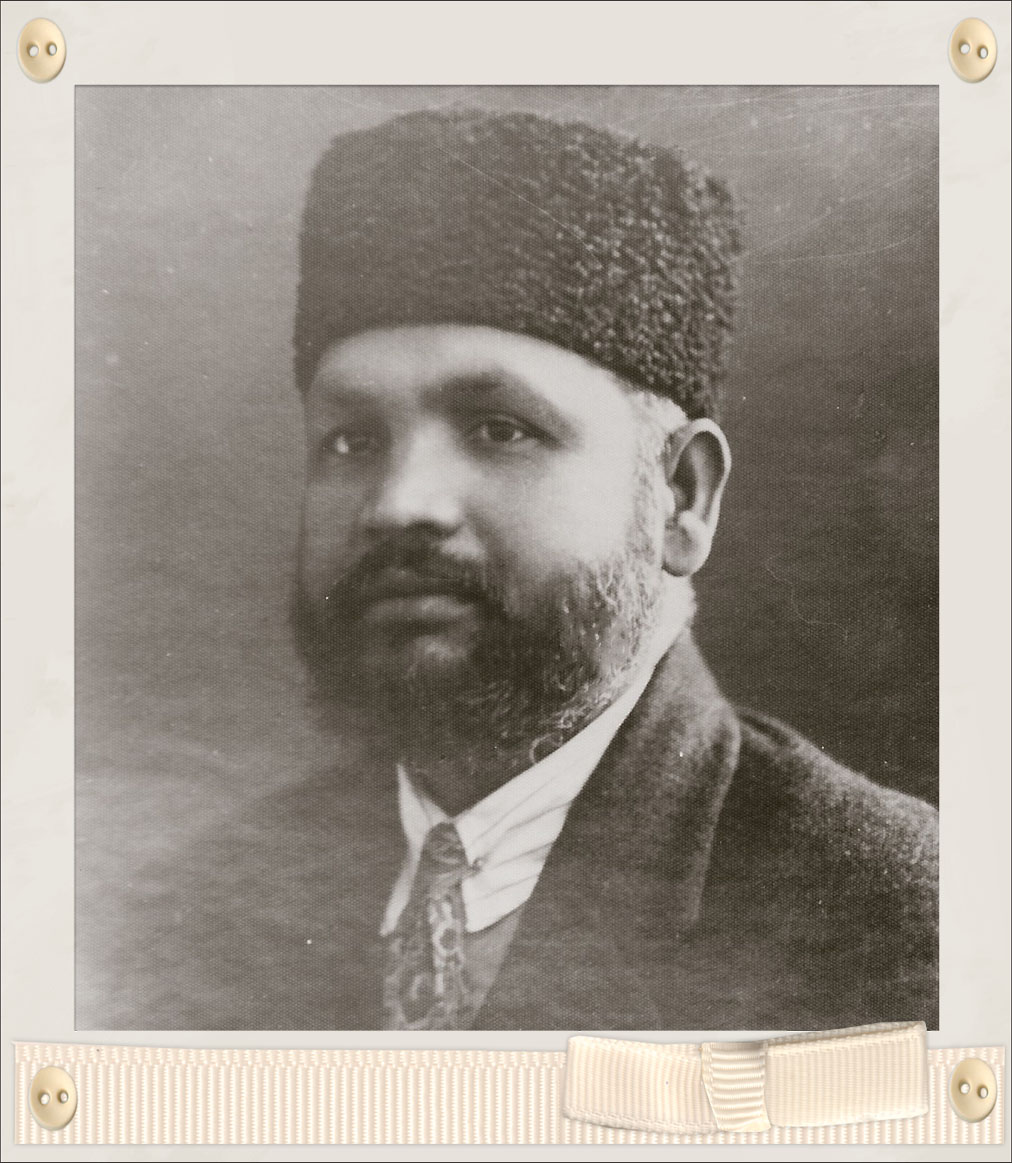
By MUHAMMAD YAKUB KHAN
The Islamic Review – May 1922