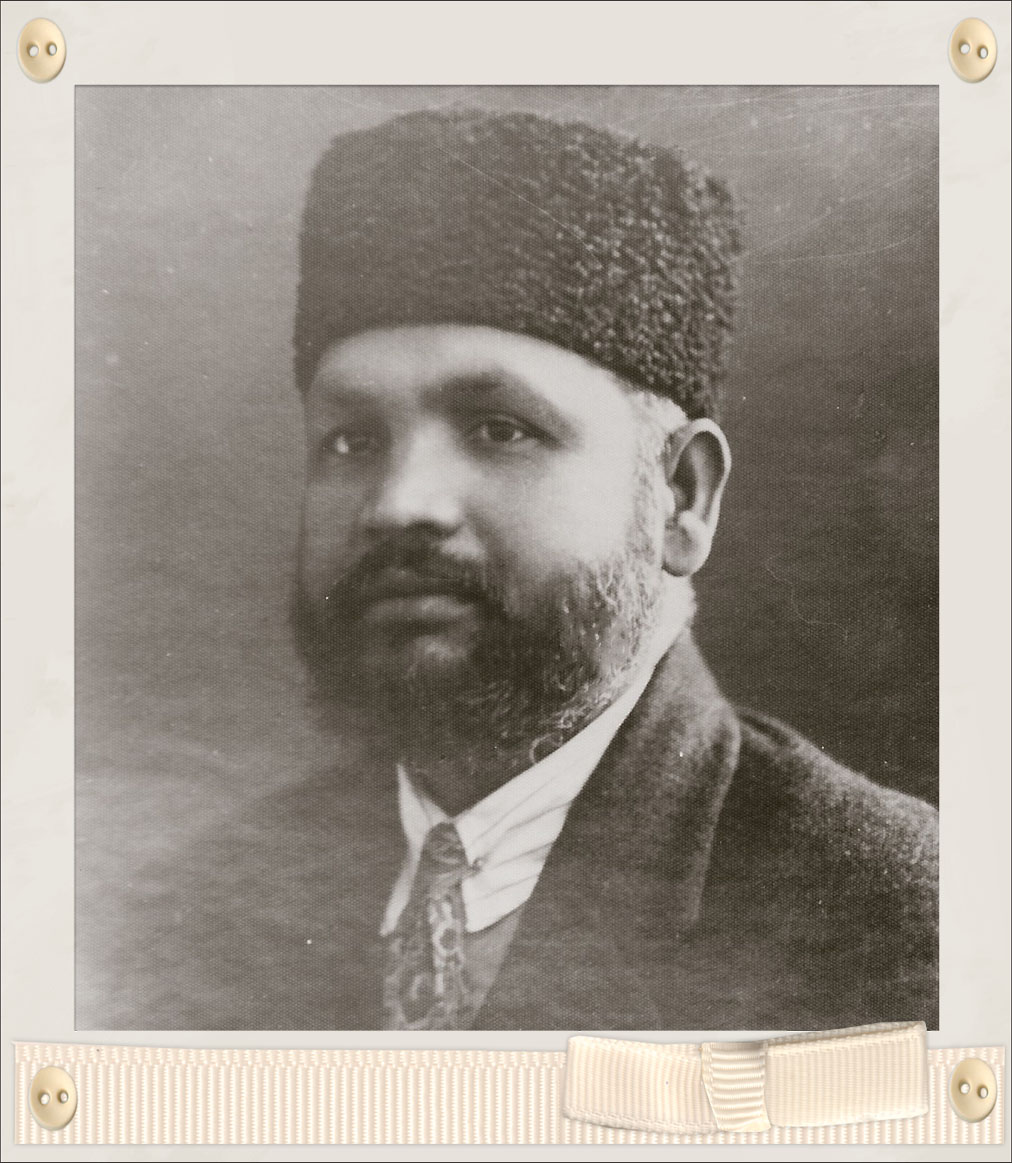
The Greatest yet the Humblest of Men

The Prophet Muhammad ﷺ was gifted with a versatile personality. Whatever role he was called upon to play he imparted to it a touch of the genius and the heroic. The one trait, however which may be called the keynote of that rich personality was the Prophet´s deep sense of humility – a feeling of utter insignificance before God, and common fellowship to the humblest of men.
In his relationship to God the Prophet ﷺ regarded himself as His àbd (slave), and it was his life´s ambition to prove a worthy àbd. His heart was so filled with God´s unbounded majesty, His bounties, His mercy that with all his greatness he never felt as being anything more than a humble servant of God. Our Christian friends who taunt Islam on this account describing the concept of “sonship” as connoting greater nearness to God than the distance implied in the relationship of Master and slave forget that humility is the hallmark of all true greatness.
With all his spiritual greatness the Prophet ﷺ devoted most of his time at night to the worship of God till his legs got swollen. When someone suggested a little relaxation in that rigorous standard, he said: Shall I not be a most thanks-rendering-slave? His own greatness could not blur his vision to God´s unbounded majesty and man´s utter insignificance.
With all his deep insight into the mysteries of life, the Prophet ﷺ was alive to the littleness of human knowledge, compared to the unbounded ocean of God´s wisdom. “O my Lord! Grant me more and more of knowledge” – was his constant prayer.
The Quran deprecates all arrogance and self-conceit, even to the extent of enjoining humility in walking and talking, “Do not go about on earth strutting,” it says. True servants of God, it says, walk gently on earth. Even in talking the voice must be regulated to a gentle pitch, the loud, domineering tone being likened to the braying of an ass.
To say nothing of ostentation or airs of superiority which were alien to his very nature, the Prophet ﷺ knew nothing in the way even of a mere pose or self-distinction. He loved to live as a plain common man, among the common people as one of them. In the company of his friends and associates so indistinguishable he used to be that a visitor who wanted to meet him had to ask: “Which of you is Muhammad?”
The Prophet ﷺ, with all his high position in society as the supreme leader of his people spiritual as well as temporal, mended his own shoes, patched his own clothes, milked goats, lent a helping hand in household work, worked as a common labourer along with his friends in the construction of a mosque, digging trenches on the battle-field. He was always the first to accost others with a salutation, and the last of withdraw his hand in handshaking. Intellectually too, there was no pose about the Prophet ﷺ. When the non-believers demanded that if he were really from God, he should cause to gush forth for them a spring of water from the earth, or that for himself (at least) he should have a garden of palms and grapes, and a house of gold. What was his straightforward reply? “Glory to my Lord!” he said, “am I aught but a mortal messenger?”
In thought, word and deed, the Prophetﷺ was the embodiment of humility, both in relation to God and man. Even at the height of worldly power, his deep sense of humble humanity which had been the keynote of his personality all his life never for one moment left him. He lived the common man´s life. “Among the poor, I wish to live”, he would say, “among the poor I wish to die, and among the poor I wish to be raised”.
When Umar saw on is body the stripes of the bare matting which constituted the Prophet´s bedding, he asked for permission to provide him some more amenities. It was unbearable, he said that whereas rulers in the neighbouring lands lived in great pomp the Prophet ﷺ led a life of such hardship. But the Prophet ﷺ, though now the overlord of the Arabian Peninsula, was still at his deepest core, the plain humble man he was as a persecuted man and a fugitive. What was his reaction to Umar´s suggestion? That sort of things was just not in his line, he said, “I am but like the wayfarer,” he replied, “who has a long way to go and just stops for a while for a little rest.”
On this Prophet´s birthday we would do well to remind ourselves of this path of true greatness and progress – the path of humility in all our attitudes and dealings as blazed by the Prophet ﷺ, acclaimed by God as “a mercy unto all nations” and adjudged by history as the “most successful of the religious personalities of the world.”
By Mohammad Yakub Khan
(The Light – October 1, 1958)