THE GOSPEL OF FELICITY
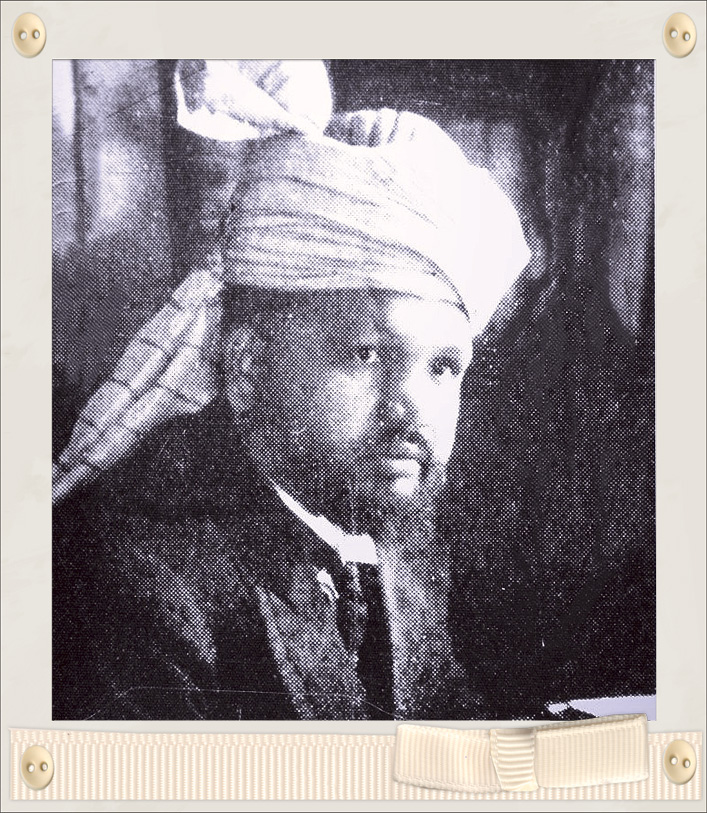
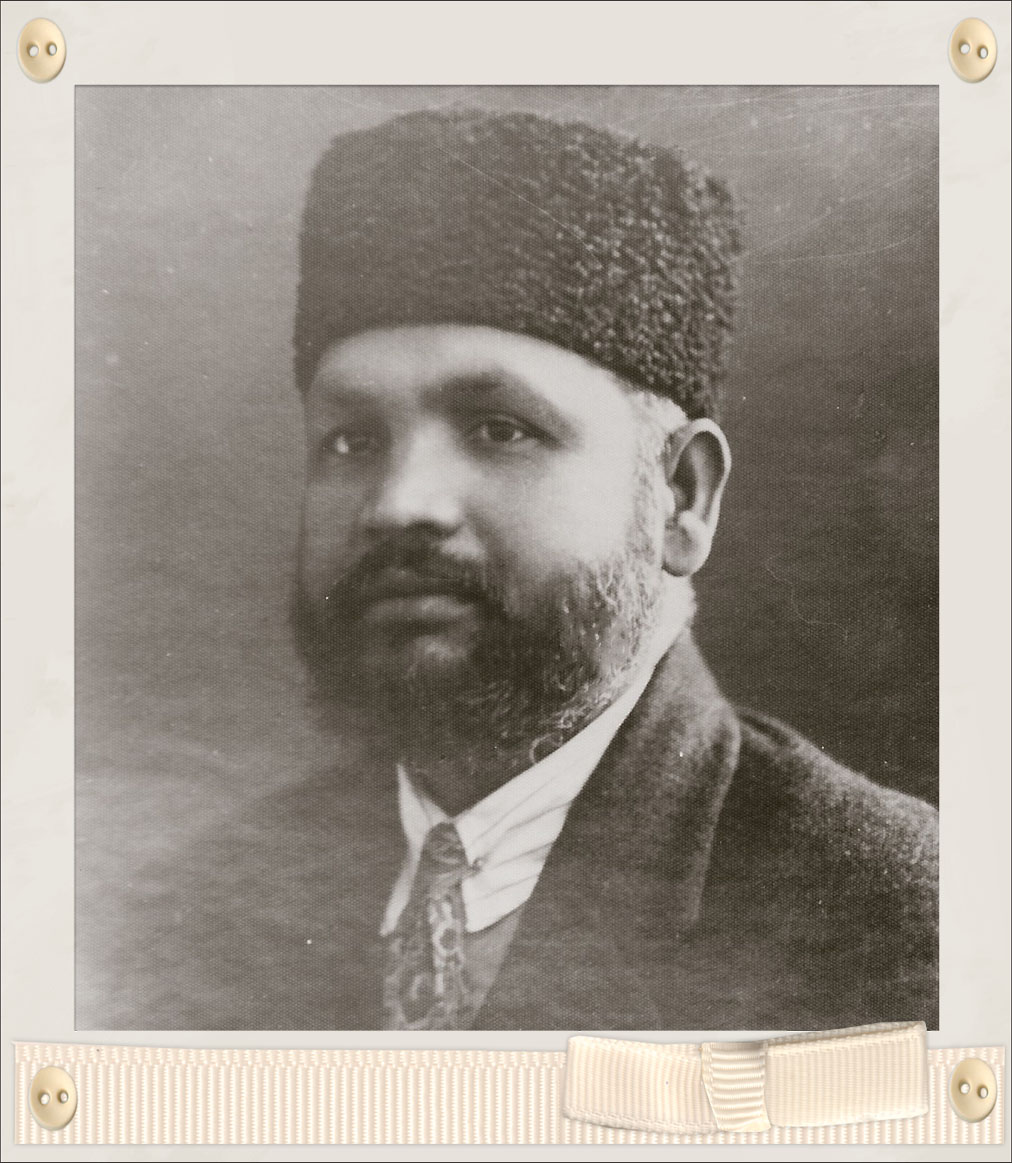
Mohammad Yakub Khan
The New Epiphany—Islam—Christianity
” Do not slacken nor grieve; for you are the triumphant ones, provided you are believers.”—THE HOLY QUR-ÀN.
HEREIN lies a soothing consolation for a true believer in the Holy Book, a most cheering tiding for a Muslim. Should we turn a new leaf this very day, shake our slumber off, make the best use of our time, energies, and whatever money we still possess, this very day shall fortune strew roses on our way. Wealth, power, pomp and glory shall follow like a shadow in the wake of our ACTIONS. Whereas the Holy Qur-àn speaks of the Divine attributes which were known to the world even before the advent of Islam, it also introduces quite a new conception of God. The world looked upon the Divine Being as merciful but was utterly ignorant of a particular form of His mercy known as rahmaniyyat in Islamic phraseology. This is how this attribute of God, for the first time expounded by Islam, manifests itself: A certain man is anxious to achieve a particular object but does not possess the necessary material—the means wherewith to attain his goal. He is at a loss what to do but does not keep listless. He exerts himself, and as soon as he takes the first step in that direction, Divine mercy comes to his succour, providing the requisite means. As he moves on towards his goal, the Divine Hand at every stage brings him the needful. This is the working of the Divine attribute rahmaniyyat—attribute that comes to the help of the MAN OF ACTION. The first step must be taken by man himself, in order to deserve the manifestation of this attribute. No matter whatever our lack of means and resources, the RAHMAN guarantees the supply of everything necessary, provided we take a firm stand on the field of ACTION, move about our limbs and keep up and doing. The Holy Qur-àn has laid the world under a deep debt of obligation by declaring God to be RAHMAN—the Provider of material to the man of action. This new thought, this fresh outlook on God’s ways, has given a great impetus to man’s powers. According to this new philosophy of life, man’s POWER or ACTION is his sole capital. It comes to cheer up the idle pessimist, urges him to be up and make use of his God-given powers, which he possesses as surely as anybody else, and the hand of RAHMAN will itself crown his efforts with success.
Christian theology has also a New Epiphany to boast of. Islamic rahmaniyyat connotes the mercy of God, which showers on man, not as a reward that he has earned, but as a spontaneous blessing. But Christianity knows no such unearned mercy, especially when there is the demand of justice to be satisfied. In such cases God must first arrange to meet the requirements of justice and then manifest His mercy. This novel moral of God was not revealed to Jesus. Nor is it traceable in the Acts of the Apostles. It finds, no doubt, a dim reflection in the writings of the semi-philosopher and semi-Rabbi Paul, who, in fact, is the real founder of so-called Christianity. This new conception of the Divine Being, that His mercy cannot be shown without compensation, was really invented to legalize the dogma of atonement. Adam committed sin. He as well as his children must be visited with punishment. Divine justice called for retribution. Divine mercy was, however, anxious for man’s redemption. But mercy could not be exercised unless the demand of justice were satisfied. Hence God, in His love, sent His own beloved son to earth, who was crucified to atone for the sins of others. This is the whole story. It is astonishing that such stuff should find a place in a system of theology. God, the Merciful, and exacting the price of His mercy—two irreconcilable ideas! Mercy ceases to be mercy when shown in return for something. To meet a single act on man’s part with a hundredfold of reward is surely mercy; but it is no mercy to forgive a sin after retribution. Whether the penalty is paid by the offender himself or someone else on his behalf makes no difference. So far as the forgiver is concerned, he has shown no mercy, having visited the particular offence with the proportionate measure of punishment.Nor is this Christian myth of atonement even an act of justice on the part of God. Administration of justice takes for granted the existence of two contending parties, apart from the judge, who decides between them. But where the case is between the offender and the offended, there is no occasion for the display of justice. Punishment in such cases, meted out by the latter, is not an act of justice, but of revenge. Sin is committed by man against God, punishing which would amount to avenging personal wrong, rather than justice. The writer has dealt with this aspect of the question at full length in his work A Word on the Attributes of God. Suffice to point out here that it is no New Epiphany, as claimed. The same story, as old as man himself—to’ bring about reconciliation between man and an angry Deity through sacrificial blood. The sophistical reasoning that what man owed to God the latter paid out of His own pocket, is a ludicrous attempt to disguise this pagan doctrine in a different garb. And what is the effect of such a conception on the morals of man? If man must model himself after the Divine pattern, this will hardly mean an enviable addition to the moral assets of humanity. It deals a deathblow to the highest form of virtue—benevolence—which is shown without expectation of reward. The influence of this doctrinal principle on the Western mind is patent enough. It knows no such thing as doing good without return. ”Give and take” is the principle on which all affairs are conducted. Small wonder that the votaries of a God incapable of good without recompense should also be deprived of this highest form of moral quality.The mighty Epiphany which aroused the dormant powers of man’s nature and brought about through the Muslims of early days a wholesale metamorphosis of human society, consists in the Divine attribute known as rahmaniyyat. Like everything else in the realm of creation, man has quite a heap of calls of nature to attend to, upon the satisfaction of which depends his welfare—nay, his very existence. But it is beyond his power to provide the means wherewith to satisfy such calls. There are some of these requirements of our nature that must be provided for, even before we come into being, or our very existence would be an impossibility. The breasts of a mother must have milk in store for the child long before its birth. Air, water, heaven, and earth—in a word, the entire system of this universe as it is—must be there before a child may take birth. The existence of all these things is an indispensable necessity for its life. The Compassionate and Merciful God has taken good care to make the necessary provision for us. But what for? Not in return for any good offices we have done Him, but merely out of His spontaneous loving grace. All this is the manifestation of the Divine attribute called rahmaniyyat in the Holy Qur-àn.
Besides what is indispensable for our very existence, at every step in our daily life we are likewise helpless and utterly dependent upon Divine grace. Every act of ours, every movement on our part, requires the pre-existence of certain material, beyond our power to create. What would all the skill of a carpenter or a smith avail unless God were gracious enough to have created the requisite material—wood, iron and fire—out of His mere bounty? Similarly, every art, every craft, every phase of human activities, is dependent upon some material, out of our power to create. And are not our own various limbs and joints, our hands and feet, our head and heart, the different manifestations of which are known as various arts, the unearned grace of God? These blessings of God, that come spontaneously, know no distinction of caste, creed, colour or clime. Those, however, which come to us as the product of our own labours—and these also are rewarded with tenfold of what is our due or hundredfold or even more—are, according to Islamic classification of Divine attributes, the manifestation of rahimiyyat. Traditions have brought down a report from the Holy Prophet ﷺ saying that Divine rahmaniyyat showers its blessings on all alike, irrespective of any distinctions, whereas His rahimiyyat is exclusive in its bounty to the believers. This embodies a great truth which, unfortunately, the Muslims have failed to realize. They have put upon it an interpretation which has led all the more to their ruin. This is how they construe it:
”We are the chosen of God, His favourites. Let these non-believers enjoy this short-lived earthly life; we will have the next life all to ourselves. Let them avail of Divine rahmaniyyat here, but when the time comes for the exercise of His rahimiyyat they will be pushed off. Every bliss will then be reserved exclusively for the believers.”
So far, so good. The manifestation of rahimiyyat has no doubt been limited to the believer. But who is a believer? Surely not one who merely professes to be so. A true believer is a MAN OF ACTION. Let the Muslim think within himself—the so-called Muslim—if, according to this definition, he can find a place under the category of believers. Has he not heard of another saying equally true:
”Whosoever is blind in this life, he shall be blind in the life to come—nay, even more misguided ”
The motive underlying this New Islamic Epiphany was to rescue man from the slough of despondency for lack of means. Should he care to enter the field of ACTION, want of requisite material may not stand in his way. For this reason, the Book of God, as well as every chapter contained therein opens with the words:
” In the name of Allah; the RAHMAN and the RAHIM.”
For this very reason have we been enjoined to recite the same every time we set our hand to something. It is intended to impress on man, thereby, that whatever his requirements, RAHMAN has already created them out of His grace. These, however, can only be turned to account after he has brought his own powers into play. Grain, for instance, is a necessity of our life for the production of which we stand in need of the co-operation of every atom in the universe. The earth,’ the sun, the moon, air, water, clouds—in brief, every element of Nature—must be subservient to us, or we cannot grow a single grain. The RAHMAN has, in His infinite grace, provided us with all these servants for nothing, but these God-given labourers refuse to render us any service until and unless we have taken the first step and brought one of our own faculties into operation. After we have ploughed the soil and sown the seed do all these agencies of Nature set to discharge their assigned functions. The initiatory step must be our own, in order to set this Divine machinery into motion. This is the significance of the report from the Prophet ﷺ which says that God advances ten steps towards the man who takes but one step towards Him. In other words, Divine blessings are impatient to meet us more than half-way, should we take but one step to receive them. Thus, the RAHMAN has given us the necessary material and capacity wherewith to deserve and attract His blessings as RAHIM.
M.Y. KHAN
(The Islamic Review-August Sept,1922)