PROFESSOR KAY ON THE SEMITIC RELIGIONS

The Semitic Religions, by D. M. Kay, D.S.O., D.D., displays quite a wealth of research into the birth, growth and development of the Semitic system of religious thought. As such, it must be of immense value to any student of religion, but what marks it from so many other works of the kind, old as well as modern, is its freedom from what may be termed little-mindedness. It is a just and generous appreciation of the good in each one of the great Semitic religions. It has none of the gibe or the vituperation of the pedant or the bigot. With an eye for the good and noble, it has succeeded in striking upon that, even in what would appear otherwise to a superficial or a predisposed observer.
No religion has been more misunderstood, and even still more misrepresented and calumniated, than Islam. The average Western writer on Islam has, as a rule, few words of praise to lavish on what to him is a “false religion,” “an imposture.” Nor have fantastic stories, to paint the religion and its founder as black as black can be, been wanting. These have been unscrupulously disseminated by ignorance and by fanaticism and readily believed by credulity. In the midst of such unchristian writers, however, there have sprung up, here and there, souls too big and broad to be obsessed by the unreal and the artificial. These had the independence of character to soar above these clouds and the clearness of vision to penetrate to the real beneath the apparent. “The lies,” exclaimed Carlyle, “which well-meaning zeal has heaped round this man [Muhammad] are disgraceful to us only. . . “A false man found a religion? Why, a false man cannot build a
1 Crown 8vo, 206 pp.; publishers, Messrs. T. &. T. Clark, 88 George Street, Edinburgh; price 7s. 6d.
2 Even those who could not but admit some good points in Islam, such as Muir and Irving, did so too grudgingly.
brick house.” “If this be Islam,” observed Goethe in the same strain, “do we not all live in Islam? “And now, in our own day, Professor Kay’s exposition of Islam breathes the same spirit of charitable appreciation.
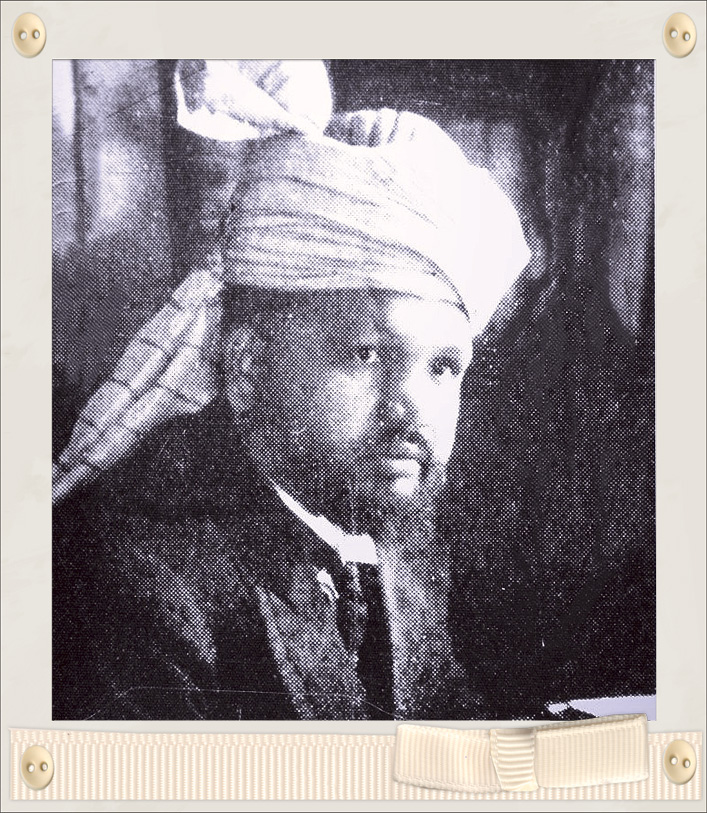
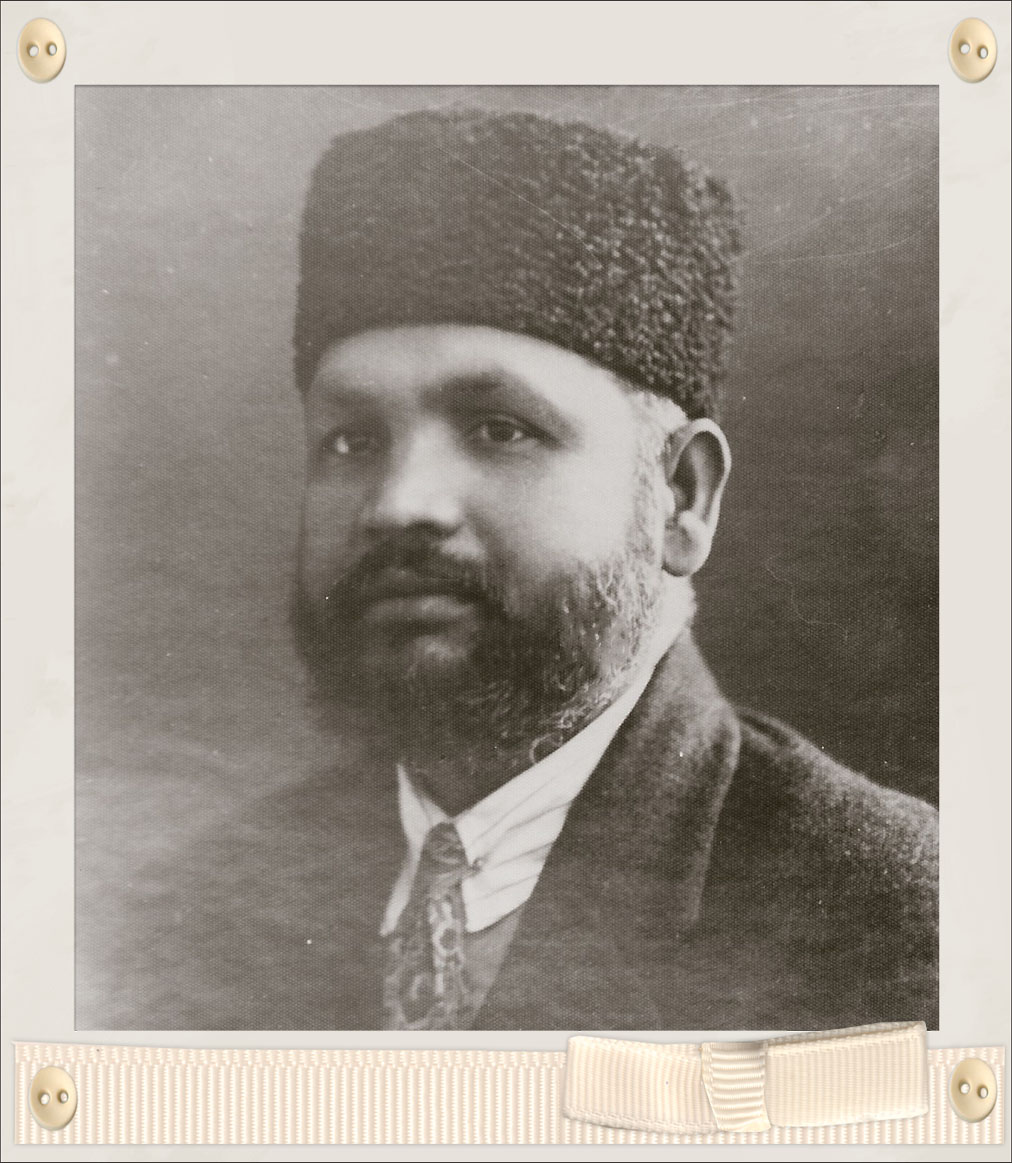
Mohammad Yakub Khan
Long before the Call, the Professor tells us, the Prophet was known by the nickname of “al-Amin,” or trustworthy. He was instrumental in the formation, in that wild state of society where might was considered right, of a league of honest men to protect the victims of lawless aggressors, and attention is aptly called to the pride with which, in later years, the Prophet looked back upon this noble deed. “In later life Mohammed used to say: “I would not exchange for the choicest camel in all Arabia the remembrance of being present at the oath which we took to stand by the oppressed.”
The Professor deals, on the strength of facts and figures, a fatal blow to the prevalent sword accusation against Islam:
Alexander the Great (he argues) had conquered his world, but his empire fell into fragments when he died. When Moslem military power became weaker, their religion went on making fresh converts. Seldom do Moslems change their faith for another, never on a national scale. Islam displaced the religion of the Magi in Persia and extended its influence in Central Asia. The ten million converts in China have been made without support from military power. It would have been easy to exert political pressure in India; yet the seventy million India Moslems were won by the appeal to heart and mind. In Java, in Africa, Islam has spread with no assistance from military power. Careful computation places the number of Moslems at 201 million in all; and no one can believe that war can make or retain a fellowship such as this. . .. The Moslem victors were deeply religious men; they were missionaries unconsciously by the intensity of their belief. The Moslem trader speaks of his religion as occasion offers, and without systematic organization he succeeds in diffusing his religion. A Moslem who was condemned to death in the Belgian Congo is reported to have Vent his last hours in trying to convert the Christian missionary who was sent to minister to his spirit. . .. Islam from its birth had to fight for self-preservation; it accepts war as it accepts pestilence or famine, as something which cannot be avoided.
Polygamy, too, is, after all, not without some good:
The theory of polygamy (the author observes), which diverges so strongly from Christian feeling, provides all women with family protection; and the moral degradation of great European cities has no equivalent among Moslem women.
Nor is the Qur-án to him what it generally is to an average Western student. He understands its value and appraises it at its true worth:
Read in English (he says), the Koran has been pronounced uninteresting; read in Arabic, the diligent foreigner begins to understand why the native Arabian finds in it a superhuman excellence and beauty. To please the indolent imagination was never the purpose of this Book. The Manual of Infantry Training is also uninteresting to read. But the Manual makes blind multitudes into orderly armies, obedient to the clear purpose of a single spirit. Such, too, is the merit of the Koran.
The book pays a high tribute to the Islamic spirit of charity and generosity. Speaking of the fall of Mecca, it says:
The inhabitants were surprised that Mohammed forgave his persecutors without exacting vengeance. . .. Kindness to animals —horses, donkeys, dogs, pigeons—is required by religion and has become innate among Moslems. . .. The Moslem .. respects the sanctity of the church and synagogue. . .. There is a true democratic element in Islam; the negro and the Pasha are equal, and feel themselves equal, in the mosque. . .. On his deathbed, Mohammed inquired whether the half-dozen dinars in the house had been given away and ordered their instant distribution. “Could he enter the presence of the Divine Judge having left so much power for relieving need unused?”
This instinct of Islamic charity is further illustrated by recalling Khalif Omar’s generous treatment of the Christians at the fall of Jerusalem.
When Jerusalem peacefully capitulated to the Moslems (A.D. 636), the Khalif Omar rode from Medina to make terms with Sophronius, the Christian Patriarch. The Patriarch and the Khalif happened to be in the Church of the Holy Sepulcher when the Moslem hour of prayer arrived. Omar went outside and performed his devotions in the open air, explaining to the Patriarch that he had done so lest his followers in time to come might claim to pray within the church. Omar pledged the Moslems to respect the sanctity of the church, a pledge which has been loyally kept for 1,200 years.
The book also refutes the baseless notion that the fixity of Islamic law does not admit of the exercise of individual judgment, and so it tends to stagnate intellectual growth. In this connection are mentioned the intellectual luminaries of Islam, such as Abn Sina and Al Ma’arri:
Aristotle was better known in Islam than in Christendom. . .. They had the same freedom which Mohammed conceded to the gardeners who were busy artificially fertilizing the palm trees to secure a crop of dates. “You know better than I do what concerns your worldly interests.”
That the Qur-án does not put any restraint on the free play of one’s mental powers is further corroborated by referring to some modern leading men of thought in the world of Islam. Maulvi Muhammad Ali, the renowned translator of the Holy Qur-án in English, is quoted—to bring out the same point—to say:
The present tendency of the Muslim theologians to regard the commentaries of the Middle Ages as the final word on the interpretation of the Holy Qur-án is very injurious, and practically shuts out the great treasures of knowledge which an exposition of the Holy Book in the new light reveals.
The work is intended to promote a better understanding between the great Semitic religions. In this understanding, and through the exercise of truly religious influence, the author hopes, lies the future welfare of humanity. The millions of the followers of these religions, welded in a bond of mutual understanding, would form a League of Nations with tremendous power to put a stop to warfare and bring about an era of peace and prosperity. “It is not in schools of science and philosophy nor in the assembly of delegates, but in the Temples of God, that the holy fire of philanthropy can be kept alive.”
(The Islamic Review, August 1923)