NOTES AND COMMENTS
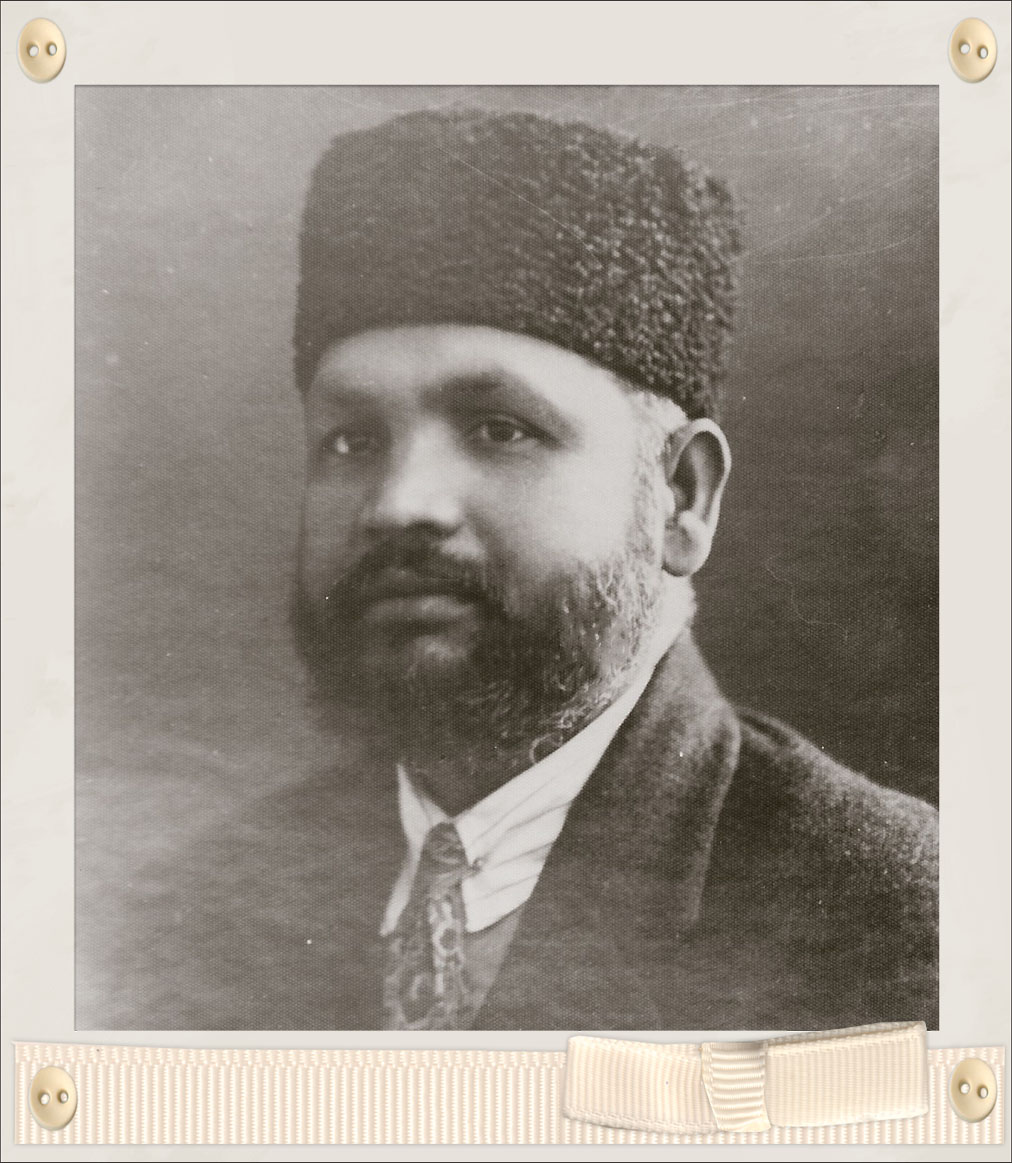
Mohammad Yaqub Khan
Editor: The Light
Eid al-Adha
ISLAM is rooted in a profound knowledge of the working of human nature. Its principles, its teachings, its institutions are all directed towards the fulfilment of that nature. Unlike most other religions, it seeks that fulfilment, not in the denial of the cravings of the flesh but in their regulation, not in escapism from the life of the world with its myriads of cares, worries and problems but in grappling with and conquering the same. It places all the good things of life at man’s disposal, gives him freedom to avail of them and enjoy them, but subject to one condition: that he does not lose himself in those pursuits and keeps his gaze fixed on the high Destiny that beckons him, in this earthly life as well as in the life to come. “Eat of this (garden),” says the Qur’an, “but touch not this particular tree (of God-forgetfulness).” According to a hadith, every act of a believer is an act of worship because it springs from the higher and purer motive of doing the will of the ´Creator` and implementing His scheme of things.
The two Eid days, Happy days, embody this very wisdom. Muslims the world over enjoy themselves; they put on their best dress and take specially prepared dishes – both apparently things of the flesh but having their springs in the higher truths of life. The one is a sequel to a month of self-discipline in obedience to the will of God; the other commemorates the super-human sacrifices of Hazrat Abraham (Ibrahim) in doing the will of God. Both are designed to mould human nature in such a way as to look for true bliss and happiness in the remembrance of the Lord and doing His will. Ibrahim is presented as a model of faith in the Qur’an – “When God said unto him, he said: I submit to the Lord of the creation.”
إِذْ قَالَ لَهُۥ رَبُّهُۥٓ أَسْلِمْ قَالَ أَسْلَمْتُ لِرَبِّ ٱلْعَـٰلَمِينَ
(Al-Baqara (The Cow) 2:131)
This is the way to true happiness which a crazy world of little-minded modern men vainly seeks in big industries; roaring trade and the comforts science has placed at man’s disposal. The Communist, the latest and biggest fool of them says: Let man have more and more to eat to make him happy, as if man is no more than a lower animal, which when well-fed, feels quite contented. Islam has a much higher conception of the dignity and destiny of man than Karl Marx who could see nothing in better this wonderful universe where even a blade of grass reveals the majesty of the Power and Purpose behind it, than dialectical materialism. The Prophet’s prophetic eye rightly saw the Dajjal as having just one (matter-seeing) eye, the other (capable of seeing the life-principles behind the world of matter) being stark blind. Islam as the Science of human origin, nature and destination, has discovered that the path of abiding bliss must be sought in the midst of inequalities, iniquities and sufferings, in the will and purpose of God. In that path, even laying down one’s life becomes a matter of joy for a true believer, as the Eid-al-Adha reminds us.
Animal Sacrifice
WHAT is the good of slaughtering animals on the Id-al-Adha, asks the modern man. Is it not a relic of the primitive age when the crude undeveloped human mind saw in every awe-striking phenomenon of nature the manifestation of some angry deity whom he tried to please with sacrificial rites? Since meat was the most relished diet of the primitive man who lived mostly on the wild game he hunted, he thought the invisible power sending storms or thunder or hailstones also wanted a good meat feed and blood drink. So, he provided these in the hope of appeasing their wrath. Later on, when it struck them that meat lay where it was and did not reach the deity, they began to burn the same, so that the smoke of meat might regale His nostrils. Burning incense at altars in houses of worship of some religions is a survival of the same idea. In this sense, there is no sacrifice in Islam. It is true the majority of Muslims take sacrifice in the primitive propitiatory sense.
“Neither its meat reaches God,” says the Qur’an, “nor its blood. What reaches God is the taqwa (God-consciousness) in you.”
لَن يَنَالَ ٱللَّهَ لُحُومُهَا وَلَا دِمَآؤُهَا وَلَـٰكِن يَنَالُهُ ٱلتَّقْوَىٰ
(Al-Hajj (The Pilgrimage) 22:37)
Even many educated Muslims, lawyers and judges, think the animal they sacrifice will on the Day of judgement, give them a ride across the narrow path which is otherwise difficult to cross. Many still believe that an impending calamity is averted by killing an animal. All this shows how die-hard superstitions are. God in Islam cannot be bought or bribed. The various observances Islam enjoins mean nothing to God. They inculcate the God-consciousness which is the source of all good and bliss in life. Devoid of that inner meaning, neither salat (prayer) nor fast is worth much in the eye of God. Even so the killing of sheep and goats on Eid-day. If all the sheep and goats in Pakistan were slaughtered and offered to God as a price for the restoration of Kashmir, it will be in vain. But if sacrifice is correctly understood in the sense the Qur’an wants it to be understood, that is in the sense of sacrificing self in a good cause, Kashmir can be regained without going to the Security Council. In this latter sense, only an unrealistic visionary can deny that sacrifice is the highest law of life, that great ends can be achieved only by sacrifice, that, in fact, sacrifice is the only key that unlocks the treasure of the universe for the benefit of man. If the grain of wheat does not extinguish its own identity, who can give us the life-sustaining wheat crop? The nourishing milk that we take involves the sacrifice of so much of vegetable life.
The bee toils day after day and as a result of sacrifice of its comfort, produces the most delicious beverage which no human ingenuity can make. Sacrifice is the universal law of life. A time comes when it becomes a duty to lay down one’s own life – that is in defence of one’s hearth and home, the honour of womanhood or the freedom of conscience. If Muslims in the East Punjab had been true to this Islamic principle of life, no power on earth could turn them out of their homes. For averting the sacrifice of a few thousands, they paid the penalty in a million slaughtered, and six million rendered tramps. Pakistan itself will prove a poor shelter for them if they do not take the lesson of sacrifice to heart. Nature accepts no other price for freedom and honour.
This is the true significance of the animal sacrifice in Islam. Unless the Muslim learns to kill the animal in himself and is prepared to lay down his very life in defence of a high cause, he is only spoiling the cattle wealth of Pakistan by offering the so-called “sacrifice”. Here again Islam comes into a direct conflict with Communism. Islamic way of life promotes social welfare at the expense of self; Communism tries to gain that objective by robbing others. The one elevates the individual and begets fellow-feeling and love; the other brutalizes and creates a vicious circle of class hatred.
Floods
THE devastating floods that have wrought havoc in several parts of Indo-Pakistan sub-continent has given the critic with little knowledge an occasion for cheap gibes at the wisdom and mercy of the Providential scheme which religion teaches. Where is the sense or justice, to say nothing of mercy or love, in making people sound asleep in their homes wake up to find all their effects washed off, followed by the collapse of very roofs over their heads.? Could this be the work of an all-wise, all-merciful God? they ask. It is all bosh, they argue. Everything goes on just according to the blind forces of Nature. As we said, this kind of talk is the result of little knowledge. The very idea of man with his puny intellect sitting in judgment on the working of this huge machinery, the universe, in which man is but a tiny speck, is presumptuous and unscientific. To say about a universe so wonderfully designed, arranged, controlled and worked that something in it is amiss, is to betray one’s own shallow knowledge. Shakespeare, with the gifted eye that he had, could see sermons in stones and running brooks. Sa’adi, the Persian sage saw in a green leaf of a tree a whole library of wisdom. For the half-baked modern youth, with a smattering of Freud or Karl Marx to suggest improvements in the Divine scheme of things is to betray lack of a sense of proportion. Man with all his wisdom is yet too poorly equipped intellectually to grasp the full import of phenomenon involving misery and suffering. The proper attitude for man is to study reverentially the wisdom underneath seeming ill which is invariably there. Nothing in this universe is wrong or amiss – not even the floods with their ravages. Does not a slothful humanity, with a blind eye towards all the higher values of life, given to greed, self-seeking, corruption and all sorts of vices, deserve this occasional shaking? Even an affectionate mother would give her boy a rude shaking to wake him up, if he is getting late for the school. The Qur’an definitely claims that no such calamity overtakes mankind but as a result of their turning a deaf ear to the warnings of the messengers from God. The repeated wars, the atom-bomb threat and the devastation that comes in the wake of these wars, are also a Divine chastisement for ignoring the Quranic message, calling towards God. The floods, with all their seeming devastation, have this very lesson to teach – viz., the real shelter of man consists not in the house of brick or mud which is so dear to him but in Him who is the author of all these worldly comforts and to whom ultimately man has to return.
(The Light – October1, 1950)