Love Thy Enemy—Part 4
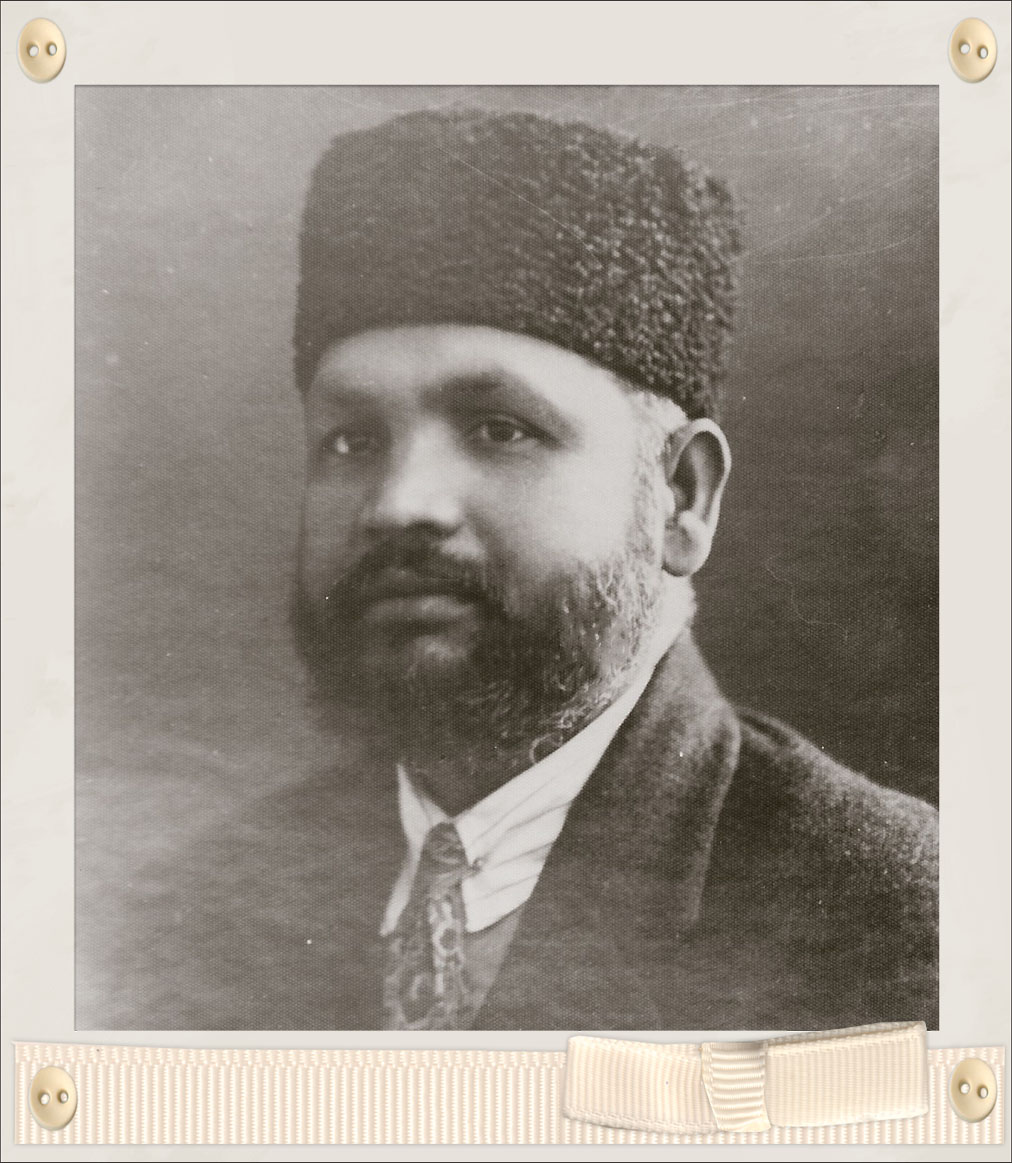
Mohammad Yaqub Khan
Editor The Light
The Man who Lived it
Christendom has for long centuries been caricaturing Muhammad ﷺ as holding the sword in the right hand and the Quran in the left. Primarily, this was a propaganda picture the Medieval Christian literature portrayed. We should, however, fancy that the writings of the Medieval writers of Islam must have lent much colour to that impression. Now that old prejudices are dying out and clouds lifting, we should suggest to every fair-minded student of Islam to base his impressions of Islam and the Prophet of Islam, not on the word, or deed of this Muslim or that, but only on two things — the Quran and the Prophet’s life as he actually lived it,
کاَنَ خلقہ القرآن— ”The Quran was the true picture of the Prophet’s morals,” is the testimony of Aysha, the Prophet’s wife. In fact, the teachings of the Quran and the life of the Prophet are two pictures of the same truth, the one being the picture in word, the other in deed. Whereas the former may be taken as a mirror reflecting the Prophet’s personality, the latter is undoubtedly a concrete commentary on the teachings of the Quran. In order to judge how far the Prophet was gifted with a loving heart, let us turn to these two sources.
Here is the Quranic portrait of the Man Muhammad ﷺ.
لَعَلَّكَ بَاخِعٌ نَّفْسَكَ أَلَّا يَكُونُوا مُؤْمِنِينَ
” Would you worry yourself to death over the fact that they do not accept your message? ”
He was pained at his people’s wretched condition from which Islam had come to uplift them. It was out of lore for them that he worried himself to such an extent. Again,
فَلَا تَذْهَبْ نَفْسُكَ عَلَيْهِمْ حَسَرَاتٍ
“Do not let yourself melt absolutely down out of grief on their account.” Only a heart overflowing with love would so melt at other´s miseries.
وَلَوْ كُنتَ فَظًّا غَلِيظَ الْقَلْبِ لاَنفَضُّواْ مِنْ حَوْلِكَ
“Had you been harsh in talk or hard of heart, they would have deserted you.”
This throws further light on the fact that it was the Prophet’s loving heart rather than his sword that had attracted people to him. Nay, the Prophet, we are told, was sent ”as a mercy to mankind” —
وَمَا أَرْسَلْنَاكَ إِلَّا رَحْمَةً لِّلْعَالَمِينَ
The context of this verse brings it out in a striking clear relief how the Prophet was in fact a mercy for all nations. First, the Muslims are given the happy tiding that they would be made rulers in the world:
”And We have written in Book after reminder that the righteous shall inherit the earth. In this is a happy news to Godly people (i.e., Muslims).”
But as history shows the establishment of the rule of one people means the destruction of another people. But in the case of the Prophetﷺ, this was not to be. God had designed him to be a blessing even to his enemies. And so immediately after the promise, came the verse, “And we have not sent you but as a mercy to mankind,” implying, of course, that Muslim rule would be established on earth without in any way causing the detriment of the foes of Islam. And so it actually came about. It was a bloodless conquest that the Prophet ﷺ won over his foes. At the fall of Mecca, the Meccans who had left no stone unturned to extirpate Islam, did not perish. The Prophet ﷺ was to be mercy to all, even to his enemies of the bitterest type. They were forgiven and in fact it was from one of such archenemies of Islam, Hinda, that sprang that mighty dynasty of rulers of Islam known as Umayyas. Not only the foe of Muhammad ﷺ did not perish, unlike the Pharoes that opposed Moses and others, what is more, they became co-sharer with the conquerors in the blessings of Islam. This is “Love thy enemy,” for a parallel to which you would vainly hunt up the pages of history. Once again, in the history of Islam, we witness a repetition of this remarkable phaenomenon of “Love thy enemy.”
The Turks while yet non-Muslims swooped down upon the Abbasid dynasty of Islam. They carried sword and fire into Muslim lands and utterly crushed the power of Islam. Yet what was the result! The Turk, the foe of Islam, did not perish. Rather, he was blessed with the same blessing that he had trampled upon. Himself he became a Muslim. For the word of God had gone forth that Muhammad ﷺ was to be a mercy to all mankind. Even his enemies must not perish. This is “Love thy enemy.” Islamic love is a double-edged sword cutting both ways. It blesseth him whom Islam vanquishes as well as him by whom Islam is vanquished. Like the “golden touch” in the fable you have only to come into contact with the spiritual side of Islam to be won by it, no matter in what capacity. British imperialism is believed, at the present day to be the usurper of the lands of Islam. And signs are already in evidence that history might once more repeat itself. Maybe, that like the Turk of old, this modern conqueror of Islam, the Britisher should himself fall a victim to the spiritual force of Islam and once more demonstrate the truth of the Divine word that even Muhammad´s enemies are to be blessed. Who knows?…
THE LIGHT – March 1, 1925 (To be continued)