Kashmir as I saw it (Part 1)
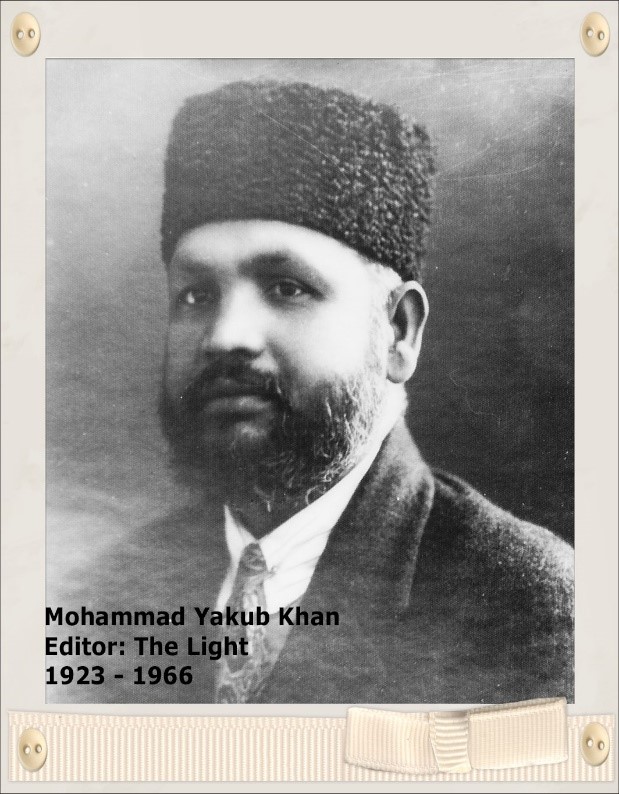
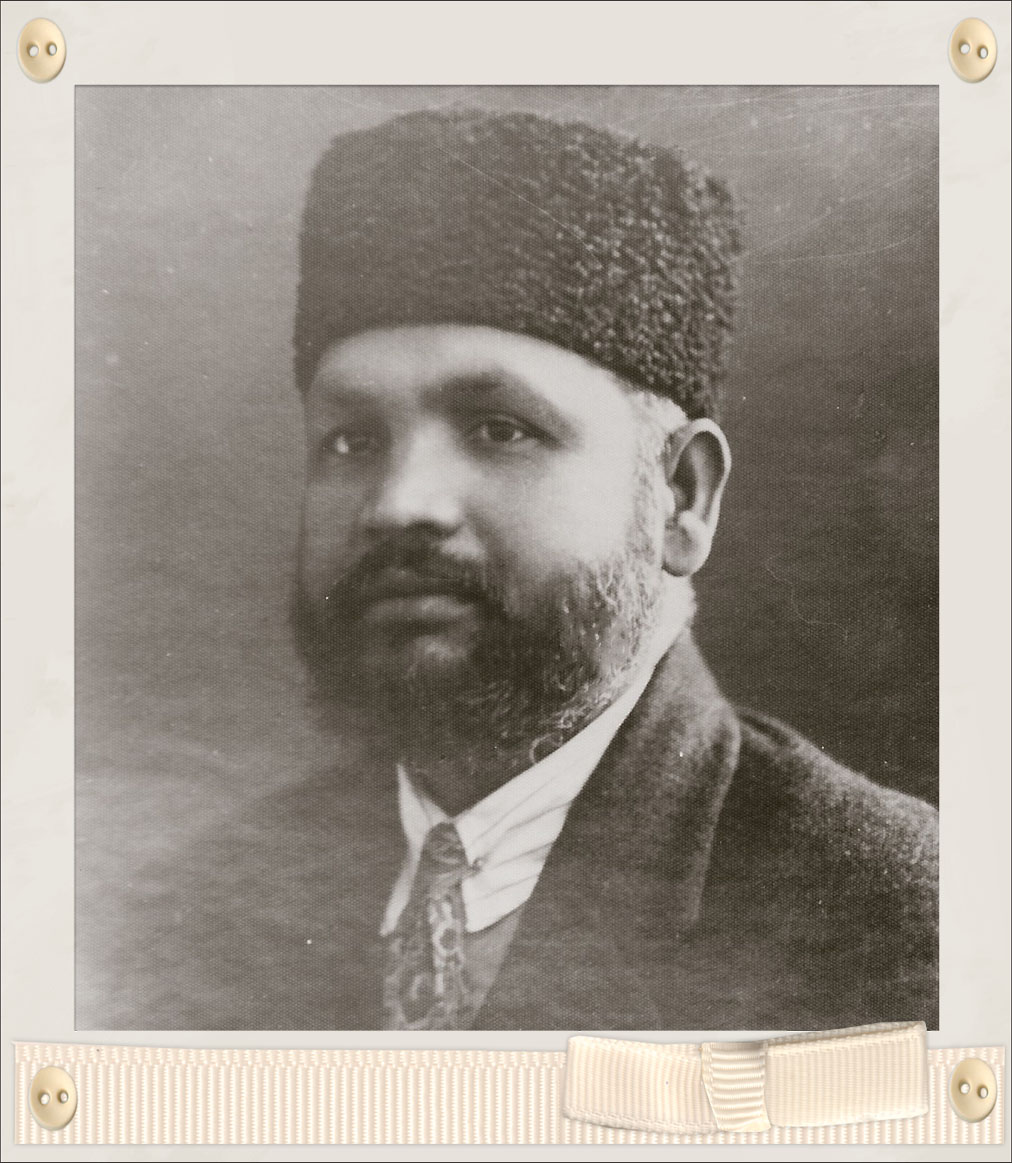
Mohammad Yaqub Khan
(Member All-India Kashmir Committee)
Editor: The Light October 24,1931.
Seeing is indeed believing. I had read harrowing reports of the recent reign of terror that the Valley of Kashmir has gone through. Yet what I saw with my eyes passes all I could imagine. I have wandered through many parts of India and have seen good deal of the woo and misery of man. But nowhere is the picture so thoroughly gloomy, so bereft of any ray of cheer, so heartrending.
Being deputed by the All-India Kashmir Committee to visit Kashmir and study the situation for myself. I left on the 14th.instant for that unhappy valley – and this by the way is responsible for the omission of the issue for the October 16, for which I must tender an apology to the readers (of The Light). I spent full six days right on the scene of the recent tragic events. I ran from place to place. I saw, I talked, I listened. And now when on my way back, at Kohala Dak Bungalow, I sit down to sum up sum total of my impressions, I can find no better description for the state of things in Kashmir than to say that that so-called Happy Valley is literally a Valle of Tears.
I have italicised the word “literally” advisedly. Wherever I went to ascertain facts and see things for myself, even in remote villages, I was actually greeted with tears. Men, women and children as they frantically ran up from all sides and clustered around me, recounted their tale of woe in the midst of sobs and tears, shrieks and groans. Men indiscriminately and wantonly shot down, as though for mere sport, lorry loads of the survivors hand-cuffed and packed-off to Srinagar Jail, some stripped naked, tied to the nearest tree and caned under the eyes of their relations, friends and fellow-villagers, women stripped naked, their chastity violated by an unbridled soldiery, yet others formed into lines, made to shout “Islam murda bad”, ”Hindu Dharam ki jai” and prostrate before the State flag – having gone through all this, these wretched fellows had good reasons to shudder and shriek even at the recollection of this reign of terror.
One can very well understand women and children sob and weep at the thought of torture but to see even grown up men burst into tears is a sight that should melt the stoniest of hearts. This struck me as the greatest sin of the State – this systematic emasculation of the people, this crushing all manliness
out of them. Yet this exactly was the one dominant passion with which the State soldiery was let loose upon defenceless people. Every time that a man was given a number of stripes, he was mocked with words, “You want 70 percent of State posts? Here are 30 for the present,” referring to the number of stripes.
But this is no place for details. If a Commission for Inquiry, independent in the true sense of the word, not the sort of Dallal Commission consisting of State servants – were appointed to lift the curtain from these occurrences, it will reveal a most ghastly picture of man´s inhumanity to man. On the strength of what I have been able to ascertain from sources whose authenticity and respectability is beyond reproach, I can without the least fear of contradiction, challenge the State authorities to disprove that firing has been indulged in in a most wanton manner, that women´s honour has been violated, the flogging has been done in public and people made to shout, “Islam murda bad.”
What Czardom was in the West, Dogra Raj is every inch in India. The same unbridled despotism, the same oppression, the same down trodden peasantry groaning under a number of heavy taxes, semi-nude, semi-starved. This on the one side. On the other, an oligarchy which has monopolized all the good things of life to itself, lost to all sense of humanity and given to an orgy of self-indulgence! And as one walks through the streets of Srinagar, with this double picture around him, one can see the writing on the wall, pointing to the inevitable catastrophe towards which events are fast drifting. It is unlikely that an aristocracy drunk with power and blind-folded by false splendours of Court will sense the danger and part with some of its power to alleviate the lot of the people. It would be belying history. Revolution, Nature´s own method to restore equilibrium in human affairs, seems to be the only way out of it and things are fast drifting towards it. It must, of course, be a passive revolution on the part of the people. It may mean more bloodshed of the people but as one young man told me, quoting the words of Mahatama Gandhi, even if the whole lot of three million of Kashmiris were exterminated, they were prepared to pay the price for freedom from this reign of feudal oppression of the Dark Middle Ages which meant a slow, torturous, daily, hourly, death, inch by inch.