ISLAM`S ATTITUDE TOWARDS AND RELATIONS WITH OTHER FAITHS
اللَّهُ نُورُ السَّمَاوَاتِ وَالْأَرْضِ
 ISLAM`S ATTITUDE TOWARDS AND RELATIONS WITH OTHER FAITHS
Universality of Divine Revelation the exclusive contribution of Islam to the Religious Thought of Mankind
The First Chapter of Human Rights granted by The Qur`àn
Unification: Co-operation: Co-existence
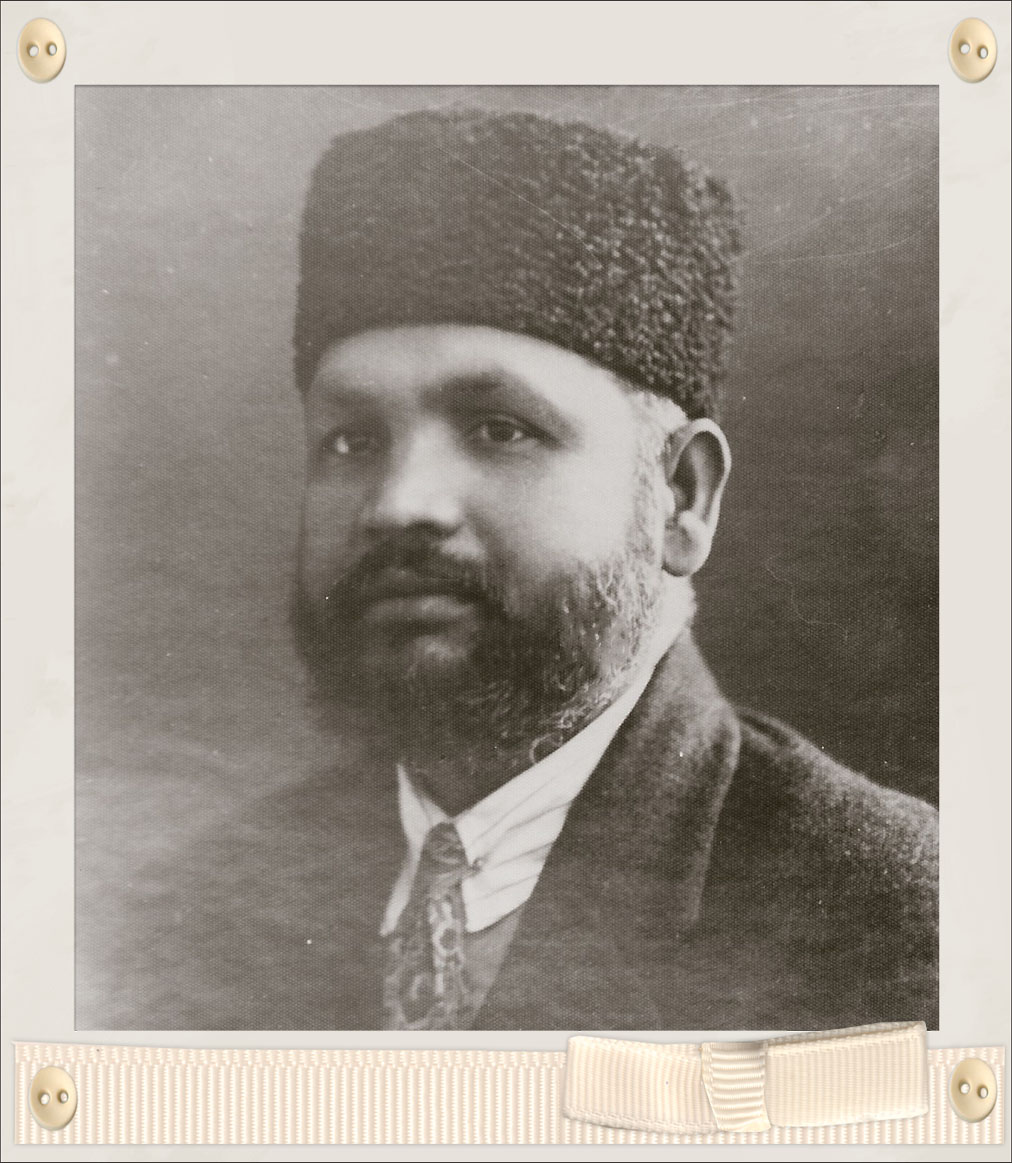
By Muhammad Yakub Khan
(The Islamic Review-March 1959)
“This Qur`ànic declaration of La Ikraha fi al-Din (No coercion in the matter of religion) may justly be described as the first Magna Carta of intellectual freedom that was given to humanity. That in this age of enlightenment the United Nations should make freedom of thought and conscience the corner-stone of its Charter is understandable. But to have proclaimed the sanctity of the human personality and the birth-right of the individual to follow the light of his own conscience in an age when despotism and social tyranny were at their height could be possible only through the light of revelation which the Qur`àn brought.”
Sources of all religions are one
Islam`s attitude towards other faiths covers three alternative levels. At the highest level, Islam tells other revealed faiths:
“We are, in essence, all one. What you Founders taught was exactly what constitutes the sum and substance of the Qur`ànic revelation, viz., doing God`s will, which is Islam´s literal meaning as well as the burden of its message. The Qur´án is no new message, it only recapitulates the teachings of all the previous scriptures in their pristine purity” (The Qur´án, 5:48; 98:3)
Hence in accepting the Qur´ánic revelation, you will, in fact, be recapturing what your Founders really taught, but was lost through the ravages of long ages. This is the basic attitude of Islam toward other faiths, which needs greater appreciation than it has hitherto received.
Islam invites all religions to co-operate for a common objective
Before, however, I pass on to a fuller treatment of this basic Islamic philosophy of religion, I would dispose of its two other less alternative attitudes. One of these calls other revealed faiths towards mutual co-operation on the basis of the common factor of faith in god with a view to promoting the cause of truly spiritual values and combating the forces of materialism and Godlessness. This attitude has been laid down in explicit words in the verse:
“Say: O people of the Book, come to a proposition which is common between us and you, that we shall worship none but God, and that we shall not associate ought with Him, and that some of us shall not take others for gods besides one God” (The Qur´án, 3:63)
On this verse were based the epistles which the Prophet ﷺ addressed to three neighbouring rulers of the day and despatched them by special emissaries. The one addressed to Makaukis of Egypt, unearthed in the original in recent times, contains this verse word for word, which, incidentally, establishes the authenticity of the Qur`ánic text that has been handed down to us. It is thus obvious that Islam, from its very inception, has aimed at bringing all the religions of the world closer together, and extended a hand of fellowship towards them.

The attitude of hostility that, unfortunately, came to mark the relationship of Islam and its immediate neighbouring revealed religions – Judaism and Christianity – was certainly not of Islam´s seeking. It was thrust on it, in spite of itself, by the political exigencies which, inevitably, entangle religious movements.
Islam´s friendly attitude may be judged from the well-known historical event when a Christian deputation from the Province of Najran (in the Yemen) called at Medina to examine the Prophet´s credentials to the claim of being God´s messenger. The deputation was received with all honour and hospitality, and, for want of better accommodation, was invited to put up in the Prophet´s mosque at Medina. When Sunday came, and the visitors expressed anxiety as to where they could hold their services, the Prophet told them they were welcome to hold it in the mosque itself.
Co-existence between religions is necessary
The last and not the least decent relationship which Islam wants to subsist between man and man, whether following some revealed religion or not, is one of co-existence. Since perhaps it is a council of perfection for all faiths to appreciate Islam´s high-level exposition of religious truth as consisting in its principle of the universality of revelation and the basic identity of the message of all revealed religions, and since co-operation in a common cause is also too high an objective for popular appreciation and response, the only other practical proposition possible is that of co-existence. And this Islam offers to all others in no uncertain terms in the verse:
“Say, O disbelievers! I worship not that which you worship, nor do you worship Him Whom I worship. You follow your religion, I follow mine” (The Qur´án, 109:1-6)
Universality of revelation
To revert to the main current of inter-religious relationship indicated in the beginning, it stems from two principles which
constitute the very foundation of Islam. These are: (1) universality of revelation; and (2) complete freedom of conscience.
Universality of revelation itself flows from the concept of the unity of God. The Divine Being, as pictured in the Qur`àn, is the Creator, Sustainer and Upbringer of the whole of mankind – indeed of the whole of the universe. It follows as a logical corollary from this basic concept that God must be equally interested in the moral and spiritual well-being of all nations, irrespective of race, colour, time or location, even as His bounties meant for the physical sustenance and nourishment of man make no discrimination between man and man. Revelation, which is indispensable for man´s spiritual development, according to the Qur`àn, was, therefore, vouchsafed for man´s guidance from the very dawn of human life on this earth. Says the Book:
“There has not been a nation, but a warner was sent unto it” (35:34).
Faith in the fact of universality of revelation is thus the corner-stone of Islam. The very first chapter of the Qur`àn after the Fatihah, which in a way is the preamble to the Book, lays down faith in this truism as the basic element in a truly religious attitude. This Book purports to be a guidance, so run the opening verses of this chapter, for those who, among a few other basic things, believe in the Qur`ànic revelation as well as in all the pre- Qur`ànic revelations.
All these revelations are considered to have been the vehicle of one and the same message – viz., faith in God and doing His will. In fact, complete self-surrender to God´s will is the literal significance of Islam as well as the sum and substance of its message. That was the message brought by all Founders of religions in their day to their respective people in their own languages. In other words, Islam in the sense of doing God´s will was the common message given to mankind age after age through the various prophets. Of Abraham, for istance, it is said that when God said unto him Aslim (surrender thyself to God´s will), he said: “I do surrender myself to God´s will”
(The Qur`àn, The2:131). Words aslim and aslamtu used here are derivatives from the same root as Islam. The same is the description given of other religious teachers mentioned in the Qur`àn.
Islam, in this broader sense, is thus as old as mankind – Judaism, Christianity and other revealed religions being so many of its manifestations in different epochs of history. The Qur`ànic revelation was the last link in the same chain.
Faith in all world prophets is enjoined by Islam
In keeping with this basic outlook on the relationship between God and man, religion, in its basic significance, considered to have been one and the same throughout the ages, the various prophets being just so many channels for that same light. A Muslim is therefore enjoined to profess faith in Divine origin and mission of all the world prophets (The Qur´án. 2:136), of whom some are mentioned in the Qur´án by name, while all the rest have been referred to in a general way in the words:
“And certainly, We sent messenger before thee – of them are those We have mentioned to thee, and there are those we have not mentioned to thee” (The Qur`àn. 40:78)
The Qur`ànic teaching on the point does not stop short at this. Mere acceptance of all world teachers, including the Prophet Muhammad ﷺ, is not considered enough. Carried to the logical conclusion, the principle of universality of revelation connotes that all the world prophets were but one family, and so far as their acceptance is concerned, a Muslin has been enjoined not to make any discrimination between them. A Muslim, according to the Qur`ànic conception of the term, cannot be a Muslim unless he accepts Abraham, Moses, Jesus and all the other world prophets as much as the Prophet Muhammad ﷺ (The Qur´án 2:136) The reason advanced for this attitude of non-discrimination is specially noteworthy. We are to accept all without any discrimination because, it is argued, what we
are concerned with is the Divine light they brought, which was one and the same.
The emphasis on non-discrimination between the Founders of the world religions shows a profound psychologic insight releasing a tremendous force for goodwill between the followers of various religions. An incident from the Prophet´s life should give an idea of the importance this principle carried in the Prophet´s eyes as a potent factor for promoting inter-religious goodwill. An argument between some Jews and Muslims as to the comparative greatness of Moses and Muhammad led to a fracas between the two parties. When the news was brought to the Prophet ﷺ he deprecated this kind of invidious comparison between prophets and prophets: al-Anbiyáu Ikhwatun (all prophets are brothers) he declared.
Identity of moral teachings
Besides this basic significance, which concerns man´s relationship to God, another aspect of religion concerns man´s relationship to man. Here again, all revealed religions according to Islam, are agreed on the need of right conduct. Faith in God and right conduct (Iman and Aá maal a salihah) are the two rails, as it were, on which man must steer the course of his life if he is to attain the state of bliss known by different names in different religions.
Self-surrender to God and kindliness towards fellow-man sums up the essence of religion in Islam. That is how the Prophet ﷺ himself, in reply to a question to give the substance of religion, put in a nutshell the whole of the teaching of Islam: Al-Azmato lillah, wa Shafqato ála Khalq illah (a sense of God´s majesty and kindliness towards His creation) was the brief answer he gave. In this aspect of religion pertaining to what may be called man´s moral behaviour, the teachings of all religions, according to Islam, were essentially the same. All enjoined the need of right conduct and love of fellow-man.
Diversity in devotional practices is recognized by Islam
There is a third aspect of religion, however, which, though perhaps the least in the scale of importance, is commonly taken by the multitude of the faithful to constitute the whole content of religion. These are the devotional practices prescribed by various religions.
The Qur´án takes good care to draw a line of demarcation between these and the real essence of religion. Time and again has it been emphasized. God Himself, says the Qur´án, does not force an end, not the end in themselves, and unless the real purpose underlying these is achieved, these observations carry little value. This is how the Qur´án deprecates ritualism devoid of the moral and spiritual content these devotional observances are supposed to underline:
“It is no virtue that you turn your faces towards the East and the West, but virtue consists in this that one may have a faith in God, in the Last Day, the angles, revelation, and prophets, and give away wealth, out of God´s love, to the near of kin, the orphans, the needy, the wayfarer and to those who ask for help, and to set slaves free” (The Qur´án, 2:177).
Likewise, about animal sacrifice it has been made perfectly clear that unless it induces a mental attitude of self-surrender and self-sacrifice in the path of God, the act of sacrifice, as such, is of little value.
In respect of devotional practices, Islam recognizes diversity. Different religions, it teaches, prescribed different devotional practices for their followers, and in their day, all were equally good and valid. The Qur´án describes these as manasik, which took different forms in different dispensations, as declared in a clear verse:
“To every people We prescribed practices of devotion which they observed” (The Qur’an, 22:67).
The implication that follows from this recognition of diversity in religious forms is of far-reaching value for inter-religious harmony. It is mostly the forms of worship that divide followers of various religions in mutual understanding and sympathy. Recognition of the scope of diversity in these forms should naturally remove one big cause of division between religion and religion. Muslim mystics have throughout the ages sung of the underlying unity in the diversity of forms and rituals observed by various religions. In their spiritual flights they go to the extent of seeing no difference between the
Ká bah and the temple of idol-worship. What they meant to emphasize was the underlying urge in both, viz., the quest after God.
Freedom of thought and conscience is a basic thought of Islam
The other basic teaching of Islam which determines its attitude towards other religions is complete freedom of thought and conscience. La Ikraha fi al-Din (No coercion in the matter of religion) is the categorical declaration of the Qur’an. Freedom in the choice of religion is repeatedly emphasized. God Himself, says the Qur´án, does not force a choice on man. He just shows the right way through the light of revelation and leaves it to man to accept it or reject it (The Qur´án, 76:31). From this fundamental concept spring the virtue of tolerance, and the right of freedom of profession, worship, preaching and conversion.
Differences of opinion must not only be tolerated; they must be respected. If on the one hand there can be no compromise in the matter of Truth, and notions of religion which Islam considers wrong must be rebutted, it is urged on the other that the rebuttal must be free from all sting of bitterness. Argument with other faiths must be couched in the best of taste, and the approach to convince others must be in the best of forms. There is a specific verse to lay down this rule of inter-religious argument:
“Call (people) towards the path of God with words of wisdom and goodly exhortation, argue with them in the goodliest of manners” (The Qur´án, 16:125).
The first Charter of Human Rights granted by the Qur´án
This Qur´ánic declaration of La Ikraha fi al-Din (No coercion in the matter of religion) may justly be described as the first Magna Carta of intellectual freedom that was given to humanity. That in this age of enlightenment the United Nation should make freedom of thought and conscience the corner-stone of its Charter is understandable. But to have proclaimed the sanctity of the human personality and the birth-right of the individual to follow the light of his own conscience in an age when despotism and social tyranny were at their height could be possible only through the light or revelation which the Qur´án brought.
The great possibilities inherent in the principle of universality of revelation and the common fraternity of all the Founders of revealed religions gain special point in the present era of nuclear energy and the Sputnik, when humanity finds itself driven to the edge of precipice where it must either explore the emergence of a new world based on universal human fellowship and spiritual values or take the inevitable plunge into total extinction. One-world and one-world State are no longer themes for academic literature. Day by day they are becoming humanity´s essential for its very survival. The latest of these new concepts to dawn the intellectual horizon of modern man is that of World Religion. It is now being increasingly realized as, in the domain of the conquest of nature, man takes one startling stride after another, that if these newer and newer demons that are being unleashed from the scientific lamps of modern Aladdins are not to turn round on their own authors and smash this civilization to pieces, humanity must perforce hearken back to the voices from on High that were raised for the world´s spiritual luminaries throughout the ages, and rediscover and rehabilitate the spiritual basis of existence.
The threat posed by the modern weapons of total destruction are a challenge to all the revealed religions of the world to pool their spiritual resources to combat the forces of materialism and reconstruct society on the foundations of God, and doing His will, which was the burden of the messages of all the Founders of the revealed religions. That is the conclusion which the leading and most impelling exponent of this new cry of a universal world religion Professor Arnold Toynbee, has arrived at in his latest book, Civilization on Trial, London, 1930.
An historian´s approach to Religion
After surveying the rise and fall of civilizations, religions and cultures, he spotlights one central failing as the cause of the decline and decay of all of them, which he describes as self-centredness. Revealed religions themselves, which have been the last hope of humanity in the present-day international problems and threats, he regrets, suffer from this same failing of self-centredness in so far as they confine the gift of Divine revelation to their own particular people whom they regard as the Chosen People of God. This is how he describes this weakness of revealed religions in his above-mentioned book (pp.132.33).
“The historian´s point of view is not incompatible with the belief that God has revealed Himself to man for the purpose of helping man to gain spiritual salvation that would be unattainable by man´s unaided effort; but the historian will be suspicious, a priori, of any presentation of this thesis that goes on to assert that a unique and final revelation has been given by God to my people in my time, on my satellite or my son in my galaxy. In this self-centred application of the thesis that God reveals Himself to His creatures, the historian will espy the Devil´s cloven hoof.”
And he goes on to postulate:
“If an historian ever did come across any such rationally
unself-centred application of the belief that God has chosen some particular people to be the recipient of His revelation, the disinterestedness of his findings would be a strong ground for investigation them very sympathetically and seriously.”
In plain words, the historian says that it stands to reason that God should reveal Himself to man, but what an historian will not concede is that God should do that favour to any chosen people to the exclusion of the rest of humanity. Any student of the Qur´án will bear out that this is exactly the stand on the phenomenon of revelation which Islam takes. What has dawned on the mind of one of the world´s foremost thinkers in tis twentieth century of enlightenment and universality of outlook was proclaimed repeatedly fourteen centuries ago in the words:
“And every nation had a messenger “(The Qur´án, 10:47).
“Indeed, thou art only a Warner, and unto every people there has been a Guide” (The Qur´án, 13:7).
“There has not been a nation, but a Warner was sent to it” (Qur´án, 35:24)
Universality of Divine Revelation the exclusive contribution of Islam to the religious thought of Mankind
Universality of Divine revelation is, indeed, the exclusive unique contribution of Islam to the religious thought of mankind. The Qur´án specifically deals with the Chosen People idea and deprecates it as a man-made myth. Says the Book:
“And the Jews and the Christians say: We are the sons of God and His chosen ones. Say: Why does He then punish you for your sins? Nay, you are (as much) human beings as the rest of His creatures” (The Qur´án 5:18)
Indeed, no idea is more repugnant to the whole tenor of the message of Islam which conceives of the whole of humanity as something like one family under the common Fatherhood of God. The Qur´án makes it a point to eradicate this tendency of the human mind which makes all good the monopoly of one´s own people and sees no good in others. Citing the Jews as saying, “that the Christians have no good in them” and the Christians as saying the same of the Jews, the Book generalizes and describes this frame of mind as being born of ignorance. This is how it deprecates this self-centred attitude:
“Even so said those who have no knowledge like what they (the Jews and the Christians) say “(The Qur´án, 2:113)
Apart from the narrow religious sense, in the general sense of human behaviour as well, the Qur´án thus deprecates the monopolistic frame of mind:
“O you who believe, let not one people mock other people; maybe they are better than themselves” (The Qur´án, 49:11).
The Qur´án goes much further and recognizes good in others wherever it is found. After enumerating certain iniquities committed by the Jewish people, it hastens to add that the Jews are not bad, saying:
“They are not all alike. Among the People of the Book there is an upright section who recite God´s messages at night time and who adore Him” (The Qur´án, 3:113).
By unsparing denunciation of the Chosen People idea and the monopolistic attitude and by inculcating the universality of the gift of revelation, Islam has indicated the only path along which, as visualized by Toynbee, it becomes something within the realm of practical politics for the world´s revealed religions to merge themselves into a universal world religion, thereby supplying one of the most crying needs of contemporary civilization.
Even if that consummation is a counsel of perfection and is destined to remain a distant ideal, these twin principles of Islam – universality of revelation and faith in all the world prophets – constitutes the only practical basis on which the world´s revealed religions can meet together as friends and colleagues in a common quest and pool their spiritual resources to combat the forces of Godlessness.