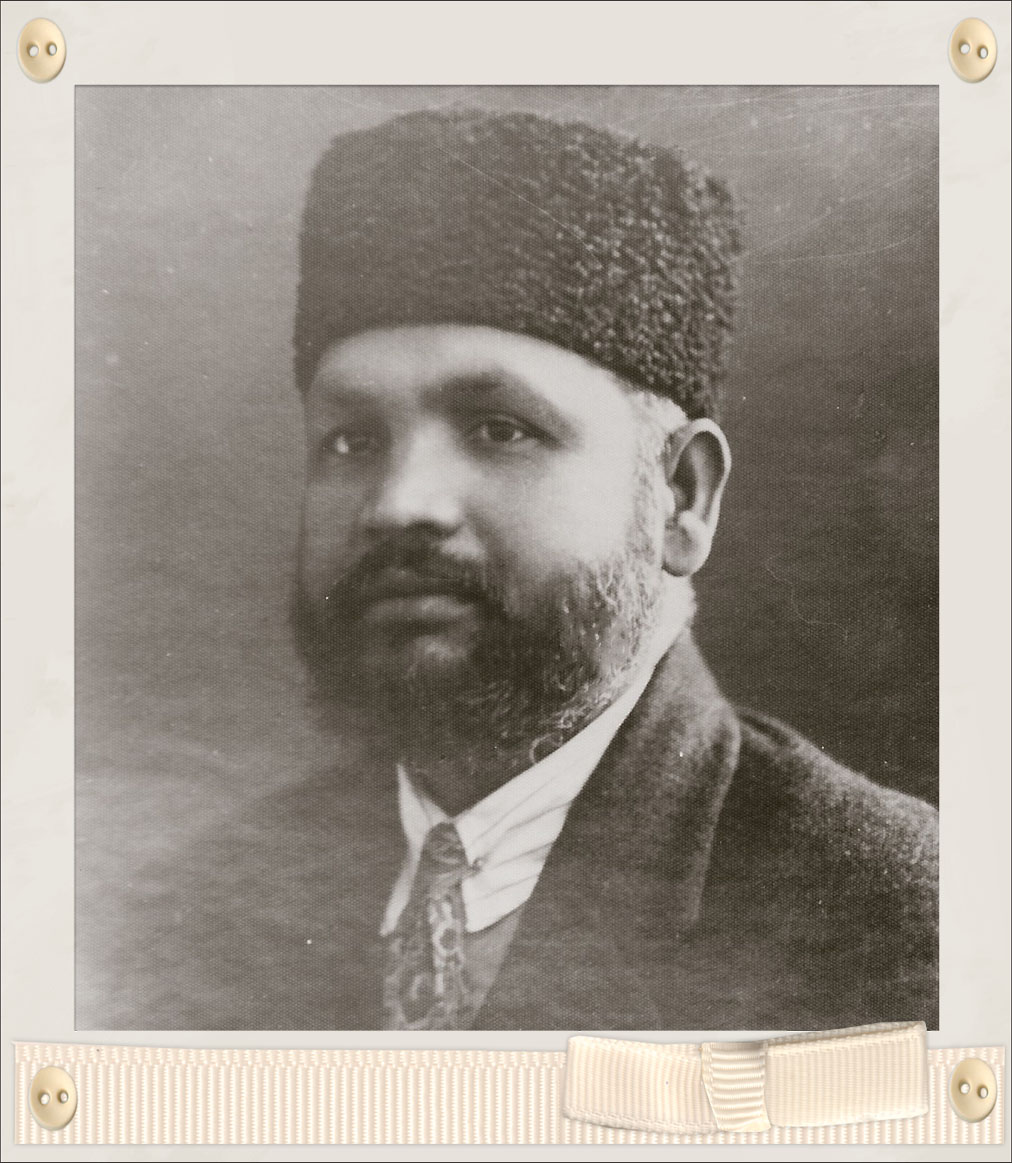
IN MEMORY OF QUAID-I-AZAM

Indian Delegates
3rd December 1946: Leader of the Indian Muslim League Muhammad Ali Jinnah arrives at London Airport with viceroy and governor-general of India Lord Wavell.
WHAT MADE HIM THE FORCE HE WAS
” Look here! No surrender unless they lift us bodily and throw us into Arabian Sea.”
SEPTEMBER 11 is sacred in the Calendar of Pakistan to the memory of the Quaid-i-Azam Muhammad Ali Jinnah. On this day two years ago was extinguished the flame which breathed new life into the dead bones of Indian Islam, galvanized it with the glow of a high ideal and created a nation, a country, an independent sovereign state, out of mere dust, as it were. History alone will adjudge his due stature among the liberators and nation-builders of mankind.
Two years have passed since this great freedom fighter laid down his life, fighting the “battles” of Pakistan. His very name, however, is still a magic that enthuses a Muslim’s heart and a magic it will remain, so long as Pakistan is true to the great ideals of undaunted courage, selfless service, sincerity of purpose, a high sense of integrity and, above all an iron determination of which this great figure of contemporary history was an embodiment.
Muhammad Ali Jinnah did not rise to fame and fortune by a mere turn of fortune. He worked his way up to that position of power and glory by sheer force of character. His triumph was the triumph of the great virtues, which he had, through a life of studied self-discipline, striven and struggled to cultivate. Scrupulous honesty in thought and deed as well as in dealings with friend and foe and hard work were the keynotes of his personality. Even as Governor-General where his advanced age and the worries of a newly founded state were telling upon his health, he would not spare himself and worked at his desk for long hours, in the midst of heaps of files and papers. When reminded by one of his devoted lieutenants to take pity on himself for the nation`s sake which needed him for a long time to come, he replied:
“I cannot help it. It is an old habit with me. I never sign until I have studied the whole case and satisfied myself”.
Sardar Abdus Rab Nishtar, Punjab Governor, while presiding at the death-anniversary meeting at Lahore on September 11, had many other incidents to relate which throw light on the working of the Quaid-i-Azam´s mind. His Pakistan campaign took him to the village headquarters of a well-known Pir in the Frontier. The Pir and the Ulema who had assembled on the occasion, for once forgot their superior sanctity and pose and “danced attendance” on him. On the way back when he was asked how was it that he commanded so much attention in quarters which are accustomed to homage from others, he replied:
“Because they feel Muslim interests are safe in my hands and I will never betray them.”
The aftermath of partition, the systematic slaughter of Muslims in East Punjab, carnage in running trains, mass exodus of millions tramping across the Indian border and the avalanche of difficulties that were, according to plan, let loose upon Pakistan in the hope of stifling the baby state at its very birth, made the whole outlook so dark and dreary. For hours, as Nishtar disclosed, his handful of trusted lieutenants, sat closeted with the Quaid-i-Azam, discussing the situation and groping for a ray of hope in an otherwise thick pall of gloom and despondency without finding any. When at last they rose to disperse, the Quaid-i-Azam, seized with a sudden impulse, turned round and pointing his forefinger towards them said in one of his pre-emptory tones:
“Look here! No surrender, unless they lift us bodily and throw us into the Arabian sea.”
It was a man of such mettle, a man of such high standard of conscientiousness, that wrought the miracle of Pakistan. It was, as said before, a miracle of the high qualities of character which Muhammad Ali Jinnah had sedulously cultivated all his life. Pakistan was the crowning glory of certain principles of life which he had made his own. If those upon whose shoulders his mantle has fallen want to inspire the nation with the same unity of front, the same force of faith and the same discipline of ranks which characterized the struggle of Pakistan, they should begin with themselves and cultivate the high virtues of self-less service, unsparing application and whole-hearted devotion which made the Quaid-i-Azam the force he was.
It is leadership that determines the complexion of the followers.
M.Y.K.
(The Light – September 24, 1950)