HOMAGE TO ISLAM
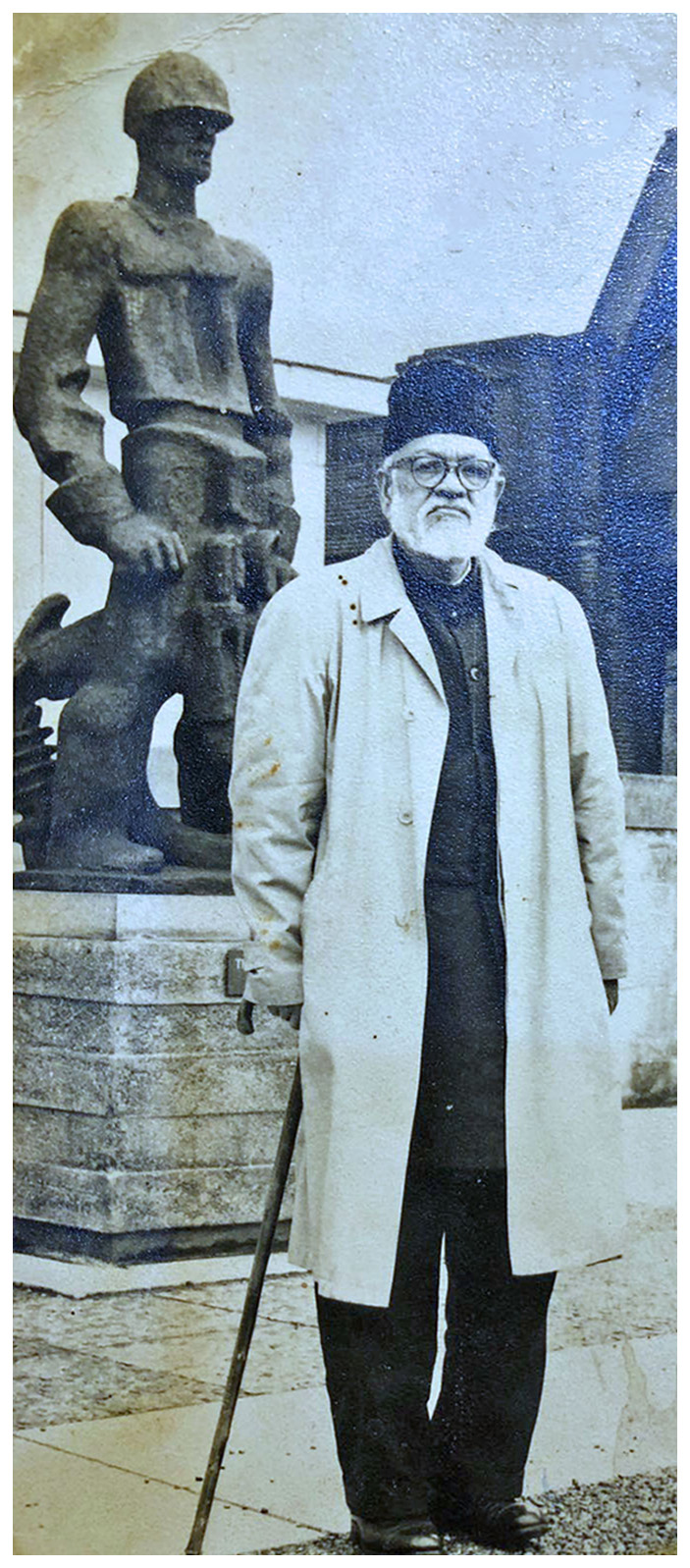
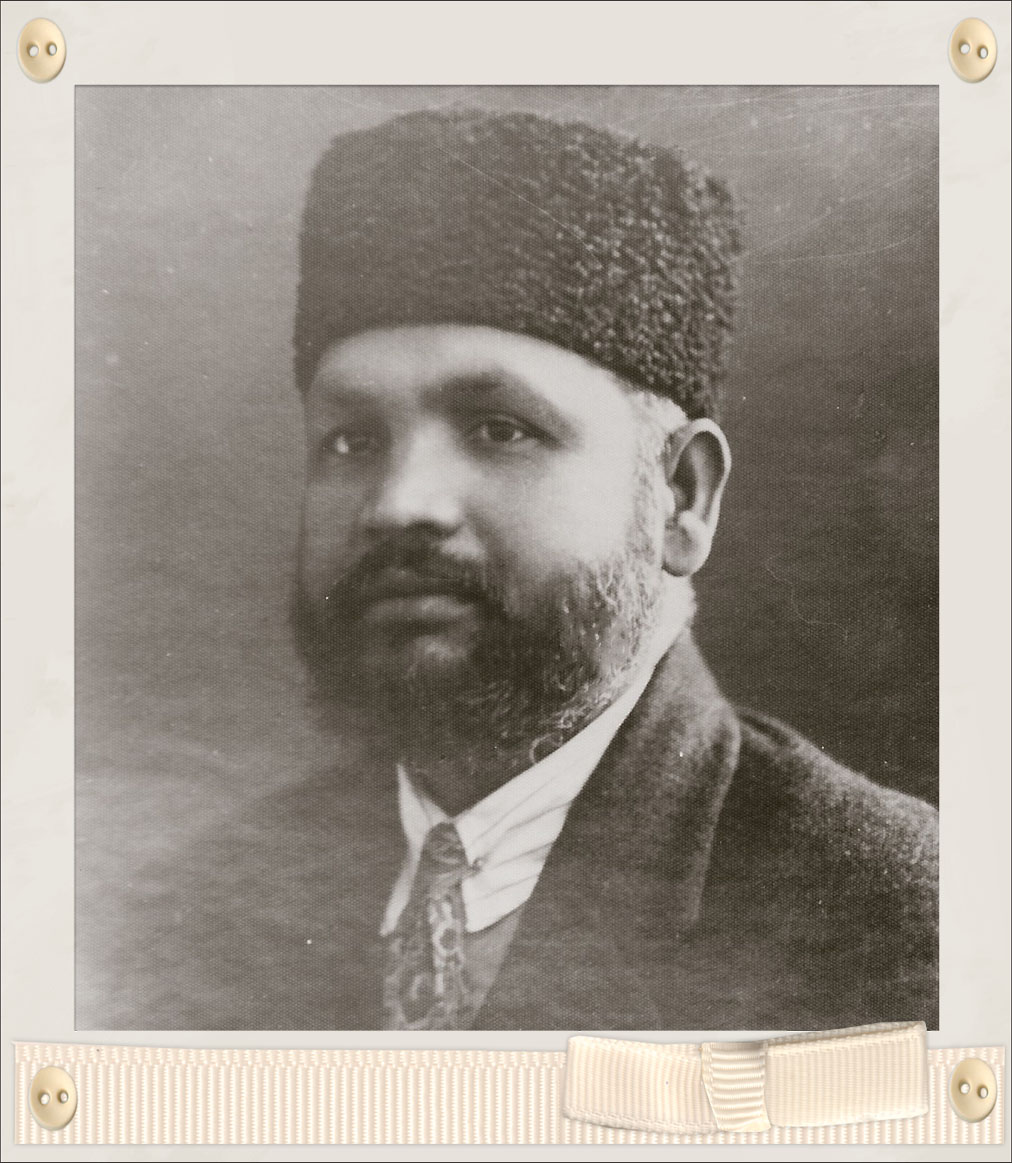
Muhammad Yakub Khan
The greatest strength of the religion of Islam lies in its appeal to human nature. That explains its phenomenal spread over a large part of the world at its very inception. That is the main force behind its rapid spread in Africa without such external aids as funds, organisation, talent and political influence which have been available to Christianity.
The latest instance of the intrinsic worth of the teachings of Islam will be found in the Easter Sermon of a top-ranking British Church dignitary, Archbishop Godfrey of West-minister Cathedral who declared that “war was, not intrinsically wrong. Even a major war could be justified, provided it was one in which the basic values of human life were at stake.” He even justified the use of nuclear weapons “in certain circumstances involving self-defence.”
There can be no two opinions that the archbishop’s declaration makes perfect good sense. What we would, however, like to point out is that it is an echo of the teachings of Islam on the subject of warfare, in no way compatible with Christianity’s central theme of non-resistance to evil.
A passing reference to the pages of the Quran will bear out that while denouncing aggressive wars as an outrage, it permits the wielding of the sword when it is forced on a people in defence of hearth and homes, freedom of conscience and human rights.
Western critics of Islam have for centuries past branded it as a cult of the sword. It painted the Prophet ﷺ as carrying the sword in one hand and the Quran in the other. All this misrepresentation went on in, complete disregard of the fact that the very first verse about war begins with the word Uzina – i.e. “It is permitted”. The verse says, “Permission to go to war is given to those against whom war has been made.” Another verse lays down:
وَقَاتِلُواْ فِي سَبِيلِ اللّهِ الَّذِينَ يُقَاتِلُونَكُمْ وَلاَ تَعْتَدُواْ إِنَّ اللّهَ لاَ يُحِبُّ الْمُعْتَدِينَ
(Al-Baqara (The Cow) 2:190)
”And fight in God’s way, against those who fight against you, but be not aggressors. Surely, God loves not the aggressors.”
This is plain common sense. To offer no resistance to the invader is to put premium on warfare. The whole of worldly progress of society would go to pieces, should non-resistance to evil become the rule. Forgiveness of the enemy or the wrong doer is no doubt a great virtue, but that is something quite different from non-resistance to aggression. The proper occasion for forgiveness comes only after violence has been manfully resisted and disarmed. The Prophet ﷺ manifested both these virtues in the highest degree. When the foe unsheathed the sword to extirpate the Muslim community at the point of the sword, the Prophet ﷺ, along with his small band of followers, weak and ill-equipped as they were, took up the challenge, meeting force with force. When, however, the power of the enemy had been finally crushed, that was the end of all enmity. The fallen foe was picked up from the dust, shaken by the hand as an equal and a friend, and set at large. A great German Muslim Dr. Marcus described the Prophet’s treatment of his enemy at the fall of Mecca as the first act of chivalry – a virtue practised by him long before it came to be highly extolled in Europe in the Middle Ages.
During recent times, non-violence came into great prominence as a result of the independence struggle in this sub-continent. It was, however, a case of making a virtue of necessity. It was in the interest of the cause to keep the struggle non-violent, but for which it would have been nipped in the bud. No doubt, the leader of the struggle, Mahatma Gandhi claimed for it a moral basis, with an eye perhaps on the Christian mental background of the alien power that was to be dislodged. For a time, Gandhism was the boom of the day, being boosted as the discovery of a new weapon which held the promise of outlawing war altogether from human relations. As a matter of fact,
however, it was a matter of expediency, being the only weapon which a weak nation could effectively wield. This is borne out by the fact that as soon as independence was won, non-violence was discarded, and the first thing ”non-violent” free India did was armed aggression against Hyderabad, Junagarh and Kashmir. The respectable label under which it was done, viz., that of ”police action” did not make it any the less violent. What clinches the whole issue, the armed action against Kashmir was taken with the concurrence of Mahatma Gandhi himself, the apostle of non-violence, as was disclosed the other day in Parliament by India’s Prime Minister. Indeed, the whole line taken by India’s development as a free country has been a refutation of Gandhism hectic military build-up, stockpiling of armaments and all the rest of it.
The point we want to make is that in human affairs there do arise circumstances necessitating the use of arms. However much one would like to see war outlawed, the fact remains that so long as human nature is what it is, war cannot altogether be eliminated. Soviet Russia is the loudest of all the nations of the world in tall talk about world peace, co-existence and disarmament, but she is leading in the race of armaments, stockpiling.
Islam is a religion of peace. That is its literal meaning. That is its avowed object to promote. That is the trend and purport of its teachings. Nevertheless, the best guarantee of peace, it would seem, lies in one’s capacity to resist aggression. Hence the middle course commended by Islam, a system rooted in the demands of human nature: Neither aggression nor abject surrender to aggression.
Aggression has been condemned as incurring God’s displeasure, but fighting when dictated by the defence of conscience, country, honour or human rights becomes a duty. Despite lip-homage to non-violence, the world, in actual practice, lives up to the matter-of-fact teaching of Islam to be pre-pared, if need be, to fight in self-defence. This is a homage which man-made systems perforce have to pay to a system rooted in Divine wisdom.
Whether we like it or not, we cannot help it. War has come to be a necessary evil in this imperfect world of ours. Is there some deeper Providential wisdom underneath this seeming evil? Is it intended to bring out the finer mettle within us? Is it a lever to lash us on to greater and greater endeavour? Is eternal peace going to spell the stagnation of human faculties, and the ultimate decline and decay of the race? Whatever the reason and whatever the wisdom, we find the course irrevocably set for us – a course which we dare not ignore if we wish to preserve the highest values which make life worth living. It lies in seeking peace through strength, weakness being the surest path to inviting aggression.
M.Y.K
(The Light – Wednesday, April 16, 1958)