EDUCATIONAL RECONSTRUCTION
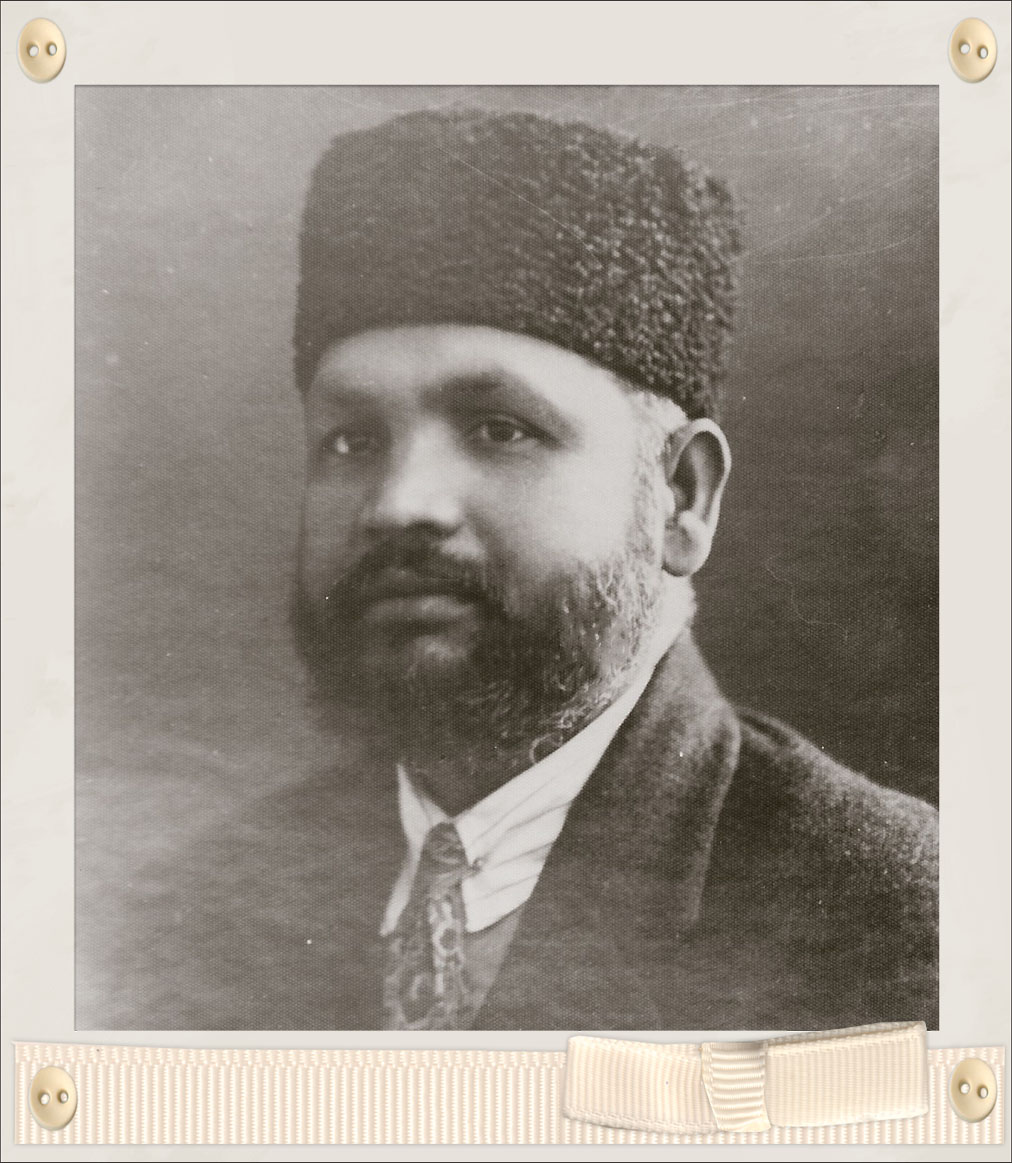
Mohammad Yaqub Khan
Editor The Light
AS a slogan we have had the above two words very much in the air ever since independence. Politicians, administrators, educators, social workers – it has been a pet theme with every body to decry the existing British-made system of education and the need for its reform and reconstruction in the context of freedom and the new demands as a free people. But with all this hue and cry education has remained where it was. Indeed it has registered a steep fall in respect of standards of efficiency compared to pre-partition standards. This deterioration is exercising the minds of both teachers and parents. One explanation recently advanced by two eminent local educators, both University Professors, was the general all-round deterioration in the level of efficiency and integrity in the social environment. Since, however, we now want to undo this bad, past, clear up the 11-year-old mess, and turn a new leaf, no time has been lost by the new Government to proclaim its determination to gear up the educational machinery, and reconstruct the system, so as to bring up a new generation capable of the drive and leadership and sense of civic responsibilities which the demands of freedom call for. These lines are intended to indicate the broad lines which the much-needed but much-neglected educational reconstruction should take.
First thing in this connection that must be kept in view is that we are an Islamic nation and want to bring up our children in the highest traditions of our Faith and culture. This need has so far remained a pious wish and was only underlined in public statements and utterances as slogan-mongering. It is surprising that this basic demand should have at all waited for so long. Any educator worth the name could in a couple of hours draw up a simple practical scheme to make at least a beginning and set the ball rolling in the right direction.
A very simple life-story of the Holy Prophet ﷺ and the Khulafa-i-Rashidin, written in simple chaste Urdu and English (and Bengali, if you like to add), free from all theological pedantry should have been put in the hands of every school and college boy and girl. This simple step should have sufficed to give the rising generation a good basic grounding in the broad features of what the Islamic ideology stands for.
Once a committee was formed with the then Vice-chancellor as Chairman to suggest syllabus for religious teaching in schools. One plan suggested sought to stuff children with such knowledge as: What are the names of the main angels? Now this sort of knowledge is not the kind of thing that is needed. Indeed, it creates aversion against religion. As we all know, religion is the most profound philosophy of life which only the most, highly developed minds can properly comprehend. lqbal himself wrote his Reconstruction of Religious Thought in Islam at an advanced age when he was nearing the fag end of his life, and the problems of life, death, immortality, survival after death, hell, paradise, angels were becoming live issues for him. We do not expect men and women of younger ages to feel much interested in these big questions. They have the beautiful field of this earthly life before them in all its rich fascination, beckoning them to adventures and achievements. It is as much the business of religion to stimulate a spirit of quest and enterprise in this field. And much of the Quran is devoted to inculcating observation of Nature, unlocking its secrets, harnessing them to man’s service. That is the kind of stuff, the intellectual fare we must feed our youth on. A selection of passages from the Quran, in simple language, Pakistani as well English, should be another book which must be placed in the hands of our students.
This should give our youth quite a sufficient ideological equipment to enable them to lead a truly Islamic life. The life story of the Holy Prophet ﷺ itself gives you the whole picture of the essence of Islam – its high idealism, its high moral standards, its values of human equality and fellowship, its respect for parents, for women, for the dignity of labour, its emphasis on integrity and devotion to duty. This is the practical Islam that we need in our educational institutions.
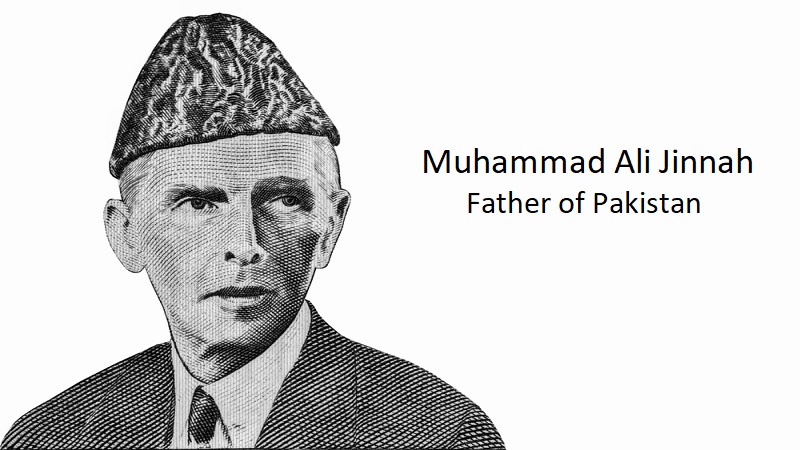
Another glaring anomaly of our educational system is that whereas we teach our boys and girls the life of Abraham Lincoln, in itself no doubt an inspiring study, the life-story of the founder of Pakistan, the Qaid-e-Azam is conspicuous by its absence from our schools and colleges. Apart from its general inspiration for integrity, application to work, studiousness, courage of conviction, firmness of resolution, a study of the Qaid-e-Azam’s life-story is indispensable for an understanding of the very creation of Pakistan. If the Pakistan ideology is to be kept alive, it can only be done through the Qaid-e-Azam’s life-story with which it is inseparably interlinked. There is a very real need which we can ignore only at weakening the very foundation of Pakistan. One of the stock propaganda lines of anti-Pakistani forces is to indoctrinate people (especially the youth) with doubt as to the wisdom of the two-nation theory and partition. This makes it imperative always to keep the story of the Pakistan struggle before our rising generation – a struggle of which the Qaid-e-Azam was the central figure, the hero.
(The Light – Saturday, November 1, 1958)