DAR-UL-ULOOM
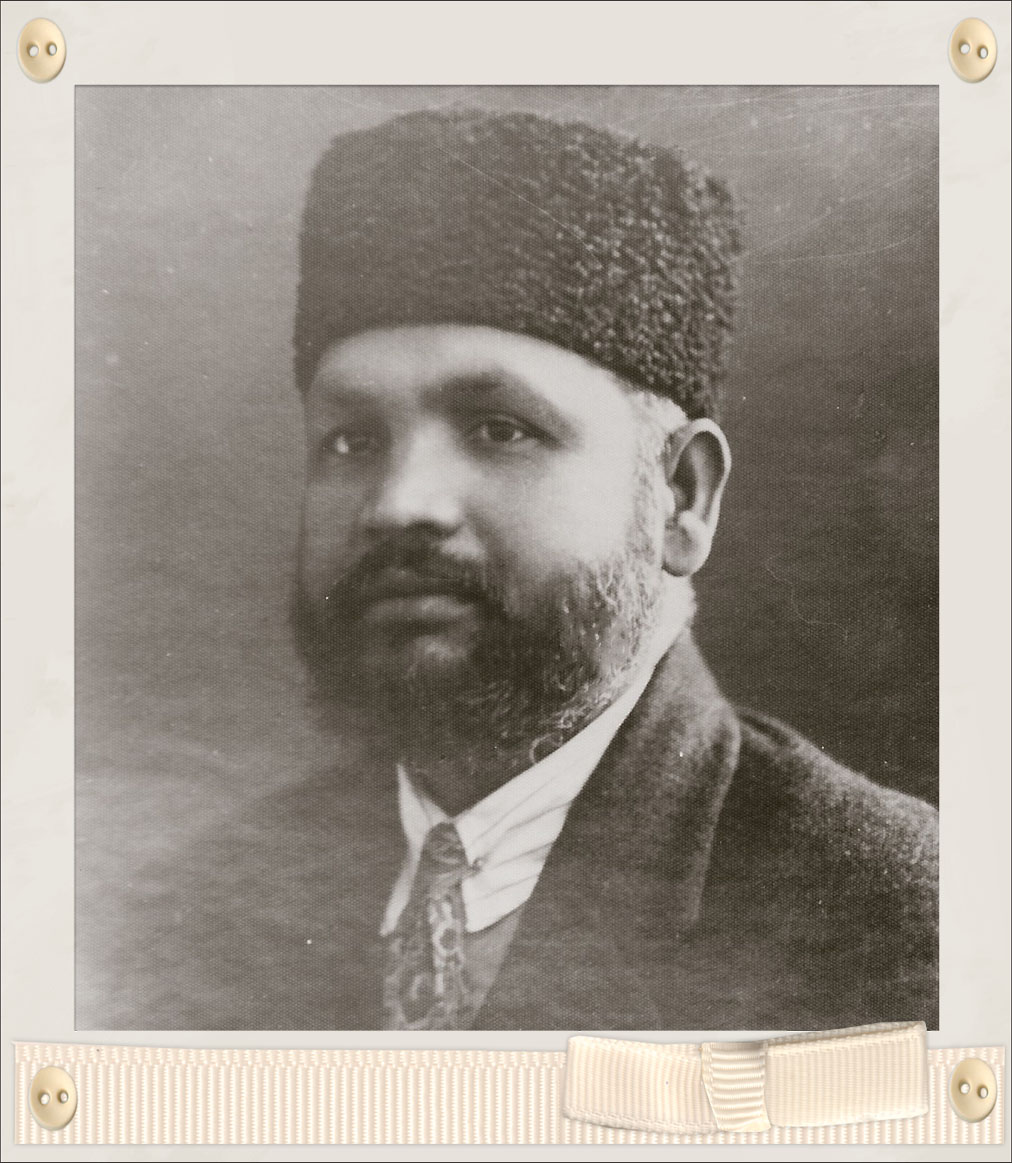
Mohammad Yaqub Khan
Editor The Light
PLATO’S Philosopher-king is a man, deeply soaked and saturated in the love of knowledge. He is exalted to the highest pedestal of the social strata for his capacity to assimilate knowledge, through which he becomes a perfect embodiment of ”wisdom, virtue and happiness”. By virtue of his knowledge and wisdom he is able to thrash a threadbare distinction between right and wrong. He therefore deserves the helm of social affairs to be put into his hands. Such is the worth of knowledge in Plato’s estimation.
Further, knowledge, as opposed to ignorance, is itself not true and genuine if it pertains merely to the “phenomenal existence”, in which case it is no more than a mere “Opinion”. But if it pertains to the “real existence” as distinguished from the “phenomenal existence”, its pursuer is the true lover of wisdom. To the latter, Plato categorises as “Science”. A philosopher as such is, therefore, a true scientist in Plato’s imagination.
Incidentally, the angel Gabriel who brought the first divine message to the Prophet of Islam, sitting in a state of deep contemplation in the Mount Hira, was a command to read or to recite. To recite, that is to say, a formula that unravelled the veil of mystery and ignorance abounding the universe, that which leads a seeker to find an insight into the occult essence of things – the Ultimate Reality, the Prime Mover or the First Cause of all creation. Attuning the soul to a harmony with its own Creator is, thus, the be-all and end-all of all knowledge: Its manifestation is the “sense of beauty, harmony, and proportion” that it gives rise to.
Closeting learning and piety into an organic whole and making learning as “the pathway to a knowledge and reverence of Allah”,
Islam gives an impetus to the intellectual culture. “Surely the learned man surpasses the merely pious man in excellence, as the moon on the night of its fulness surpasses the remainder stars” – uttered the Holy Prophet Muhammad ﷺ. To the Holy Qur’an the learned is unmatched to the unlearned:
قُلْ هَلْ يَسْتَوِى ٱلَّذِينَ يَعْلَمُونَ وَٱلَّذِينَ لَا يَعْلَمُونَ إِنَّمَا يَتَذَكَّرُ أُو۟لُوا۟ ٱلْأَلْبَـٰبِ
“Say: Are they who have knowledge equal with them who have none?” (Surah Az-Zumar 39:9).
Again “Only the learned among His servants truly fear Allah” (35:28). Thus, the inseparableness of religion and learning is inherent in the faith of Islam. Parting of ways between religion and learning which is the insidious feature of the so-called “modern civilisation” is unknown to Islam. It is an unfortunate legacy which the modern man has bequeathed from the medieval Papal Kingdom. It is a sad memory of an inhuman and irreligious way of strangulating the intellectual progress of humanity. Giordano Bruno’s (1548-1600 Kingdom of Naples) burning is a glaring instance of the retrogressive attitude which the then Christian civilisation held towards learning and free thought. Inherently, however, religion and learning are neither apart nor antagonistic.
Against this background, the recommendation of the Syllabi Committee to include General Science as a subject in the curriculum of Darul Uloom – the reorganised religious institutions about to be set up in the country, is highly commendable. It is heartening to note that the Government is to accept the recommendations almost in their entirety, as we were told the other day by the Auqaf Administrator. The recommendations, as they stand, reflect a commendable line of thinking. The ball itself was set rolling when the Education Commission, about a year or two back, had recommended religious education for the non-religious institutions with an added emphasis. This religious bias to education will, besides rendering vitality to the moral fabric of the nation, be of immense worth in bringing national cohesion and integrity. Reciprocally, the inclusion of General Science and Social Studies in the curriculum of Dar-ul-Uloom will go a long way in bringing the students of those institutions abreast of the modern thoughts and developments.
Another notable feature of the recommendations is the corresponding, reduction of emphasis on the sterile and irksome logic and philosophy. In fact, the study of Mantiq stands completely eliminated. Increased emphasis is being rightly laid on Quran and Hadith – the true and original sources of Islam. Study of “Fiqah” will help knowing how the old jurists interpreted the Quranic injunctions in the light of Hadith and their own peculiar requirements. Of this sphere, the study should be critical rather than emulative, so as to inculcate among the students the habit of interpreting rationally the Quranic injunctions. That way the institutions will serve pragmatically to produce socially worthwhile entities. But when all is said and done, there remains one thing which warrants deserving attention of the authorities. Not that as missionary organisation we feel as such. Even otherwise, the genuine brilliance and worthwhileness of Islam can be judged, when it is looked amidst the galaxy of the contemporary sister religions. In other, words, the inclusion of ‘Comparative Religions’ as a subject in the curriculum of Dar-ul-Uloom is desirable.
(The Light – January 24, 1962)