CONSTITUTION-MAKING – Part 1
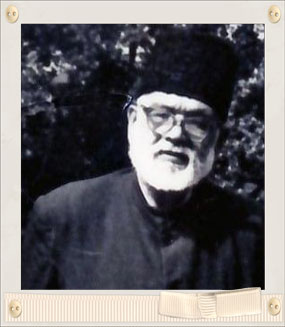
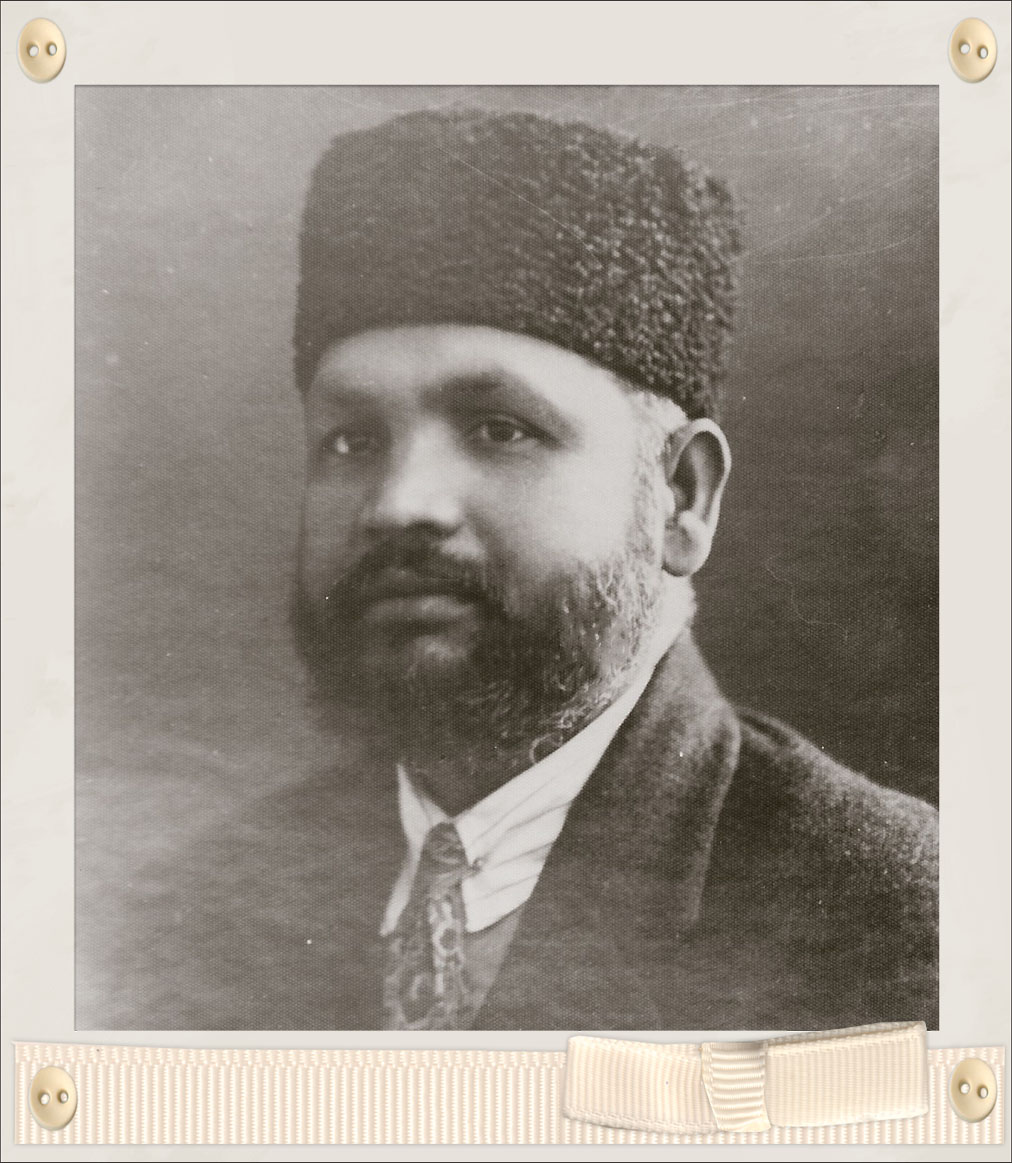
Mohammad Yaqub Khan
Editor : The Light
Vote: A Trust, Not a Right
NOW that Pakistan has embarked upon another experiment in constitution-making, the Questionnaire circulated by the Constitution Commission to elicit public opinion very rightly begins with a probe into what led to the failure of the first Constitution.
Whatever the other causes, the basic weakness of the first Constitution was that it pandered to the religious sentiments of the people without really meaning to give them a truly Islamic Constitution. It incorporated lock, stock and barrel the system of parliamentary Government as in vogue in the West and just put an Islamic label thereon.
The Objectives Resolution, with one hand, gave sovereignty to God, but lost no time in taking it away with the other, by adding that it would be exercised by the people. This was obviously a case of sacrificing the true Islamic concept of statecraft at the altar of Western democracy.
To make the people’s will sovereign, as the above provision, to all intents and purposes did, is the cornerstone of Western democracy, but it is the direct negation of the emphatic Quranic directive:
إِنَّ ٱللَّهَ يَأْمُرُكُمْ أَن تُؤَدُّوا۟ ٱلْأَمَـٰنَـٰتِ إِلَىٰٓ أَهْلِهَا وَإِذَا حَكَمْتُم بَيْنَ ٱلنَّاسِ أَن تَحْكُمُوا۟ بِٱلْعَدْلِ
An-Nisa (The Women) 4:58
“God commands you to make over trusts to those worthy of them”.
Commentators are agreed that the “trusts” spoken of here relate to the affairs of the State. Long before modern man, through a long process of trial and error, discovered the wisdom of creating Public Service Commissions to fill public offices by merit, the Quran laid down this as a basic principle for manning the administration.
Indeed, the Quranic standard of merit is far more comprehensive than mere passing an examination. It combines efficiency with integrity, a sense of devotion to duty and putting public good above self. It is difficult to see how the principle of indiscriminate adult franchise can fit in with this basic principle, entrusting State affairs to hands worthy of them. Vote is a sacred national trust, and the proviso of worthiness must apply with equal force to exercising it. Western democracy makes imbecility a bar to the right of voting but gives a villain who is certainly a greater social danger a blank cheque to capture political power by whatever hook or crook he likes to.
In Pakistan, it was mostly this latter category who managed to get into the saddle of power, and the result was that a whole floodgate of corruption, nepotism, favouritism and political opportunism was flung open. Everybody for himself and the Devil take the hindmost, became the rule of life. The State of which the politicians were supposed to be the custodians went to dogs, while everybody who happened to be basking in the sunshine of power in any shape or form was busy making hay with both hands.
Those who foisted on Pakistan the parliamentary system with all its paraphernalia of adult franchise, polling and ballot boxes committed two blunders: First, they forgot that in Islam vote is not a right which every individual can claim as a matter of course, provided only he is outside the lunatic asylum, but a trust which only those worthy of it are eligible to wield. Secondly, they forgot that Pakistan was not Britain or America where a strong public opinion and a comparatively high standard of public morality exercise a brake on both the voters and the administration. The result was that ballot boxes were broken and filled with bogus votes. An electorate given to caste, clannish, racial, linguistic and sectarian loyalties of the lowest type was simply incapable of thinking in truly national terms. All these factors combined to make the country drift from chaos to chaos till it stood on the very brink of ruination which the October Revolution came as something Providential to rescue it from. And all this happened in the name of democracy!
Parliamentary democracy has no sanction in the Quran or Sunnah, nor in the history of Islam. The very first State in Islam was the one founded by the Prophet ﷺ himself – the City State of Medina. The basic principle observed there was not the counting of heads, but the peace and security of this newly founded State which, under the then conditions, was its paramount necessity. Coming down to the regimes of the Prophet’s successors – the Khulafa-i-Rashidin – what do we find? A few Godfearing people coming together to select the best man as the Head of the State – a man of over towering personality in every respect, combining administrative efficiency with a deep devotion to the Faith and a high sense of integrity and dedication to the welfare of the young Islamic State and the weal of its people. As to the people, they nowhere came into the picture, except that they hailed the elections as those of the right men in the right place. Here was an implementation of the Quranic directive that trusts (affairs of State) must be put in hands worthy of holding them.
If in the West, people’s will have been installed as almost a new deity, it is quite understandable. It has been the culmination of a long painful struggle between the people and the vested interests in various shapes and forms, which trampled on the people’s rights. In an Islamic set-up there can be no room for vested interests, the rulers being just custodians or trustees, selected on the basis of fitness. The question of people-versus-rulers does not arise, the very first condition of fitness being identification with the people’s good.
That indeed is the second half of the Quranic verse already quoted, which says:
وَإِذَا حَكَمْتُمْ بَيْنَ النَّاسِ أَنْ تَحْكُمُوا بِالْعَدْلِ
An-Nisa (The Women) 4:58
“And when you (rulers) judge between people, (God enjoins) that you judge with justice”.
This one verse of the Quran sums up a whole volume of what the complexion of an Islamic Constitution must be like. It rests on just two main pillars:
1.Right men to be put in charge, of administration, and
2.These men’s sole concern must be to promote the people’s good.
(The Light – July 16, 1960)
(To be continued)