CHILDREN´S OWN PAGE
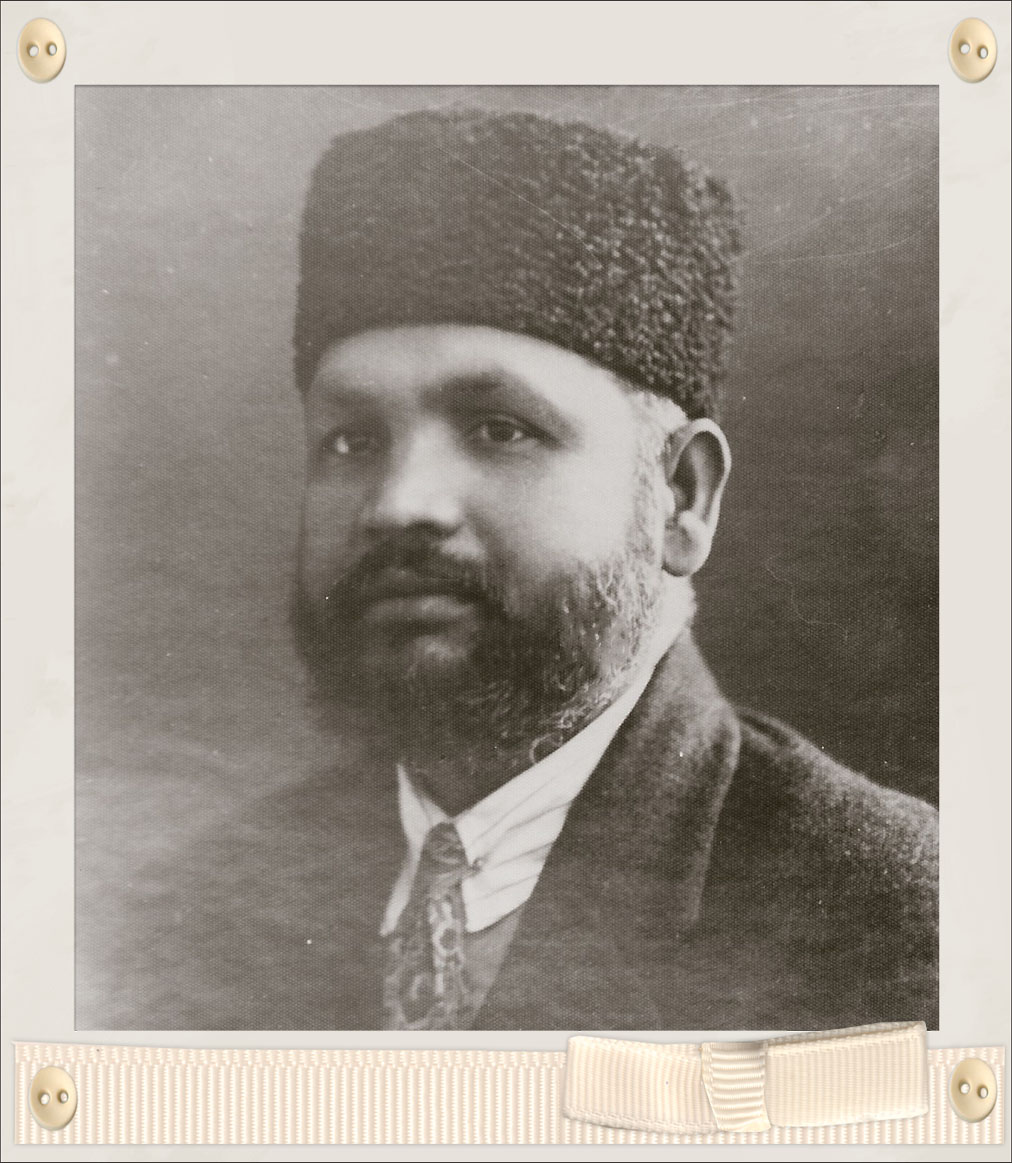
Mohammad Yaqub Khan
Editor The Light
How to excel others
DEAR CHILDREN,
In my last I told you something about the spirit of independence of the early sons of Islam and the care with which Umar, the Great, the second Caliph used to foster and encourage that spirit. I did so, so that you may imbibe that spirit too, if you want to be worthy of the great and glorious traditions of Islam. “My Companions are like the stars.” the Holy Prophet ﷺ used to say. “You have got light and guidance from whichever of them you would seek light and guidance.” Let me, therefore, show you another bright star of that resplendent constellation – viz., Abu Bakr, the first Caliph.
The 9th year of the Hijra was a most critical period for Islam. The Caesar of Rome who was a mighty emperor of the day and ruled over all empire extending over three continents had resolved to put an end to Islam. He had a large regular army at his command and vast resources at his disposal. The Mussalmans who were a tiny community devoted, not to the profession of arms, but to the worship of God were no match for this formidable foe and it was believed that he would make short work of them. The Musalmans, however, possessed what was far more than the legions of the Caesar. It was their Islamic spirit of self-effacement. At the call of Islam, they were ever ready to shed the last drop of their blood. Here is just one such scene of reckless self-sacrifice.
In view of the impending invasion by the Roman Empire the Prophetﷺ decided upon some sort of war preparations. Whatever of irregular, and untrained manpower the Mussalmans could muster was to be mobilized immediately. The question however was how to equip them properly. The Musalmans were one and all ready to strike their blow in vindication of the honour of Islam. It was however necessary that they should have some equipment. The Holy Prophet ﷺ therefore, opened a list of subscription to meet the expenses of the proposed expedition.
Every son of Islam contributed his quota towards this fund started for the defence of Islam. Usman donated a large sum with his usual generosity. Umar offered full one half of his property, leaving the other half for the maintenance of his family. This is how Iqbal, in his usual Islamic fervour, depicts the scene:
اک دن رسول پاک نے اصحاب سے کہا
دیں مال راہ حق میں جو ہوں تم میں مالدار
ارشاد سن کے فرط طرب سے عمر اٹھے
اس روز ان کے پاس تھے درہم کئی ہزار
دل میں یہ کہہ رہے تھے کہ صدیق سے ضرور
بڑھ کر رکھے گا آج قدم میرا راہوار
i.e., Umar was filled with joy when the Prophet’s appeal for funds fell in his ears. He had several thousands of dirhams with him that day. He felt exultation in thinking that that day, he would out-do Abu Bakr:
لائے غرضکہ مال رسول امیں کے پاس
ایثار کی ہے دست نگر ابتدائے کار
پوچھا حضور سرور عالم نے اے عمر
اے وہ کہ جوش حق سے ترے دل کو ہے قرار
رکھا ہے کچھ عیال کی خاطر بھی تو نے کیا
مسلم ہے اپنے خویش و اقارب کا حق گزار
i.e., In short, he brought his wealth before the Holy Prophet ﷺ who asked him if he had kept back anything for his family too.
Umar replied that he had kept back half for his family and put the other half at the disposal of the nation. Just then came Abu Bakr too, along with his contribution – his all.
اتنے میں وہ رفیق نبوت بھی آگیا
شاھد ہے جس کی مہر و وفا پر حرا کا غار
The Prophet ﷺ put him the same question, viz., if he had left behind in is house anything for his children.
بولے حضور چاہیے فکر عیال بھی
کہنے لگا وہ عشق و محبت کا راز دار
اے تجھ سے دیدہ مہ و انجم فروغ گیر
اے تیری ذات باعث تکوین روزگار
پروانے کو چراغ ہے بلبل کو پھول بس
صدیق کے لیے ہے خدا کا رسول بس
“Yes indeed!” replied that embodiment of the spirit of Islam. “Yes indeed! I have left God and His apostle in my house.”
See, dear children, that you grow up to be such worthy sons of Islam whose one longing was to excel one another in service and sacrifice. That is the one road to true greatness, the one road to true happiness.

If you are worthy sons of Islam
DEAR CHILDREN,
I am sure you have heard the name of Umar, the Great, the Second Caliph of Islam. He was a mighty ruler. His very name struck terror into the hearts of most proud potentates. And yet he never looked upon himself as a whit more than a humble servant of God. One day as he was marching at the head of an army, he stopped suddenly in front of a tree and his eyes bubbled with tears. His officers and men who had all halted were surprised at this strange sight. “Why have you halted and what brings these tears to your eyes?” – someone ventured to ask him.
“Long ago”, replied the Caliph, “while I was yet a boy and used to herd camels, I one day fell asleep under this tree and the camels strayed away, at which I got a good hiding from my father. My heart is filled with grateful emotions that by the grace of God Almighty, I am passing to-day by the same tree, at the head of an army. The thought has overwhelmed me and hence the tears of thankfulness and gratitude.”
What was it, dear children, that made these camel-drivers the rulers of the world? Remember it was just one thing. It was their living faith in God, their truly Islamic character. Let me tell you just one incident from the life of this great ruler of Islam. One day, the Caliph, got on the pulpit to address the people on an important state affair. “Listen, O people!” – he started. He had, however, hardly uttered these words when some one from among the audience got up and said: “We are not going to listen to you”. This is how Maulana Shibli puts it in his sweet lines:
ایک دن حضرت فاروقؓ نے منبر پہ کہا
کیا تمہیں حکم جو کچھ دوں تو کرو گے منظور
ایک نے اٹھ کے کہا یہ کہ نہ مانیں گے کبھی
کہ ترے عدل میں ہم کو نظر آتا ہے فتور
There was all hush. Everybody looked at the man who had interrupted the mighty Caliph. The Caliph however did not in the least mind it. He only asked the man if he had any good grounds for refusing to listen to him.
“Yes, indeed!” replied the man. “The shirt that you are wearing is obviously made of the sheets of cloth that were the other day distributed as the spoils of war. You must have got just one sheet, as did everybody else and surely for a tall man like yourself one sheet can never suffice for a shirt. It seems you must have taken more than your due share. We shall not listen to you until you have cleared your position.”
At this, the Caliph turned towards his son Abdullah. Abdullah got up and, to borrow the sweet lines of Shibli, said:
بولے یہ ابن عمرؓ سب سے مخاطب ہو کر
اس میں کچھ والد ماجد کا نہیں جرم و قصور
ایک چادر میں جو پورا نہ ہوا ان کا لباس
کر سکی اس کو گوارا نہ مری طبع غیور
اپنے حصہ کی بھی میں نے انہیں چادر دے دی
واقعہ کی یہ حقیقت ہے کہ جو تھی مستور
نکتہ چیں نے یہ کہا اٹھ کے کہ ہاں اے فاروق
حکم دے ہم کو کہ اب ہم اسے مانیں گے ضرور
That is, the son of the Caliph said that his father was not at fault. When one sheet could not suffice for his shirt, he, Abdullah, gave him the shirt of his own share too.
This satisfied the critic. He got up and said: “Now, O Faruq! Here we are at your command! Let us have your orders.”
Do you understand, dear children, what made the early sons of Islam the rulers and leaders of men? Independence of spirit on the one hand and implicit obedience to the law of God on the other. The man who stood to question Umar had true Islamic courage in him. He was not in the least daunted when, in his opinion, the Caliph seemed to be at fault and pulled him up there and then. The Caliph on his side was not in the least offended. If it were some Mulla or Pir of our day, no disciple would dare say a word against him, even if he were to see him do most objectionable things with his own eyes. And if some one were to have the temerity to find fault with him, the Pir or the Mulla would lose all temper, would fret and fume and roar down on the poor critic with his pious fury.
This is the greatest evil of our present-day society. There is no independence of thought, no independence of spirit. And this, dear children, is the A B C of all greatness. Some one has rightly said that a free mind can never dwell in a slave body. India can never be free, so long as we are not free in thought and free in spirit. If you want to revive the lost glory of Islam, you will have to begin at the right end – viz., the revival of the spirit of Islam. Remember that the Flag of Islam stood for Liberty, Equality, Fraternity long before the French Revolution took up that slogan.
If you are to be the worthy sons of Islam you must stand by that Flag of the Freedom of Spirit and with Islamic courage fight for it, suffer for it and if need be, die for it.
(M.Y.K – The Light June 1, 1935.)