Arrowshots at Gandhiji
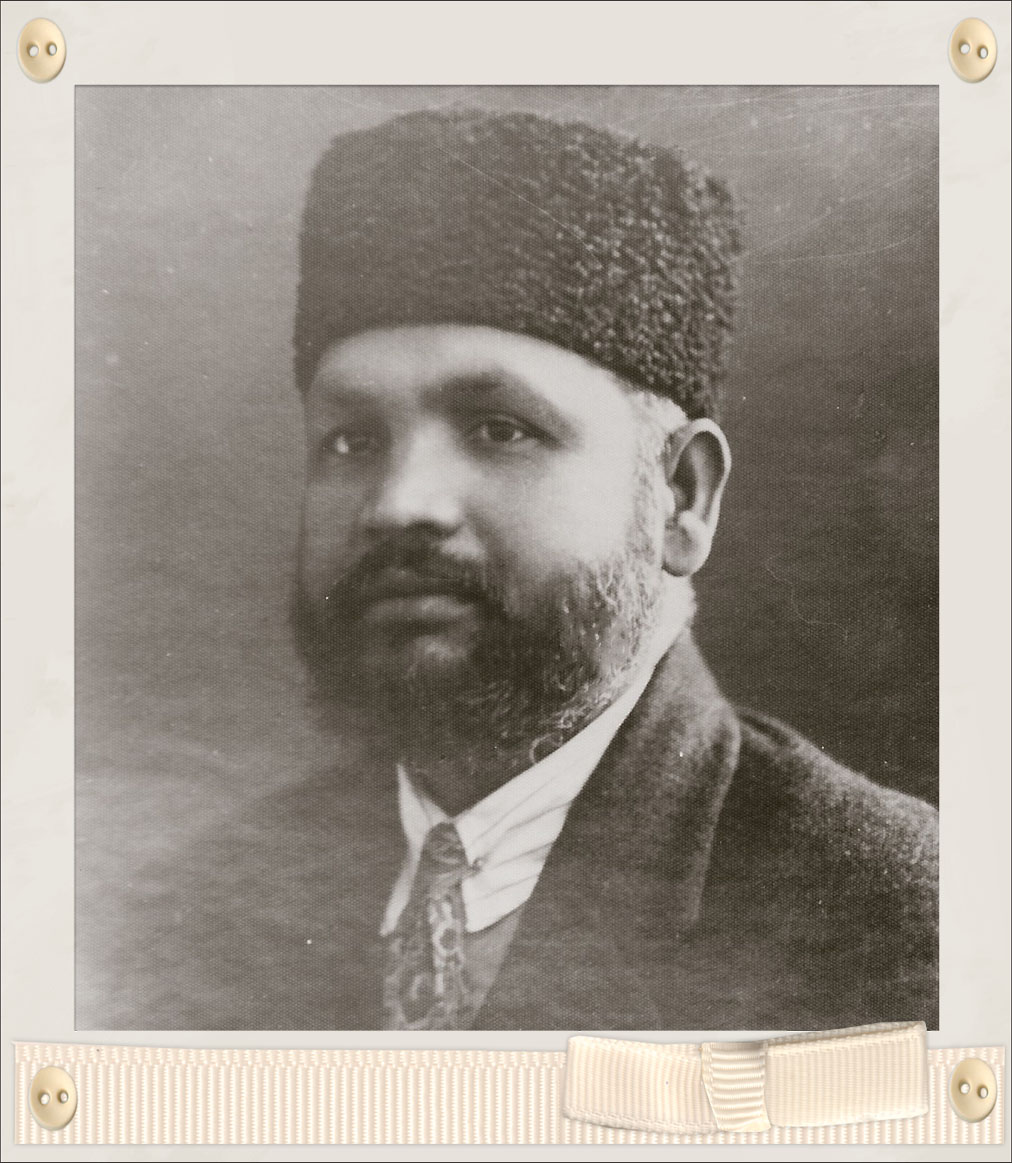
Mohammad Yaqub Khan
Editor The Light
In one of our recent issues, we called attention to the verdict on the question of music before mosque, of Mr. Savarkar, President of the All-India Hindu Mahasabha. Speaking at a meeting in Bengal he observed that if he were a Premier and the Musalmans came to him with the complaint against music being played before a mosque he would forthwith issue a decree stopping all loud recitation of the Quran in mosques on the plea that Hindu temples would be disturbed thereby. This sums up the attitude of the Hindus in general on the question of music before mosques. The Musalmans have been taking serious objection to the molestation caused to them when a Hindu procession passing by a mosque makes it a point to call a halt and play music with an extra flourish while the Muslims inside hold their congregation prayer. So strong is the feeling among Muslims against the practice that it has led to many a communal riot resulting in many lives lost and heads broken. Yet our Hindu brethren have stubbornly refused to see the Muslim viewpoint and seeing it show right neighbourly appreciation thereof. May we in this connection call their attention to the personal experience of no less an authority than Mahatma Gandhi.
While on a visit to Rajkot on the 17th instant, after the famous Award by the Federal Court, Mahatma Gandhi was greeted with a hostile demonstration by some elements that had cause for complaint against him. They shouted all sorts of slogans just at the time when Gandhiji was holding his evening congregation prayer. This naturally greatly upset him and in the course of a furious press statement he thus gives vent to his feelings on the point: –
” What has hurt me most about this evening’s demonstration is that the demonstrators chose what was for me a solemn hour of the day. For years all India knows that I have offered, without practically a breach, my evening prayers in open congregations. Why did they seek my prayer time to molest me and what had the numerous men, women and children who at the end of the day had come to offer their humble prayers to the one and only God of us all done to deserve such interference? Why was it not enough, seeing that I do not go out except for prayers, to shout their slogans and wave black flags as I entered the prayer grounds? Even that could have been bad enough, but they continued vigorously to raise their slogans throughout the prayer, and they were all my countrymen. Their cries pierced me like arrows whilst I was trying to concentrate my mind on the words of the prayer. I have not attained a power of meditation which makes one impervious to all disturbances from without. They knew that if they had invited me to attend their meeting in order to witness their hostile demonstration and their wrath, weak though I have been, I would have gone there and tried to appease them.”
Here is Mahatmaji’s personal experience as to what disturbance at prayer means to a votary. “Their cries pierced me like arrows”, he rightly says. Why should the disturbance caused to Muslims at prayer by music-play before mosques be considered a bunch of roses instead of arrows passes our understanding. If the cries of demonstrators who had some political grievance against Gandhiji, real or imaginary, were arrows that pierced him, the disturbance caused to Muslims by music played out of sheer mischief amounts to poisoned arrows. For it adds deliberate insult to injury. The mentality at the back of it is one of wilful affront to the sanctity of the mosque. What is an arrow for a Hindu must be an arrow for a Musalman. This is fair logic. Yet our Hindu brethren refuse to see it. Even a man of Mr. Savarkar’s education and position is not prepared to excuse a Musalman if he just dares complain of music before mosque. He would retaliate by forbidding all loud recitation of prayer in a mosque. What neighbourly charity! What tall talk of a common nationality! And above all, what a cheek to accuse Muslims of narrow communalism!
This is the old story of the mote and the beam. In season and out of season, our Hindu brethren point to the mote of communalism of the Musalman’s eye. But they cannot see this big beam in their own. If Gandhiji is disturbed at prayer–and by his own co-religionists, mind you – he moves heaven and earth. He feels pierced with arrows. But if a poor Musalman says the same thing when disturbed, not by fellow-Muslims, but by those who want to offer thereby deliberate affront to his faith – well, it is just nothing. It is sheer communalism and the only way to deal with it is to forbid all loud recitation of prayers in mosques. The personal experience of Mahatmaji should serve as an eye-opener to our Hindu brethren. After all, the Muslims’ objection to music before mosques is no mere mischief or communalism which they paint it to be. Even a Mahatma loses his temper over such molestation. If there is communalism anywhere, it lies in refusal to see the Muslim side of the question. Fairness would demand that now that evidence on this vexed question is forthcoming on the authority of a man of Mahatma Gandhi’s position, our Hindu brethren should overhaul their entire attitude about it and showing a better appreciation of the Muslim point of view, stop all playing of music before mosques at prayer time.
Will our Hindu brethren ever be capable of such fair mindedness? Will they see the plain logic that what is an arrow to Mahatma Gandhi cannot but be an arrow to a Musalman? Will they revise their attitude on the question in the light of Mahatma Gandhi’s own verdict? Many doubt that they ever will. They believe that born and brought up as he is in a narrow caste-ridden atmosphere, a Hindu is by his very mental constitution incapable of going out of the shell of caste. They believe that the virus of communalism is but the projection of that mental cast of caste into the field of politics. But the fact remains that, the day the Hindu sheds something of that narrowness of sympathies and ventures to think in terms of humanity rather than of caste will be the dawn of communal concord and harmony. How far they will give proof of this much-needed expansion in their mental horizon on the question of music before mosque, now that light on this much vexed question is forthcoming on the authority of Mahatma Gandhi himself – Muslim India will anxiously wait and see.
(The Light – Monday, April 24, 1939.)