Animal Sacrifice
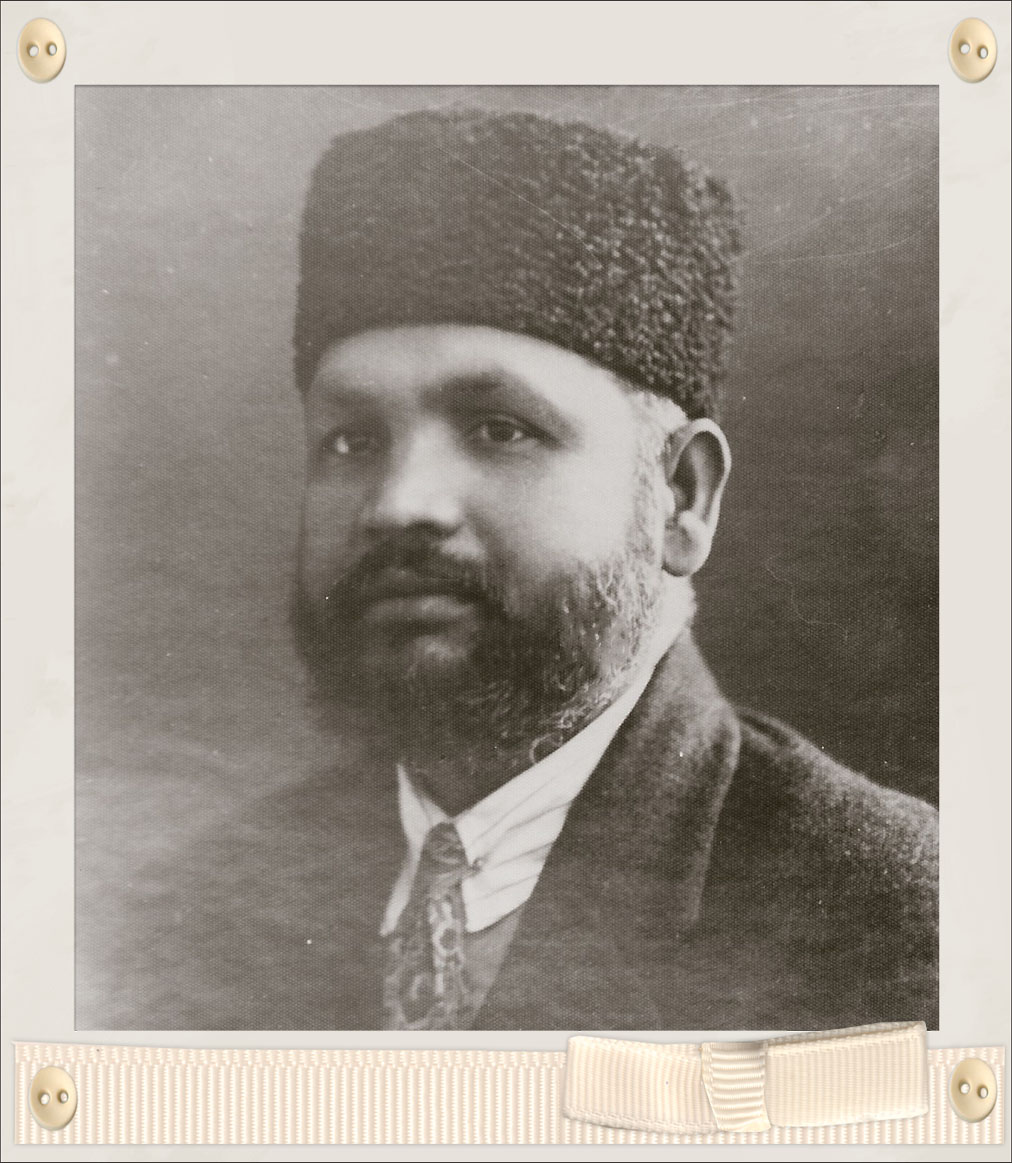
Mohammad Yaqub Khan
Editor – The Light
A REVIEW
Tahqiq-i-Qurbani – i.e.,” Truth about Animal Sacrifice ” is an Urdu pamphlet by Maulana Arshi, published by the Office of Ummat-i-Muslima, Tauhid Bagh, Amritsar.
The pamphlet attempts to show that the present-day animal sacrifice in vogue among the Muslims has no foundation in the teachings of the Quran or in the “Traditions of the Holy Prophet ﷺ”. The Quranic verses bearing on the point localize animal sacrifice to one particular place (Mecca), and one particular occasion (the Haj). On the occasion of the Haj, Muslims are required to muster strong from all parts of the world. In a barren country like Arabia, it was a regular problem how to feed a vast concourse of men. Animal sacrifice already existed, though for a different purpose. The Quran harnessed this very custom to the practical good of man and enjoined that pilgrim should take some of their animals along with them to Mecca, and kill them there, so as to provide food for the people gathered on this occasion. Animal sacrifice was thus merely the ”supply wing” – to use a modern military term of the mass rally of the Muslim world and meant for that particular occasion and that particular place. The present practice of animal sacrifice observed on a worldwide scale throughout the world of Islam was never intended nor is warranted by the texts of the Quran on the point.
The Quranic localization of animal sacrifice to the Haj occasion in Mecca, the pamphlet goes on to show, is also borne out by the practice of the Prophetﷺ who always sent his sacrificial animals from the place of his sojourn, Medina, to the place of pilgrimage, Mecca. Even on the Haj occasion, it is contended, animal sacrifice has not been made obligatory at all. It is enjoined only in certain cases where the would-be pilgrim is somehow detained on his way to the pilgrimage.In its support, the pamphlet quotes certain ancient as well as modern authorities, Sir Syed Ahmad Khan, Khwaja Kamal ud-Din, Allama Mashriqi, Khwaja Hasan Nizami being some of the latter.
The pamphlet also adds a criticism of the views of the supporters of the present-day universal practice of animal sacrifice, notable among which is that of Maulana Maudoodi’s. Here one notes with regret that this criticism and counter criticism is not altogether free from the bitterness which has ever marred the controversies between two rival camps of theologians. One fails to understand what useful purpose on earth do undignified references to one another can possibly serve in the elucidation of a Quranic text, which, after all, is a matter of individual understanding.
The underlying idea is to divert the great national wealth which, according to the pamphlet, is wasted year after year in the form of millions of animals slaughtered, towards more fruitful channels of national reconstruction, such as the establishment of hospitals, orphanages, Islamic missions, schools, colleges and other like institution.
The pamphlet breaks altogether new ground and obviously runs counter to the widespread Muslim sentiment on the question of animal sacrifice. The vast bulk of Islam regards animal sacrifice as of universal application, intended to inculcate in a palpably tangible form what constitutes the very essence of the religion of Islam viz., self-surrender to the Will of God. Be that as it may, it must be conceded, the pamphlet is thought-provoking and deserving of re-examination in the context of Quranic as well as historical background. Antiquity is no doubt no guarantee of the validity of a view, but an academic view is different from a hard practice such as animal sacrifice. The Ummat is certainly liable to blunders in matters of intellectual deductions from certain Quranic texts but in matters which have been translated in hard practice the practice itself constitutes a big argument in favour of their validity. If mere intellectual flights were allowed to have their way and override what has for centuries past constituted the universal practice of Islam, we are afraid, the process may in course of time change the entire face of Islam. To say that the flesh and blood of the animal does not reach God, as expressly said by the Quran and that only taqwa contained therein is acceptable to God, is no argument in favour of the abolition of animal sacrifice. The Quran says exactly the same of every other institution. The Haj itself is intended to inculcate taqwa then why waste all this national wealth, time and energy, on the journey to Mecca? Our daily prayer and our fasts are meant to teach taqwa too. The present-day salat and fasts are in the vast majority of cases, mere empty formalities. Shall we abolish them too? The practice of animal sacrifice that has survived all these centuries cannot be brushed aside with a mere stroke of pen.
If pressed to logical conclusion, animal sacrifice on the limited scale admitted by the pamphlet will also have to be abolished. If it is a merely supply department of the Haj, that purpose is no longer served by it in the town of Mecca itself. Modern means of communication and transport have solved that problem in a much better way. Why not require the pilgrims to contribute in money towards a Haj Fund wherewith to supply the pilgrims with all kinds of foodstuffs. Man does not live on meat alone. He must have bread, rice, milk, sugar, tea, vegetables, fruits – in fact all that a modern supply department undertakes to provide. That purpose would certainly be far better served if pilgrims should offer the ” sacrifice ” in gold and silver instead of livestock. That would mean the end of the Quranic texts even in the limited sense as interpreted by the pamphlet. The Quran explicitly lays down:
وَالْبُدْنَ جَعَلْنَاهَا لَكُم مِّن شَعَائِرِ اللَّهِ لَكُمْ فِيهَا خَيْرٌ فَاذْكُرُوا اسْمَ اللَّهِ عَلَيْهَا صَوَافَّ فَإِذَا وَجَبَتْ جُنُوبُهَا فَكُلُوا مِنْهَا وَأَطْعِمُوا الْقَانِعَ وَالْمُعْتَرَّ كَذَلِكَ سَخَّرْنَاهَا لَكُمْ لَعَلَّكُمْ تَشْكُرُون
(Al-Hajj (The Pilgrimage) 22:36)
“And animals of sacrifice – We have made them of the signs of God unto you. In them there is good for you. So recite God´s name over rows of them. And when they fall down on any side, then eat of their meat yourselves, as well as give it to the poor and the pilgrims to eat”.
No polish of literary flourishes can gloss over these plain words and convert this vivid scene of actual bloodshed into a mere supply department affair. We shall need more weighty arguments than this to be convinced of this purely economic explanation of the institution of animal sacrifice.
Here is a straight question to Maulana Arshi to answer. If animal sacrifice was merely meant to solve the ration problem of the pilgrims, why not stop the practice in Mecca as well? That purpose can be much better served otherwise.
M.Y.K.
(The Light – February 1, 1943)