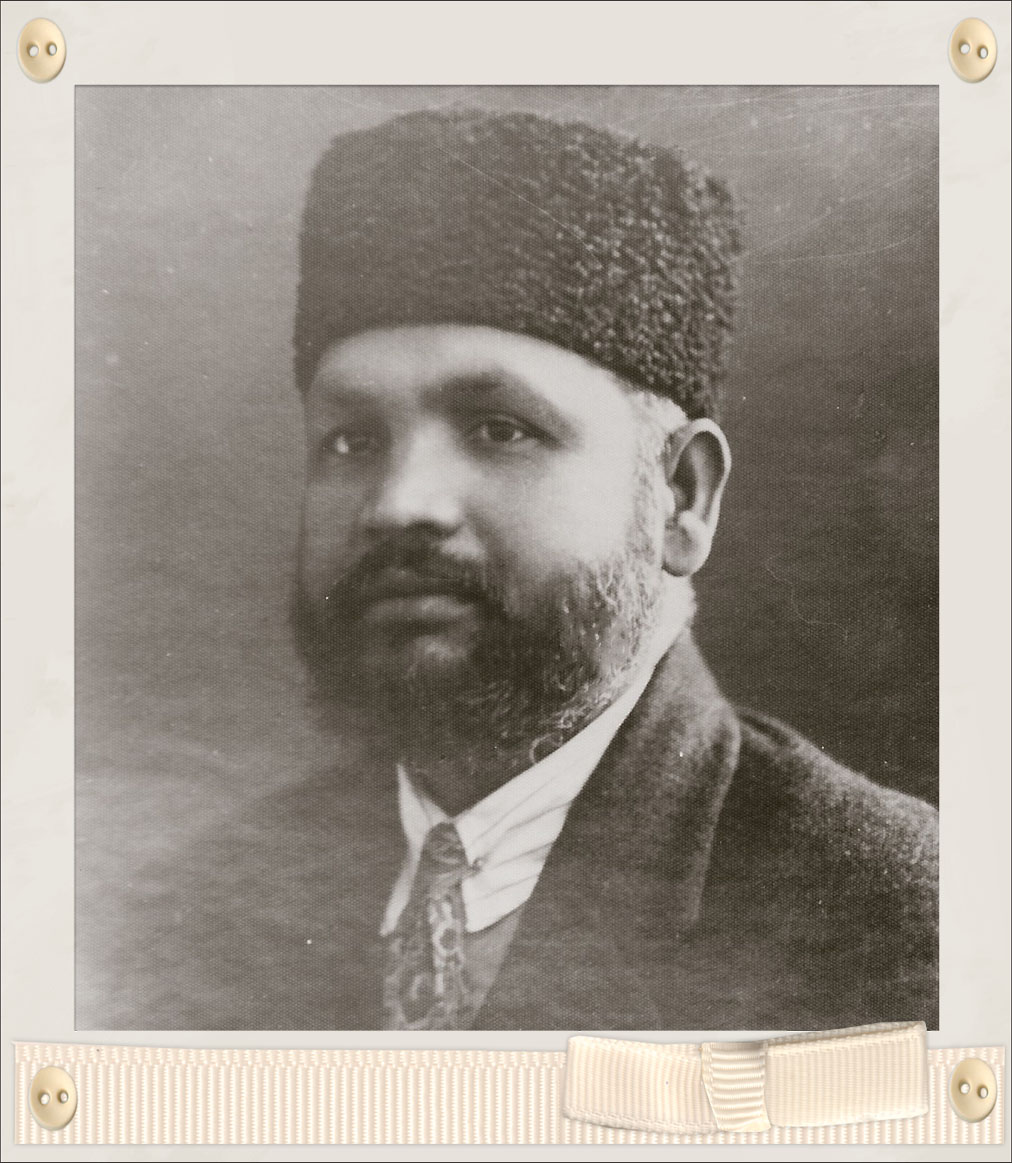
Abdul Ghaffar Khan
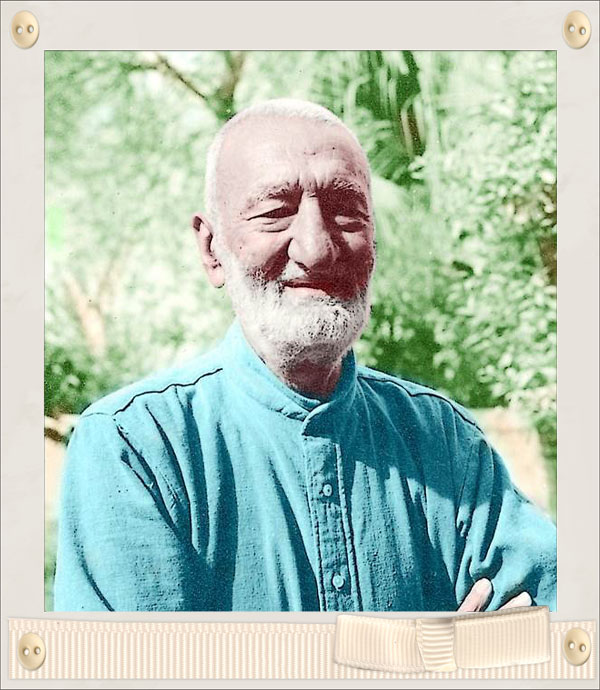
Lovers of peace and order breathed a sigh of relief when the other day, after trying times of chaos and bad blood, the horizon on the N.W.F.P province seemed to clear up a bit. They blessed the man, the Hon’ble Sir Fazi-i-Husain who applied the balm of understanding and sympathy to a most sore situation and made it possible for better days to dawn. A very good beginning was made, and everybody looked forward to the day when perfect peace and tranquillity would reign once more. This was, however, not to be. For reasons best known to the men on the spot, things once again took a turn for the worse. The policy of conciliation was abandoned or interrupted and the good work of restoring confidence and good-will left unfinished. The situation must, therefore tax the brain and resources of all those anxious to find a way out of the muddle.
That way to our mind is perfectly clear. It is the self-same way of sympathy and understanding tried by the Hon’blc Sir Fazl-i-Husain with such a goodly measure of success. We are convinced that it is for sheer lack of sympathy and understanding that the whole thing has been bungled up. If only the officials on the spot were gifted with anything of a higher vision of things, the unfortunate situation would never have arisen. So far as we are aware – and we can claim to know a good bit – the vicious circle started with the smaller fry among the officials who, perhaps out of jealousy of the popularity Khan Abdul Ghaffar Khan enjoyed which may have eclipsed their own local importance, misrepresented things to the Hon’ble the Chief Commissioner and painted this Pathan reformer as a “Red” of “Reds” imbued with Bolshevist notions and out for a bloody revolution. Here, to our mind, lies the germ of the whole trouble.
Whatever else Khan Abdul Ghaffar Khan may be, we know for certain he has nothing of the “Red” in him. He is no revolutionary of the Russian brand. He is a firm believer in the creed of non-violence. He is convinced that the political salvation of the Frontier as of the rest of India is bound up with non-violence. In his writings as well as his speeches, he spared no pains to infuse the spirit of non-violence among his people. It is just here, however, that the authorities mis-understood him or mis-represented him to the Government of India as a dangerous man. And this is the root of the trouble. Misunderstanding was bound to breed suspicion and suspicion could only beget suspicion and bad blood.
To ease the situation, therefore, the first thing to do is to understand Abdul Ghaffar Khan, the founder of the Frontier Movement, rightly called the Gandhi of the Frontier. The problem of the Frontier is the problem of Abdul Ghaffar Khan. He is no common man, let it be realized, nor a man made of common clay. He represents the soul of the Pathans awakened to its due human destiny and for a whole life of service and devotion to the welfare of his people, he has become to the hundreds of thousands of the Pathans, a symbo1 for the Pathan regeneration. It would be therefore poor statesmanship which should ignore this man, who is the one man who may be called the key to the Frontier situation. And for all we know of him, we can say that he is neither the “dangerous” nor the ”impossible” man he is painted to be. Doubtless, he is a Pathan of Pathans. He loves his people. He is sore hurt at the lot of his people and he is anxious to improve that lot as best as he can. That, doubtless, is his sin, if a sin is to be a patriot. Out indeed he is to uplift his people to an honourable place in comity of nations – but by all peaceful non-violent methods of self-restraint, self-discipline and self-reform.
We wish the Government of India could be disillusioned of the petty perverted impression it seems to have been given by the lower Frontier officials. Abdul Ghaffar Khan is a man of no mean culture and refinement. Those who have had the opportunity to study his inner self through his writings and utterances will bear us out that in purity of thoughts, loftiness of ideals and breadth of vision, he is not a whit below the saint of Sabarmati, now of Yerawada Jail. Only the Mahatma has the good fortune to belong to the most vocal section of India which knows how to do him due honour. Abdul Ghaffar Khan is a cry in the wilderness.
Just now we have before us the April (1930) issue of Abdul Ghaffar Khan’s Pashto organ, the Pakhun. It is a treat to go through the writings from his pen, especially his article on ”Jail”, wherein he directs his people how to demeane themselves in case he is arrested. It forms an interesting reading and every word of it gives the lie direct to those who would associate violence with his name. Much of it we must leave over for the next issue to reproduce. But in order to give the reader some idea of his unflinching faith in non-violence, we must not omit to reproduce for the present just a few lines from his passionate appeal to his people. Says he:
If the Englishmen should arrest me and put me in jail for the sin of serving my faith and my people, then remember, it is nothing to get excited over or get terrified. If you give way to excitement, you will give your opponents an opportunity and your good goal given up your principle and giving up one’s principle inevitably leads to failure and disgrace in life.
0 brothers! It is no bravery to beat others. Bravery lies in putting up with beating. It Is no nobility to abuse others. Nobility consists in
forbearance. Our work is not violence. We are the oppressed and it is not for the oppressed to resort to force, excitement, or violence.
Who but a propagandist or his dupe would accuse a man with such sentiments of any passions of violence?
M.Y.K
The Light – August 16, 1930.