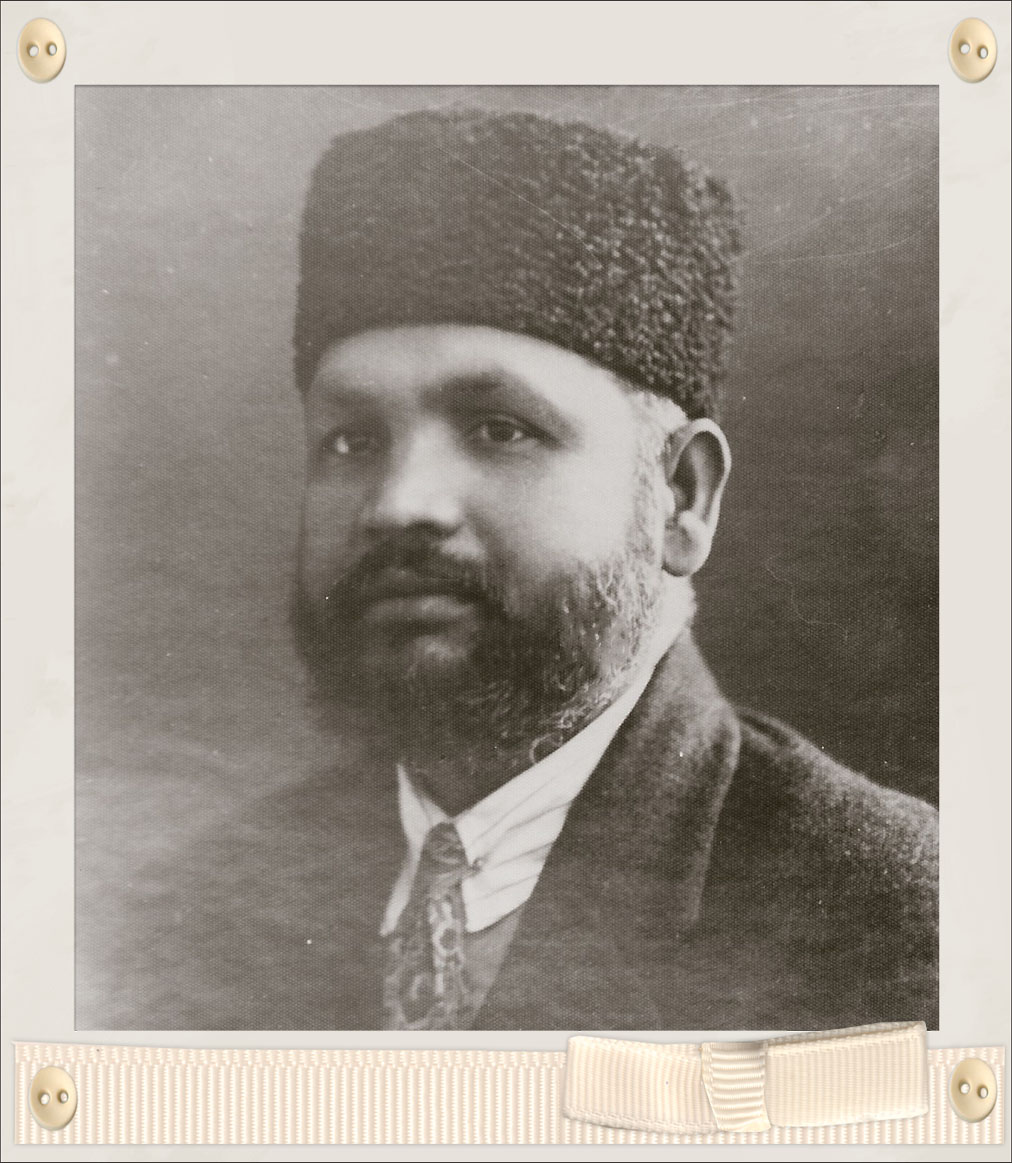
A PRISONER’S LOT – HOW TO IMPROVE IT PART 1

As we stretch ourselves at night under the azure vault of heaven with mosquito nets carefully drawn up around our beds and gentle breezes playing about, how many of us have the imagination to picture to themselves the agony of those shut up just then within dark dingy cells, with their faces stuck to iron bars in the vein hope of catching just so much as a breath of fresh air. And yet of such miserable people there are actually thousands who are thus rotting within those weird walls. There are two jails in Lahore besides a female jail, and these alone have a population of about 6,000. In these dreary nights when the temperature stands at above 100, these wretched creatures—for the way they are treated, they are more of lower creatures than human beings—have to manage a repose on a hard piece of masonry, lulled to sleep by no better fans than the tiny wings of the myriads of mosquitoes out to prey upon their bloodless bodies. Sad indeed is their lot, very sad and it only behoves those outside the walls to take some interest in the amelioration of their miserable existence. After all, they are the flesh of our flesh and the blood of our blood.
A Blot on Government
Many are the hardships, many the indignities, many the oppressions, many the extortions that call for the earnest attention of the public as well as the authorities. I must admit, of late, there has been much improvement in the prisoner’s lot, due, I believe, to the repeated protests of public leaders who, as political prisoners had the occasion to see things for themselves. All credit to Government that met these protests and suggestions in a spirit of humanity. But much more is still to be done. Even this reformed state of things is a blot on Government that claims to be civilized and humane.
Criminals to Watch Criminals
Before going into details, I must point out what to my mind constitutes the pivot of the administration – the personalities of the Superintendent and the Jailor. Upon these two men hinges the entire weal or woe of the prisoner. No matter what amount of reform is introduced in practice, things will improve very little so long as these twin central figures are what they have so far been. It would not be far wrong to call them prison gods. I would have called them prison kings but I believe they are more than kings. A king cannot kill. These despots, however, either of them, bent on it—can actually kill a man within those forbidden and forbidding walls and with perfect impunity. They are man-gods.
Among those so-called custodians of the prison, there are without the least exaggeration those who are criminals of a blacker brand than those they are there to keep in custody. They are habitual criminals. Many of them, I am sure, would get nothing less their 7 years for oppression, extortion and several other things, if it were only possible to bringing them to book. Yet these very unfound criminals of the meanest type walk within jail walls with the airs of demi-gods, lording it over everything that comes their way, over these who have unfortunately come, under the impulse of the moment to blows with their neighbours and found their way in, those whom want has driven into breaking the sixth commandment, Thou shalt not steal. But here are these prostituted specimens of humanity, with at least one fresh guilt added to their character roll with every fresh day, walking and talking with the airs of saints!
Lajpat Rai set Right
To illustrate the tremendous powers that these jail officials held over their helpless victims I would mention a few personal experiences and observations. While in a Lahore Jail I one day called at the office to have a look at the Jail Manual. Now this is the last thing that a Jailor would like you to have or see. The Jailor himself was away. I had a few words about it with one of his underlings. He was rude to me and I came away in disgust. But I soon dismissed the thing from my mind, considering that after all the man was only an orderly, ill-bred and ill-mannered and he meant no special harm. But I was soon disillusioned. The tale was carried to the ”boss” in false colours. He was told that I wanted to assert myself and what could be a better proof of it than that I, a prisoner, should dare think of having a look at the Jail Manual. Like a red rag to a bull this inflamed the Jail official concerned. I refrain from mentioning names, as it is not my object to damage anybody’s name, but to illustrate a point and urge how crying is the need for reform in this direction. The same evening that I was having an interview with some most distinguished members of the Muslim community, including my legal adviser, an LL. D. and a Bar-at-law, this particular official expressly came in form his quarter. He was shivering with rage. His mouth was foaming. His nostrils were dilated. And with his righthand brandishing in my face, he burst out into a violent fit of temper. ”You must remember,” he repeated again and again, ”that I have set men like Lajpat Rai right.”
The one Jail Manual
We were wonder struck. I do not claim to be free from temper and more than once I was tempted to take off my coat. Our men, however, interposed and the episode did not go so far as that. But a wound had been inflicted on my mind and on the minds of those most respectable members of society that had come to visit me — a wound of humiliation too deep to describe. For the first time it dawned upon me: so this is prison. A prisoner is not supposed to have any self-respect. Any man might talk any rubbish to him and in the presence of those who held him in high estimation, but he must not utter a word in self-defence, much less raise so much as a little finger. Later on when in our chit-chats there were several editors, Hindus and Muslims —conversation turned on this topic, one most witty of the lot, a Hindu gentleman would say, ‘Well there is but one Jail Manual that, a prisoner need consult and that is that he must promptly raise his hand to salute no sooner he catches sight of any Jail official, be he a petty warder.” But inadept as I was at this sort of thing 1 had frequently to come into such clashes with the Jail official. One similar incident – a little more amusing perhaps—that came my way during my sojourn in another Jail of Lahore, I will tell in my text.
I must repeat that I relate these incidents simply to impress upon the public and the authorities that if such is the treatment meted out to one classed by the Government as a ”Special Class” prisoner, the lot of the common prisoner may well be imagined. Were it not out of a sense of public duty and a duty that I owe to those dumb thousands within prison-bar – dumb because their cries of agony are never allowed to come out of those walls – I would fain have dropped a curtain of oblivion over these unpleasant incidents. But more in my next.
M.Y.Khan
(THE LIGHT – July 12, 1928)