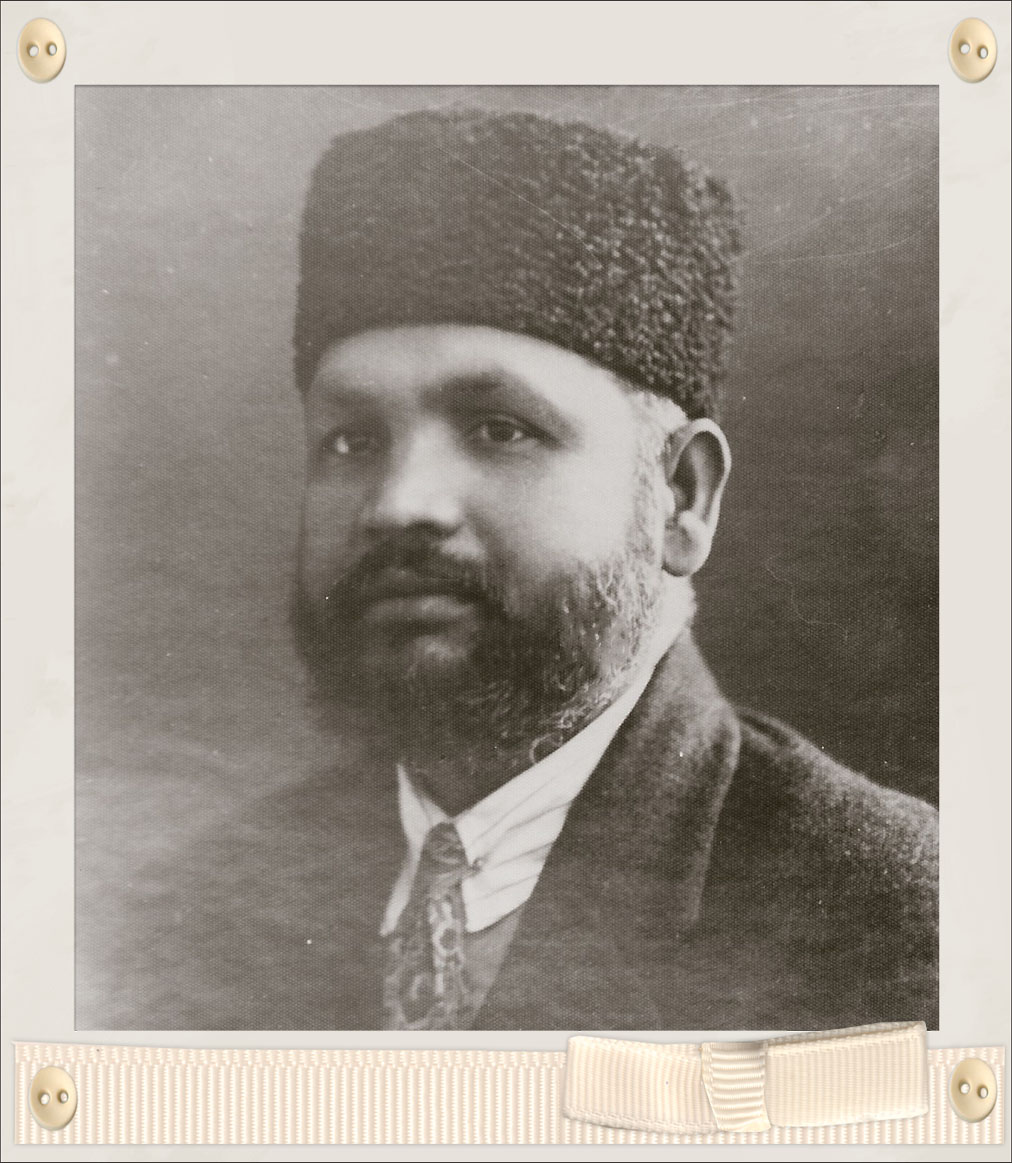
A PRISONER’S LOT – HOW TO IMPROVE IT (PART 3)

MIANWALI JAIL – THE ANDAMAN OF THE PUNJAB
FOOD AND TREATMENT—BENGAL DETENUES
WHAT the Andaman is to the common prisoner of India, Mianwali is to the political prisoner of the Punjab. Mianwali is not an island, of course, but for all practical purposes, it is as good as an island. Cut off from the rest of the ”civilised” world by vast forbidding tracts of sand, it is an ideal place, from the Government’s point of view, for a State prisoner. In a place like Lahore where people take interest in public affairs, any maltreatment of a political prisoner might, leak out of prison walls and boom the next morning under sensational headlines in the columns of the daily papers. But Mianwali is a perfectly ” safe ” place in that respect. A rural town in an extreme corner of the Province, with very little of education and much less in the way of awakening, there are no risks of such unpleasant public agitation on account of a political prisoner. Thus, it is that Mianwali has acquired the position of State-convicts’ settlement.
It was my fortune to spend the last three months of my term in this historical jail of the Punjab. I went there with the worst of expectations. I had seen life in the two the capital of the Province – the Borstal Institution and the Central jail, run by two senior most men of the Department, as Superintendents. And Mianwali was after all a district jail, away from the headquarters and for the matter of that from the watchful eyes of higher authorities. I had apprehensions that things must naturally be much worse off in that far-off place of exile.
My first impression, however, as the iron-gate of Mianwali prison was flung open to me, was nothing short of a surprise to me. I was struck by the general neatness and tidiness of the various wards and roads as I strolled along to the quarter prepared for me. In this respect, this new habitation impressed me as decidedly superior to the one I had left the day before – viz the Central Jail, Lahore, though it could not match the elegance of the Borstal. But neatness and tidiness are things that should count the least in adjudging the relative merits or demerits of various jails. There is plenty of manual labour at hand within prison-walls and neatness is only a question of a few additional prisoners furnished with the broom.
The Prisoner’s Swaraj (independence)
What does count for the prisoner’s point of and what should count from the humanitarian point of view is, first and foremost, the quality and quantity of food supplied. Bread and bhaji is the problem of problems in jail. Mahatma Gandhi may fight for Swaraj as the highest ideal worthy of a man’s dignity, but for a poor prisoner there is no ideal higher than good bread and bhaji. That is his Swaraj . Let not those who have been fortunate never to experience life within those walls, deride this humble ambition. It is all a question of viewpoint. There are those—and quite respectable men when in the outer world—who simply die for such petty luxuries as a piece of gur or the stump of a cigarette or a crumb of a house cooked bread. And what is good bread? The bread that has the least quantity of dust mixed up with it and is baked on both sides. As a rule, a goodly portion of the prisoner’s rations goes to the Jail Official`s pockets or private use and this is made up for by the admixture of dust. The result is not only bread bad to eat but bread without much of nutrition. Day by day, the poor convict sinks till by the time he is released, he is reduced to a bare skeleton. Previously the evil existed on a much larger scale. In Multan Jail, it is said, prisoners developed special diseases, found on post-mortem examination to be due to thick deposits of dust that choked the digestive system. Things have improved since, no doubt, but much remains to be done as yet. Adulteration is skill practised. Even this dust-flour bread is baked only on one side. The bhaji consists of dal in the morning and some vegetables in the evening. To choose the lesser evil the prisoners prefer the former. The so-called vegetables are only the stumps and thick foliage chopped into no finer pieces than the fodder served to a horse or a cow. The real thing, the flower, goes mainly to the table of the Jail Officials and their friends and relations whom they want to oblige.
Home Standard
I must confess, I had actually to rub my eyes when I first looked at the bread and bhaji at Mianwali. It was almost an approach to home standard of food and no wonder there was a general feeling of satisfaction among the prisoners on this head. Of the three jails that I have seen, I can say that to Mianwali must go the credit of supplying the best food. Borstal was the worst in this respect and Central Jail just tolerable. I need hardly add – for it is a secret too open to need any telling – that the quality of food should serve as a norm to test the honesty or otherwise of the jail establishment.
Jean-valjeans
Next to food comes the question of treatment. As a rule the prisoner, the moment he crosses the grated-gates of the prison ceases to be a human being – first in the eyes of the Jail Officials and gradually in his own eyes. Jails as at present run are so many factories to manufacture Jean-valjeans. As a prisoner goes in, be does so as a man full of remorse. As he comes out, he does so as a confirmed criminal. Jail life, the treatment he receives, divests him of nobler instincts of humanity and he comes out only to find his way back there.
THE LIGHT – JULY 26, 1928 M.Y.Khan
(To be continued)