A PRISONER’S LOT – HOW TO IMPROVE IT PART 2

In my last I tried to show that in the little world within the prison-walls, the Superintendent and the Jailor are all in all. The Jail Manual may be the law of the jail in theory but in practice it is a word from the lips of either of these two officials that constitutes the law. In this despotic power lies the root cause of the whole trouble. Previously the evil used to be much greater. In the District Jails the Civil Surgeon of the District was also supposed to act as Superintendent. He could hardly spare much time or attention from his busy programme as a District Officer. The result was that the destiny of the prisoner was in the hand of one man, the Jailor. He was the monarch of all he surveyed, and this absolute power made things very hot for the poor prisoner. Realizing this, the Government very wisely introduced the system of whole-time Superintendents. This means some check on the Jailor and the consequent amelioration in the prisoner’s lot.
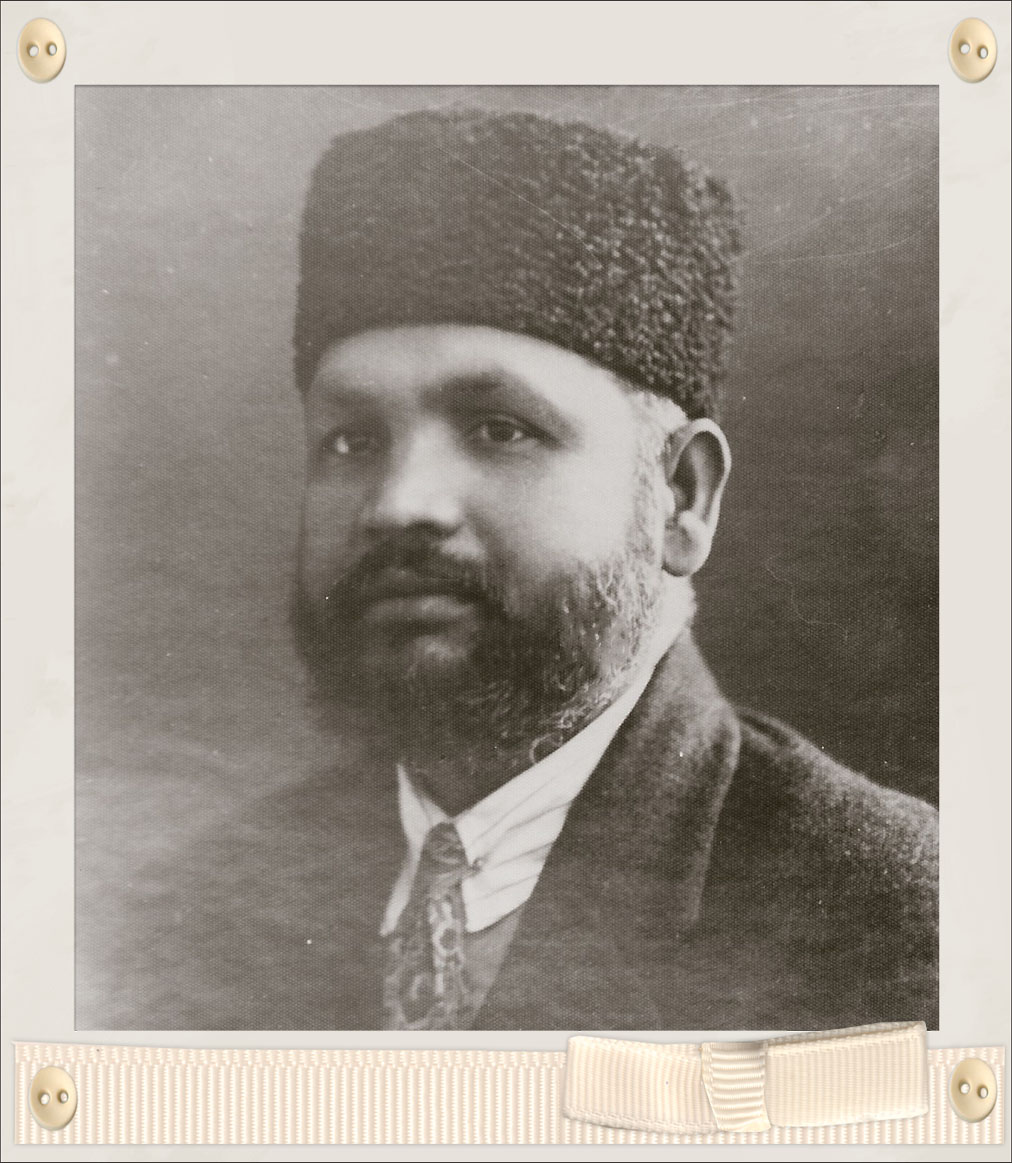
Major Chopra
My only point is to show that nine-tenths of the prisoner’s troubles would be no more, should these two officials be recruited from the better class people—better educated and brought up to ideals of humanitarianism and fellow-feeling. Ideal conditions prevail only in a jail where both the Superintendent, and the Jailor are men of the right stamp. But even with a thoroughly good Superintendent, the Jailor has quite a good bit of margin left to himself. It is not difficult for him to carry on his own game of pinpricks and persecutions, though on a limited scale. As an instance of this sort of thing I cannot do better than mention the Central Jail, Lahore. I believe the Superintendent Major P. D. Chopra is quite a nice man. At least, this is how he impressed me. A man of education, he has much of the polish of manners, and I must say his cheerful talk whenever he visited our special ward took away much of the gloom of jail life. Once or twice one of my companions got an attack of colic and I cannot but admire the Major’s prompt attention and assistance. Of his treatment to the common prisoner, my information is based mostly on hearsay and that too, I must say, goes to his credit. Nevertheless, surrounded as he was by assistants of the common lower brand much of his influence for good was neutralized. These underlings count a good deal. In spite of a good Superintendent, they can make life very hard for a prisoner on their own account. In this connection I would relate an incident that illustrates how this typical mentality of the lower order of jail officials manifests itself notwithstanding a good Superintendent.
Taunts and Threats
On arrival into the Central Jail, we were naturally anxious to know how things stood there. We talked about it to a fellow inmate of the Special Ward, a young Hindu gentleman of most amicable manners. He had been there before us for some time and had by that time got into the know of things. He told us many things as to the ill-treatment of the Jailor. But, frankly, we were inclined to put it down to his own youthful temperament rather than anything really wrong with the Jailor. He told us that in addition to many a minor pinprick, the Jailor had even threatened him that he could give him caning. Now this was simply atrocious. The Youngman I speak of is a graduate and the editor of a paper. I could hardly believe my ears when I was told that he had actually got such a threat from the Jailor and that too, not because he had done anything against the jail discipline, but simply to assert his own powers. This was decidedly most uncalled-for. The Youngman was a man of education. He was a special class prisoner and as such entitled to treatment with due respect to his dignity. Even a common prisoner could not justly be given any such taunts and threats. I simply could not believe it and was inclined to think that our friend had perhaps misunderstood him.
A ”Tamasha”
But the disillusionment was not long to come. One day about the evening we had come out of our Ward – myself and the young Editor – and were pacing up and down in the chakkar just outside our ward door. The rest of the prisoners were also back from their daily work and assembled in their respective yards opening on the same chakkar. Just at that time there came in the Jailor from the other end. We exchanged salutations and as he approached us he quietly told us, ”Let me show you a tamasha. Just see how I terrorize these warders on duty here and forthwith he burst out at the top of his stentorian voice. ”Why have you let these men come out of their ward?” – he roared and roared till the convict population all rushed to their grated doors to see the spectacle. A tamasha indeed! Was not he as good as his word? He gave us or rather made us into a regular tamasha.
Jail Logic
The next day we protested against this. ”If you wanted us not to have the luxury of coming out of our four walls these few yards, you should at least have told us so. Your thundering may have struck terror into the hearts of the convicts, but we consider it a wanton insult to ourselves. You had no right to object to what you had never warned us against.”Insult?” exclaimed the Jailor. ”I certainly meant no insult to you. I just warned my own warder. I addressed not a word to you, nor had I any right to do so. I had never told you not to come out, nor do I forbid you now. I have only asked the warder not to let you come out and as such I was right in shouting at him.” This piece of logic was more amusing than the tamasha itself. We were free to come out but the warder keeping watch over us had orders not to let us out! When the excitement caused by this outburst was over, for long after, the tamasha and the novel logic provided us with moments of innocent fun and amusement.
Mianwali
In my next I will tell of Mianwali Jail where to my mind, the Superintendent and the Jailor were both men of the right stamp and show what a world of difference the personnel of the Jail Staff make to the lot of a prisoner.
M.Y. KHAN
The Light – July 19, 1928