A Nation of Warriors
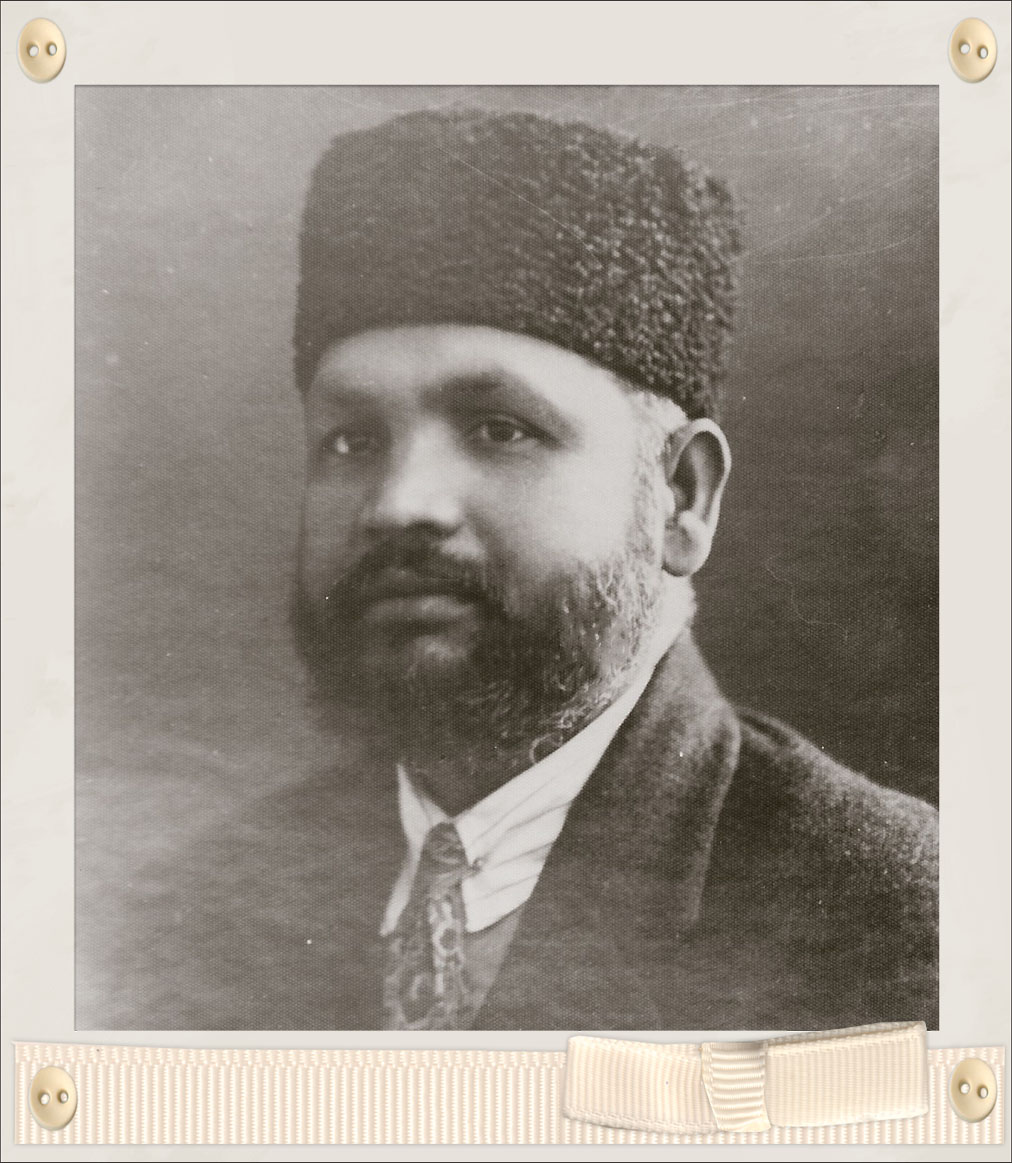
Mohammad Yaqub Khan
Editor The Light
Pandit Jawaharlal wonders where lies the difference between the culture of Islam and the culture of Hinduism, except in certain external superficial forms of dress or toilet. Let him ponder over one great phenomenon of Islam which is just now before us and he will realize that the difference goes much deeper than he seems to imagine.What is that phenomenon? Everyone of the millions of adult mouths in the world of Islam are just now shut! Not a particle of food or drink shall pass through these millions of mouths between early dawn and sunset. And this for one long month!
Can the great Pandit see nothing in this wonderful phenomenon? A whole nation of men and women voluntarily shutting their mouths against all the delicacies of the world which are otherwise perfectly lawful to enjoy? Unlike many of the Pandit´s Lunger-strikers who freely help themselves to sweets and fruits as soon the jailer´s back is turned on them, these millions of fasting men and women of Islam would not wet their parched throats with a wee-drop of water behind the thickest veil of secrecy! Cannot the Pandit see the wonderful force behind all this?
What is that force? It is the force of Jihad—that is, the spirit of warfare that Islam inculcates. Islam does not conceive of man but as a great warrior, engaged in a perpetual warfare. The highest conception of virtue in Islam is summed up in the word Jihad, incessant, relentless war against the forces of evil, a war on everything that is low, sordid and base.That war, however, must begin with one´s own self. Of all Jihad, the greatest Jihad is the one against the low propensities of man’s own self, the conquest of the flesh. It is called Jihad-i-Akbar. And just now the millions of the sons and daughters of Islam are engaged in that greatest of all wars, war of self-conquest.Abstinence from food and drink, however, is just the outer theatre of that war. The Muslim is expected to carry the war to the inmost depths of his soul. If not a particle of food shall pass through a Muslim´s mouth, not a particle of anything mean and unworthy shall enter the portals of his soul. He must guard the citadel of his soul and give a manly battle to the forces of evil at whatever gate they attack it – the gate of thought, of word or deed.
A man of Pandit Jawaharlal´s intellectual calibre should be able to realize that difference in ideals leads to a corresponding divergence between two peoples in their outlooks on life and their ways of life. Ideals are like so many moulds into which those who hold them are imperceptibly cast. Islam, with Jihad as its highest ideal, gives quite a different stamp to a Muslim´s personality. He is supposed to be a warrior to fight against all that is low, mean, unjust and inhuman. He is supposed to be the policeman of God on earth to see that nothing but righteousness should reign in the world, to see that man shall not oppress fellow-man, to secure equality and fair-play for the whole of mankind. In practice the Musalman may have to a great extent forgotten this great mission of his sojourn on this planet. But that undoubtedly is what mould Islam would give him. Islam expects him to be ever in armour to fight the battles of Humanity, of Right, of Truth and of Justice.
Obviously, there is some difference between the culture of Islam and Hinduism. Hinduism in the days of the great Sri Krishna who taught this self-same lesson of Jihad on the field of Kurukshetra was nothing different to Islam. But Hinduism of the present day has fixed the gaze of man on the petty, sordid gains of the earth, to the utter neglect of the higher and broader humanitarian ideals. Even Jawaharlal who avows to have nothing to do with religion has not been able to escape this legacy of latter-day Hinduism and seriously tells India that bread is the sole and the whole of her problem, that culture and religion which stand for the higher conception of life do not matter, as a matter of fact do not even exist. The great Mahatmaji himself notwithstanding, has not been able to out-grow the smallness of the early mould of Hindu culture into which he was cast. The future historian alone would be in a position to adjudge how often the banja in him, the product of the Hindu culture, got the better of the Mahatma in him at many a critical conjuncture in India´s onward march of freedom and thwarted that very cause for which he has been fighting. At times he is prepared to offer a blank cheque to the Musalmans and when the banja in him reasserts itself he quietly pockets the cheque. The difference between the two cultures is best illustrated by a comparison of the original Gandhi with the Frontier Gandhi. Whereas in the mind of the Mahatma, the one thing which he cannot get rid of even on occasions most momentous is:” Do I stand to gain by this or to lose?”, the motto with his Frontier name-sake – rather Frontier misnomer – is: “I am just a soldier and must carry out orders.” The idea of gain and loss never enters his mind. The one is quite typical of the Hindu culture, the other of the Muslim. This difference in outlook is due entirely to the different cultural background of each. The Hindu culture stands for the love of money and has naturally given birth to what may generally be called a nation of shopkeepers. Islamic culture is rooted in ultra-mundane ideals and has given rise to a nation of warriors.
To the Musalman, however, we have to say – Do you also realize this great mission of your life, this essence of your faith and culture, this significance of the institution of fasting which you are just now observing? If not, you must! It is no use starving; for shorn of this realization, fasting is but starvation. A Musalman is born to be a warrior and a conqueror. That is the great destiny before him laid by the hand of God Himself. Here in India you are under a double yoke – the British yoke and the Hindu yoke. The one supreme goal before you must be to throw off both these yokes. A Musalam cannot both be a Musalman and a camp-follower.This is the true significance of the war of fasting we have in this month of Ramazan declared on the forces of evil within ourselves. It is a training, a preparation to tone up our martial muscles for the larger battle of emancipation from the chains of economic, political and cultural bondage which it is attempted to put on us.
Mohd.Yaqub Khan
(Editor: The Light – November 8, 1937)